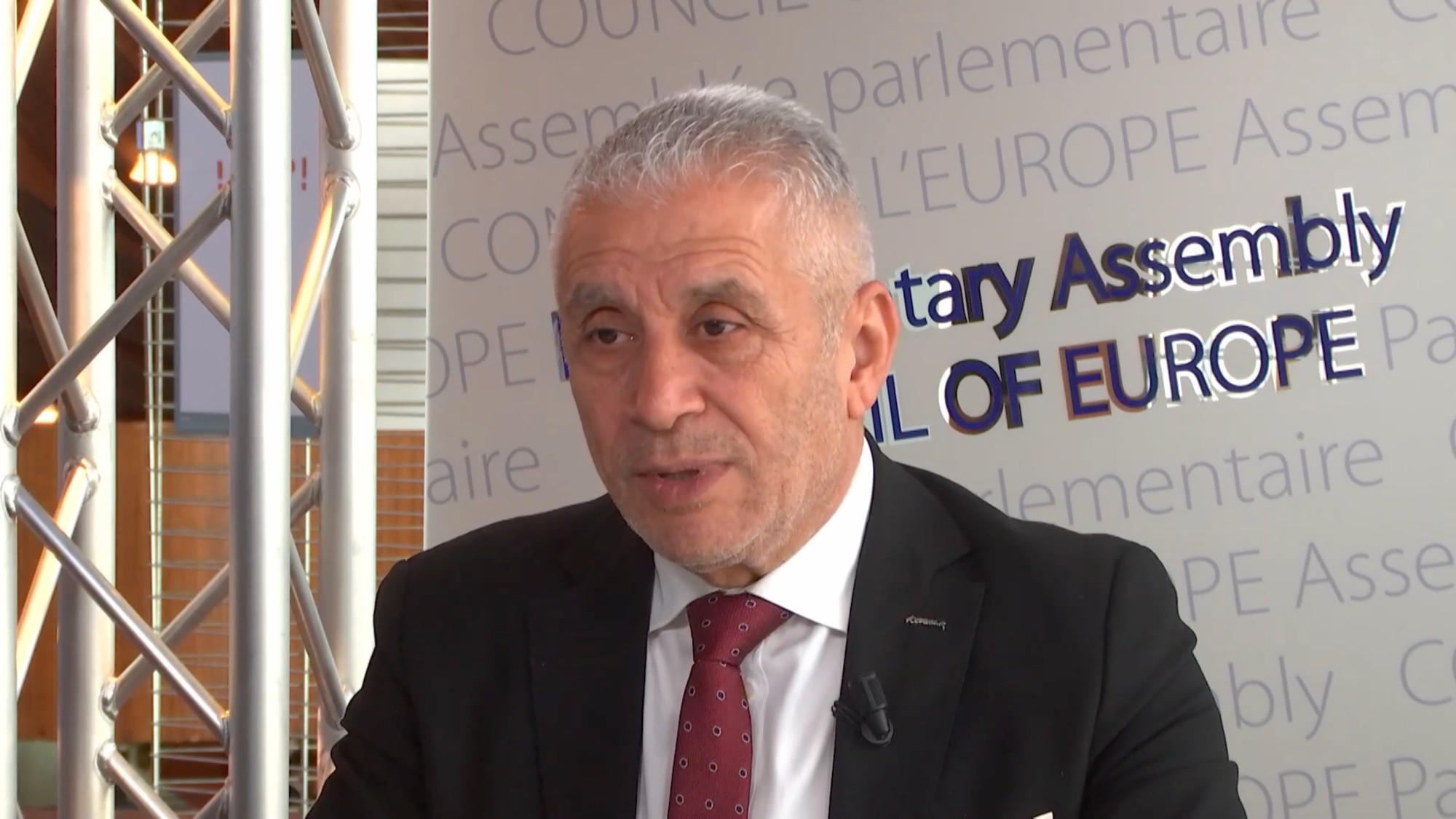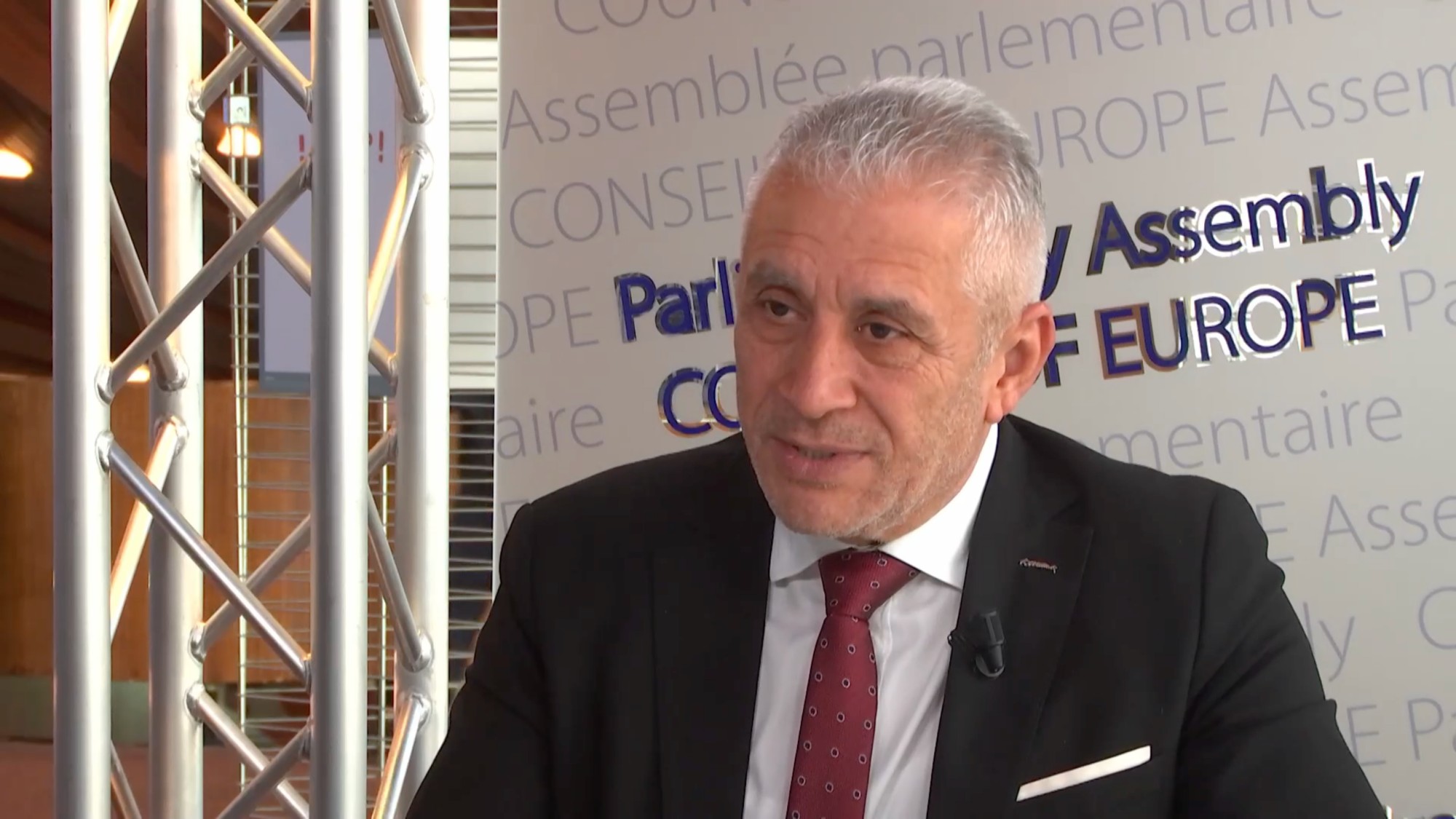
Within the framework of the spring session of the Parliamentary Assembly of the Council of Europe (PACE), held in Strasbourg, France, important political issues concerning the region continue to be discussed. The session stands out with debates on security, cooperation, and international relations across Europe.
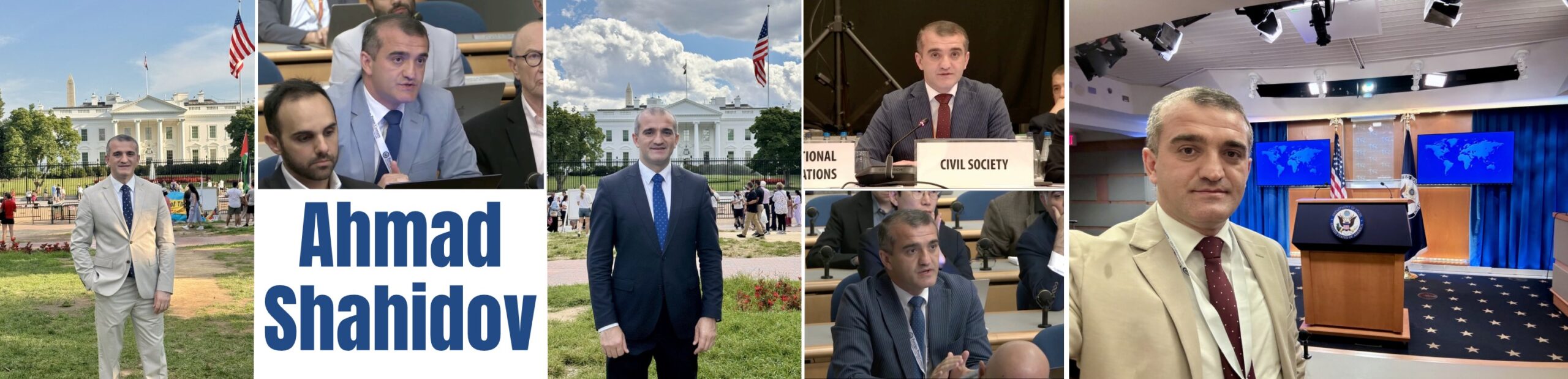
During the session, journalist and human rights defender Ahmad Shahidov conducted an interview with Hasan Taçoy, a Member of Parliament of the Turkish Republic of Northern Cyprus (TRNC) and former Minister of Foreign Affairs. As a member of the TRNC delegation to PACE, Taçoy is known as an experienced political figure with a long-standing role in shaping his country’s foreign policy.
The future of the TRNC and the issue of international recognition were among the key topics of the interview. Hasan Taçoy stated that the TRNC has been struggling for recognition for many years and is represented on several European platforms, including PACE. He noted that although there is a right to representation in the European Parliament, it is effectively restricted by the Greek Cypriot side. According to Taçoy, under current realities, a two-state solution is the most realistic option.
The discussion also highlighted that the approach of the European Union and the Council of Europe towards the TRNC is not fair. Taçoy emphasized that this approach must change and that the rights of the Turkish Cypriot people should be recognized internationally. He also underlined that relations between Türkiye and the TRNC are of vital and strategic importance, stressing Türkiye’s role as a guarantor state and noting that bilateral ties are strengthening day by day.
The role of the Organization of Turkic States and Azerbaijan–TRNC relations were also discussed. Hasan Taçoy described the organization as an important platform for the TRNC and said that its participation is a significant step toward international recognition. He noted the growing ties with Azerbaijan and expressed hope that Azerbaijan may officially recognize the TRNC in the future, potentially encouraging other Turkic states to take similar steps.