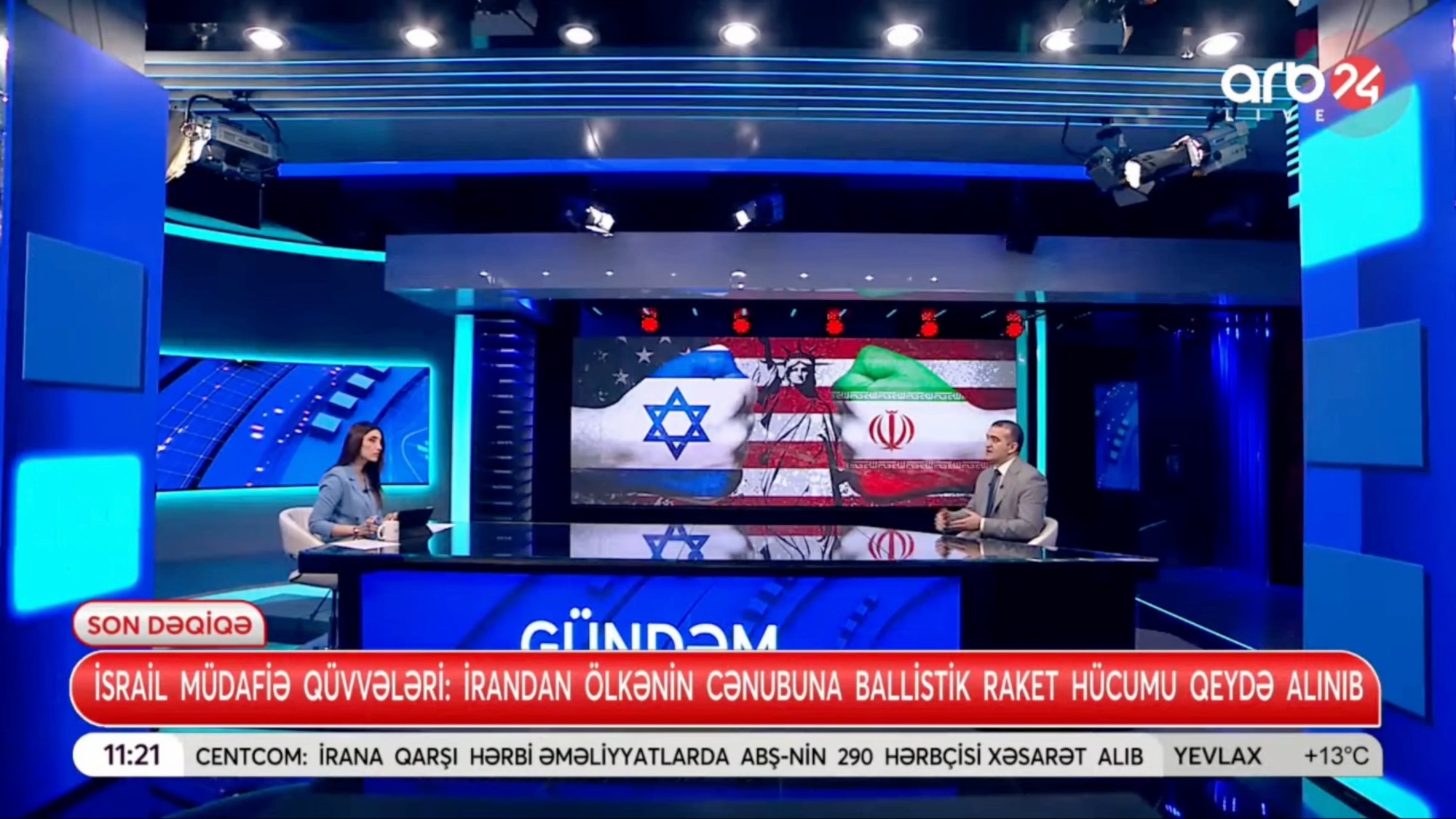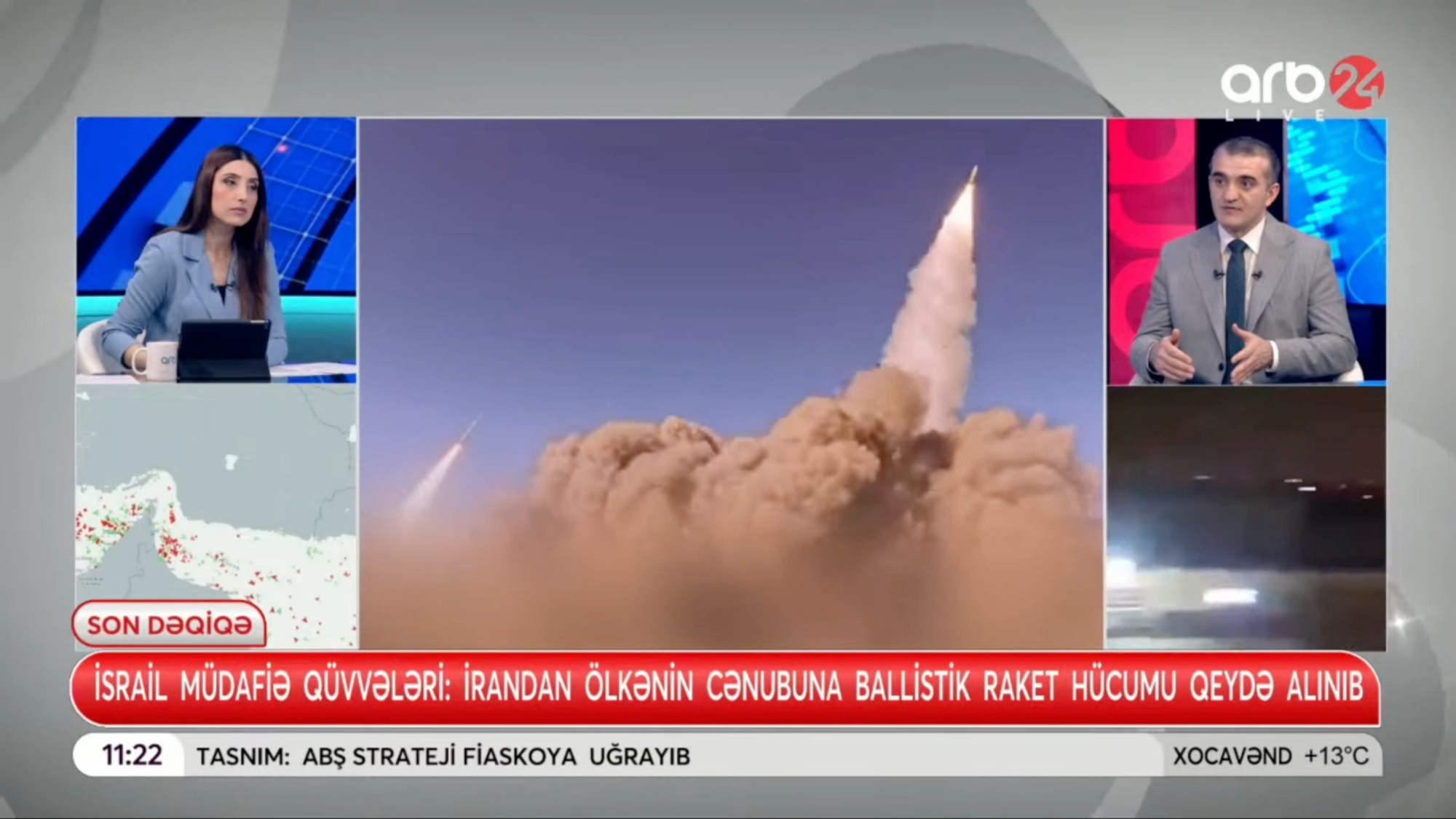
The ongoing military confrontation between the United States, Israel, and Iran has entered its 27th day, with regional tensions reaching a peak. As of March 25, the situation remains complex, with continued exchanges of strikes between the parties. A possible meeting between the U.S. and Iran is expected on March 26, though it remains uncertain. U.S. President Donald Trump has announced a 15-point set of conditions, while Iran is demanding the lifting of sanctions and concrete security guarantees. Meanwhile, the IRGC leadership has rejected the idea of negotiations, emphasizing that the war will continue. The risks surrounding the Strait of Hormuz are also causing serious concern in global energy markets.
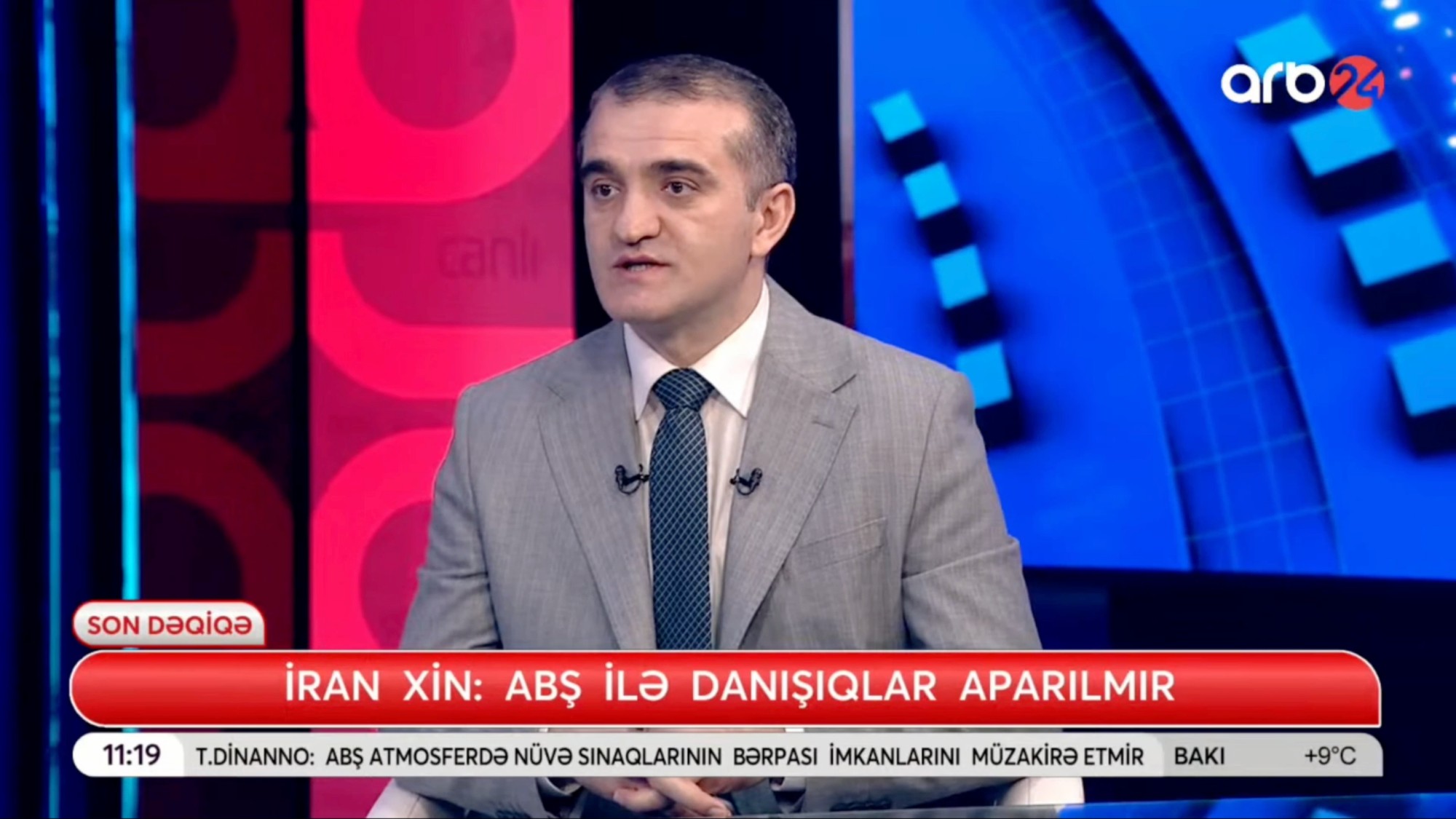
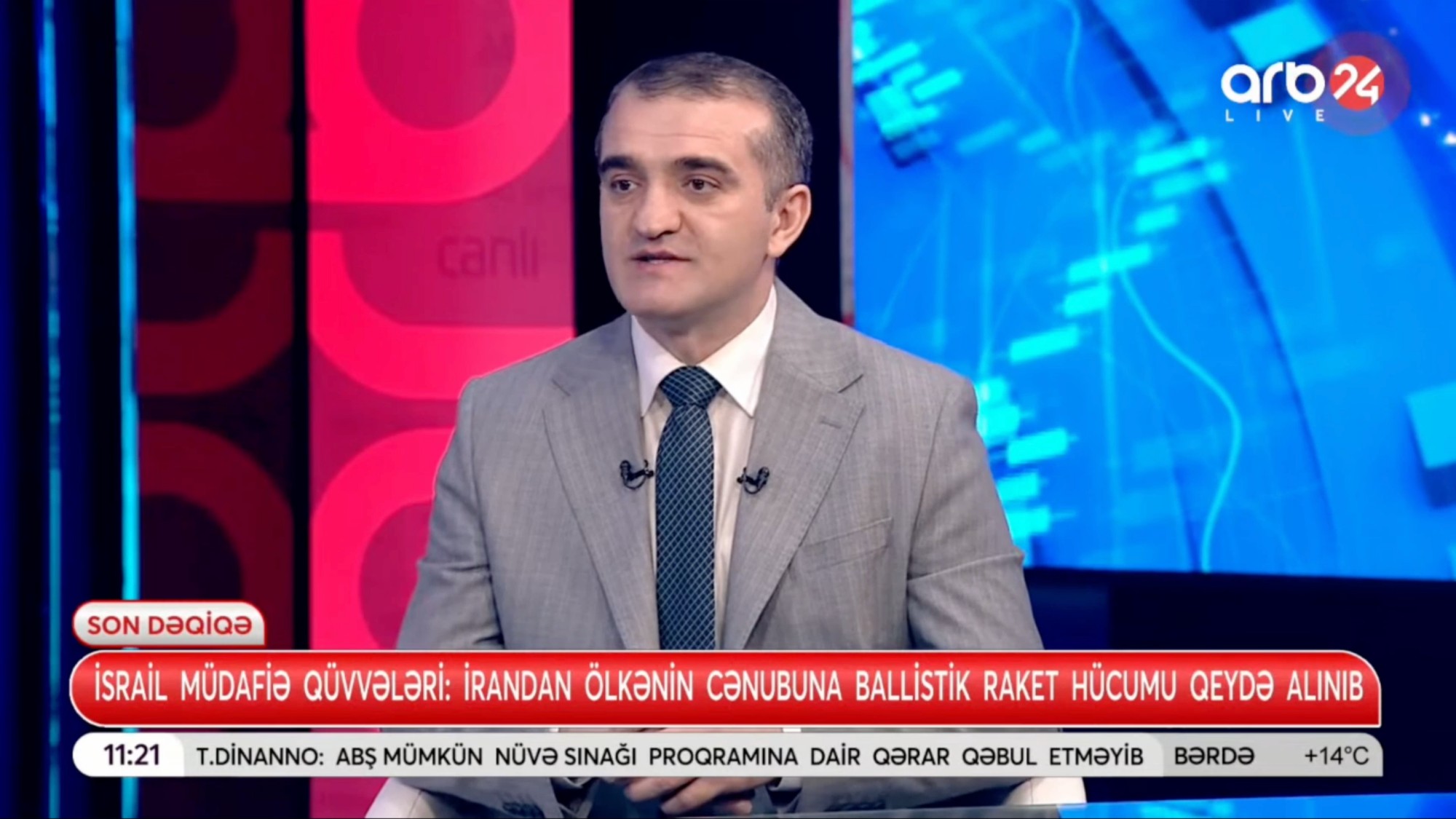
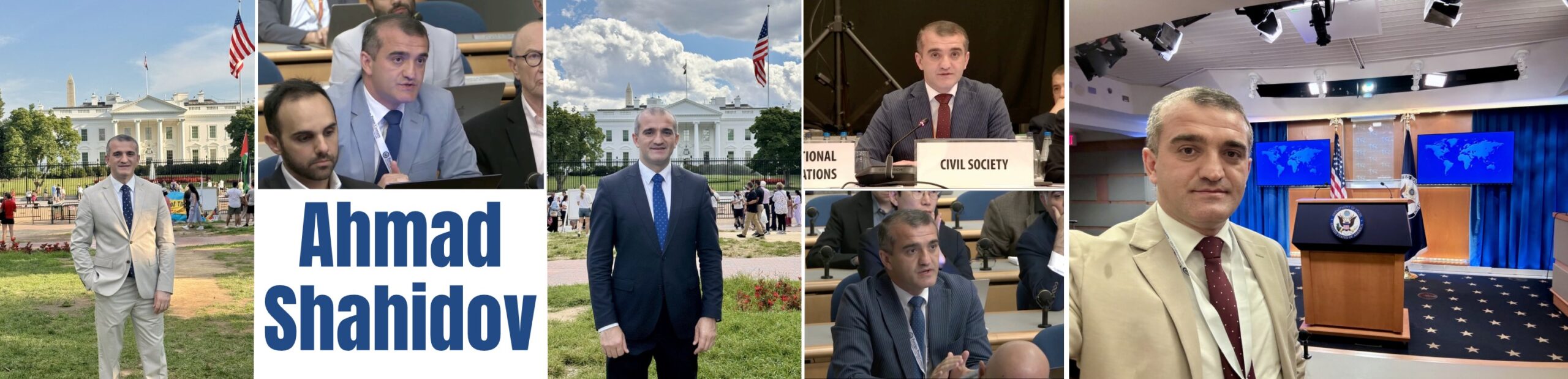
Political analyst Ahmad Shahidov stated in an interview with ARB24 Television that previous negotiations in Oman and Geneva failed to yield results, and Israel’s unexpected strikes have significantly undermined Iran’s trust in diplomacy: “Iran views such meetings as a trap. Therefore, Tehran seeks an agreement that preserves its dignity and is based on real guarantees. This includes firm commitments that Iran will not face future military attacks, as well as the removal of imposed sanctions.”
Ahmad Shahidov emphasized that mediation is crucial under current circumstances and that Pakistan stands out as the most suitable and promising candidate: “Pakistan is a major Muslim country and a nuclear power, making it a key regional actor. At the same time, it maintains balanced relations with both the United States and Iran. These factors make Islamabad a credible mediator. I assess the chances of a near-term agreement as low, but Pakistan’s involvement in the process is a correct and promising step.”