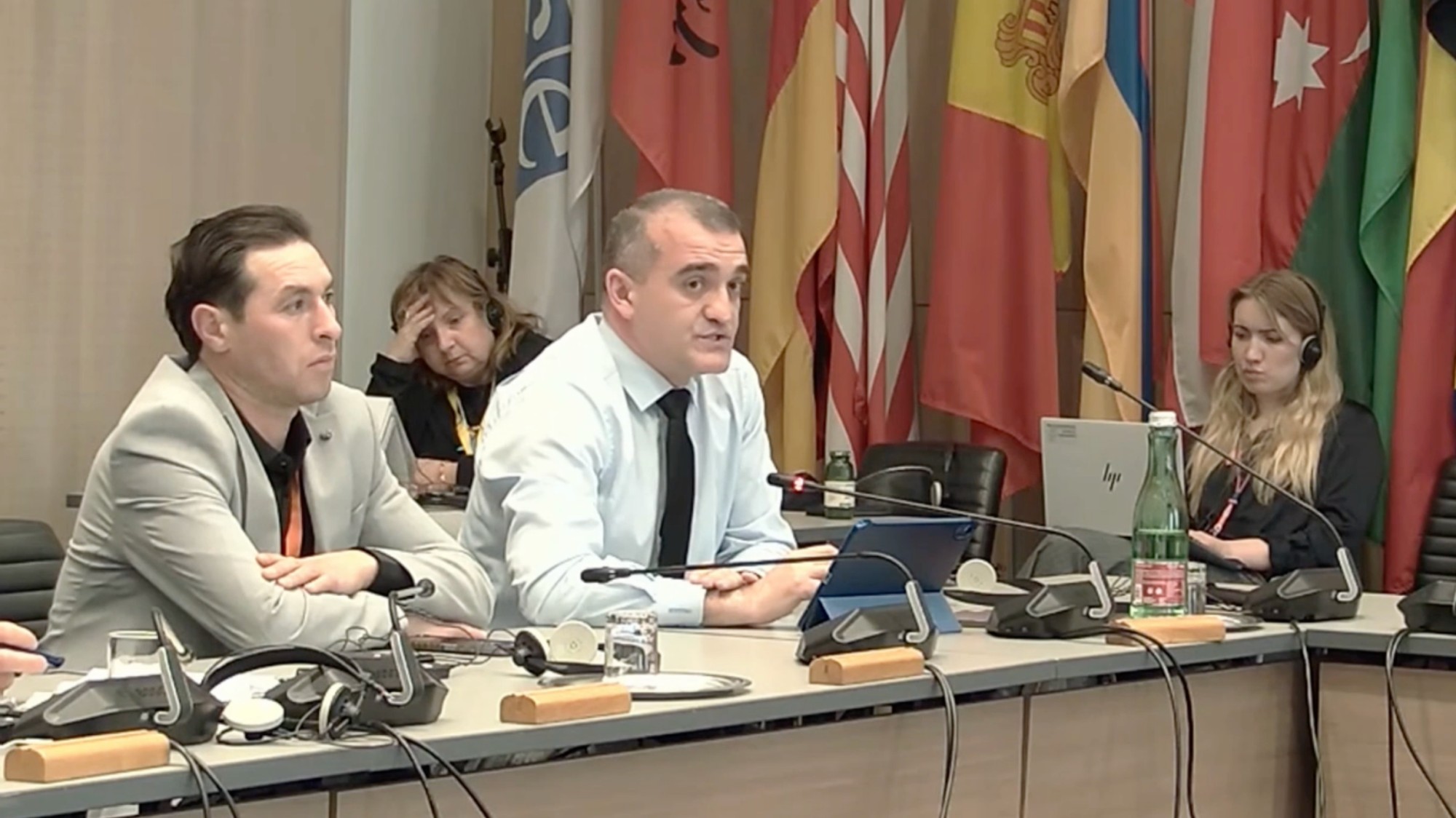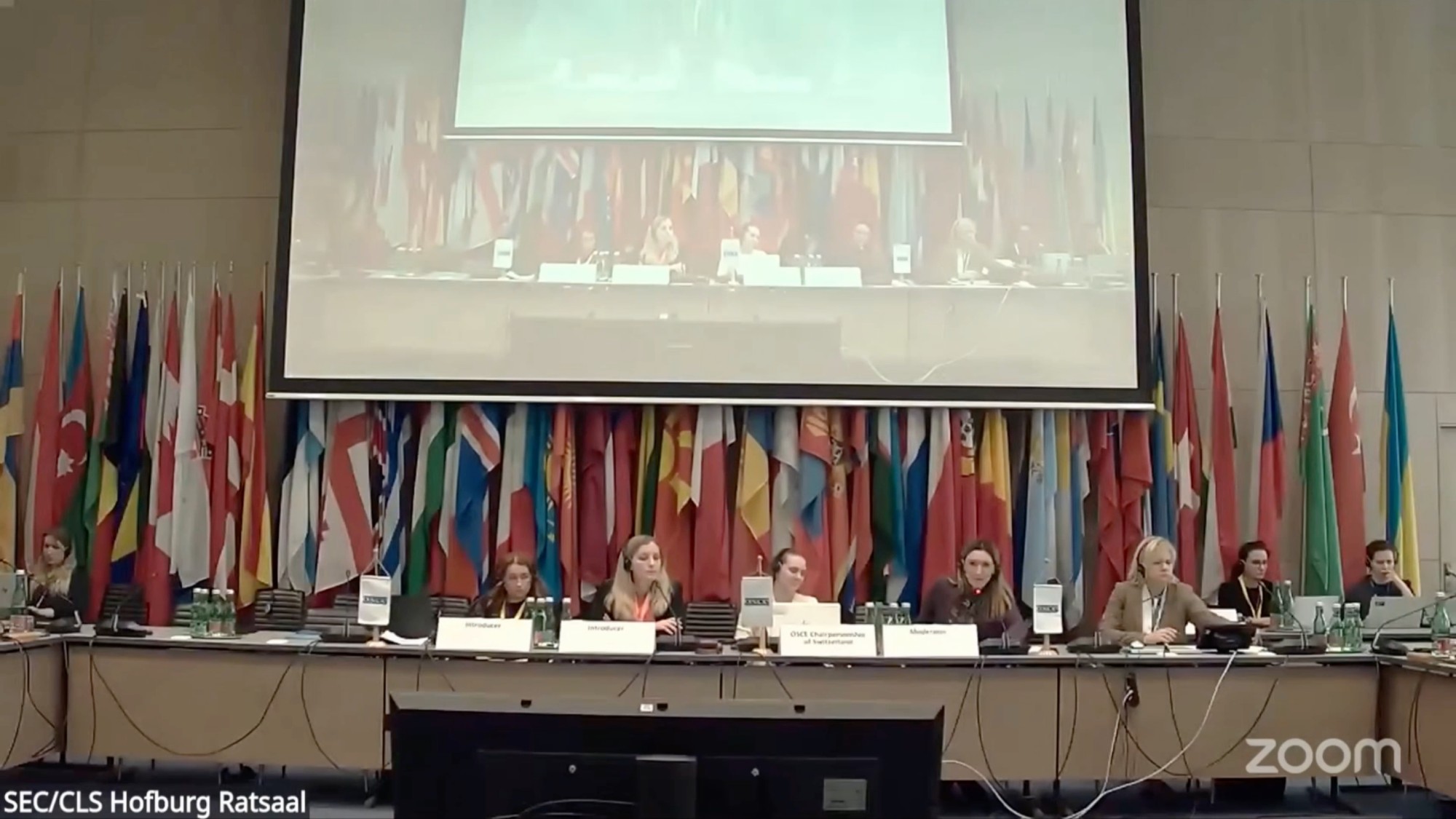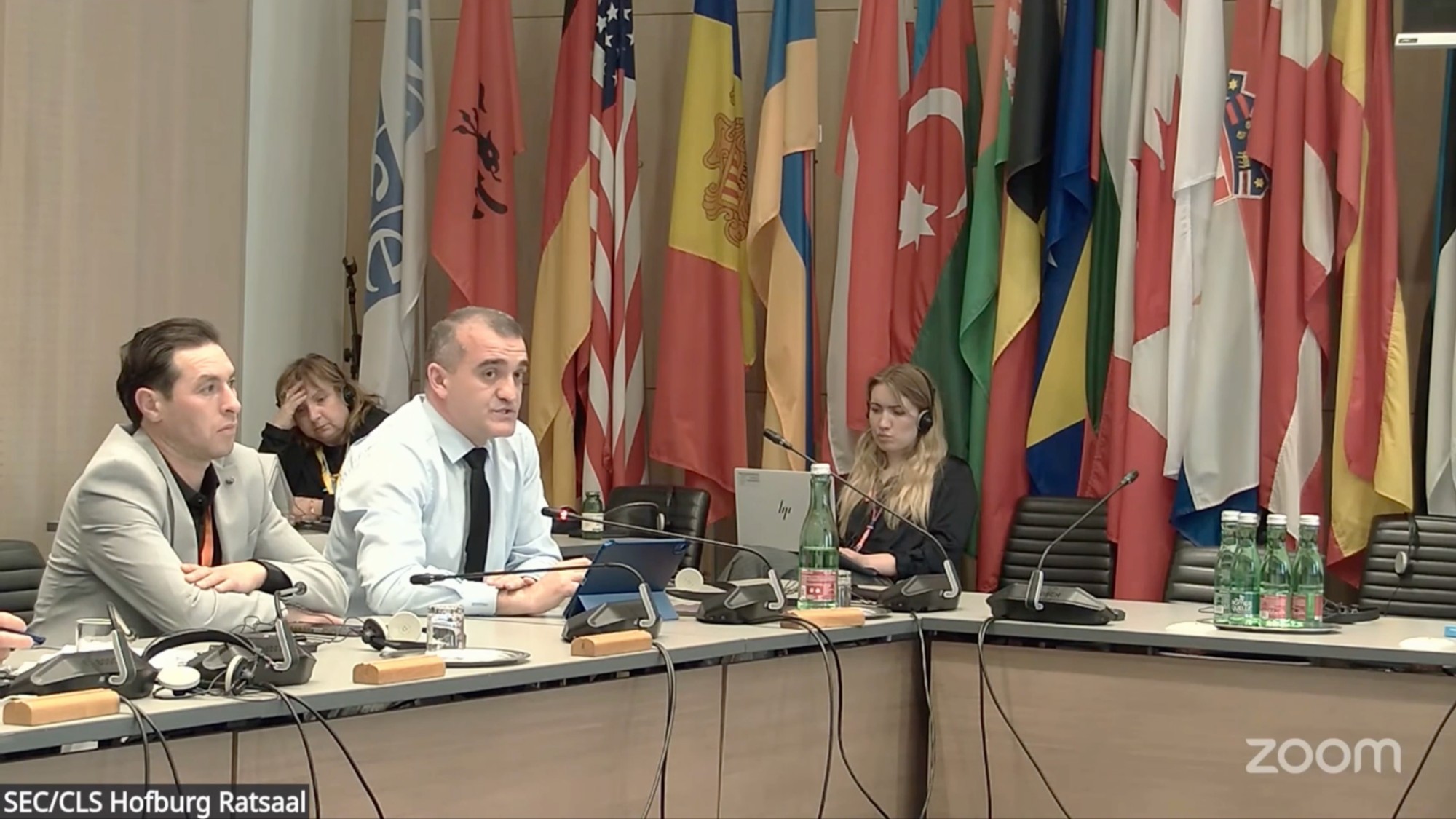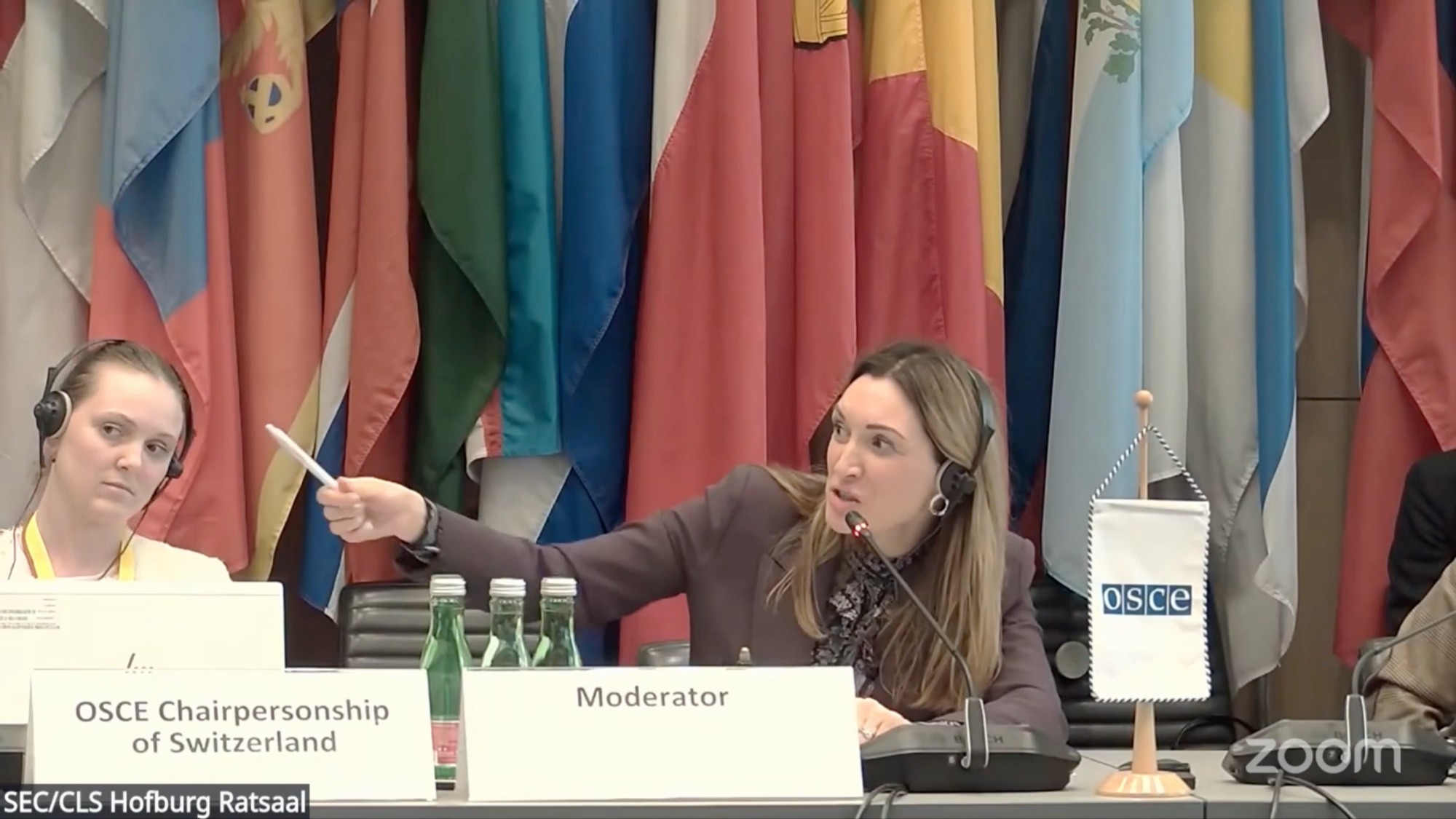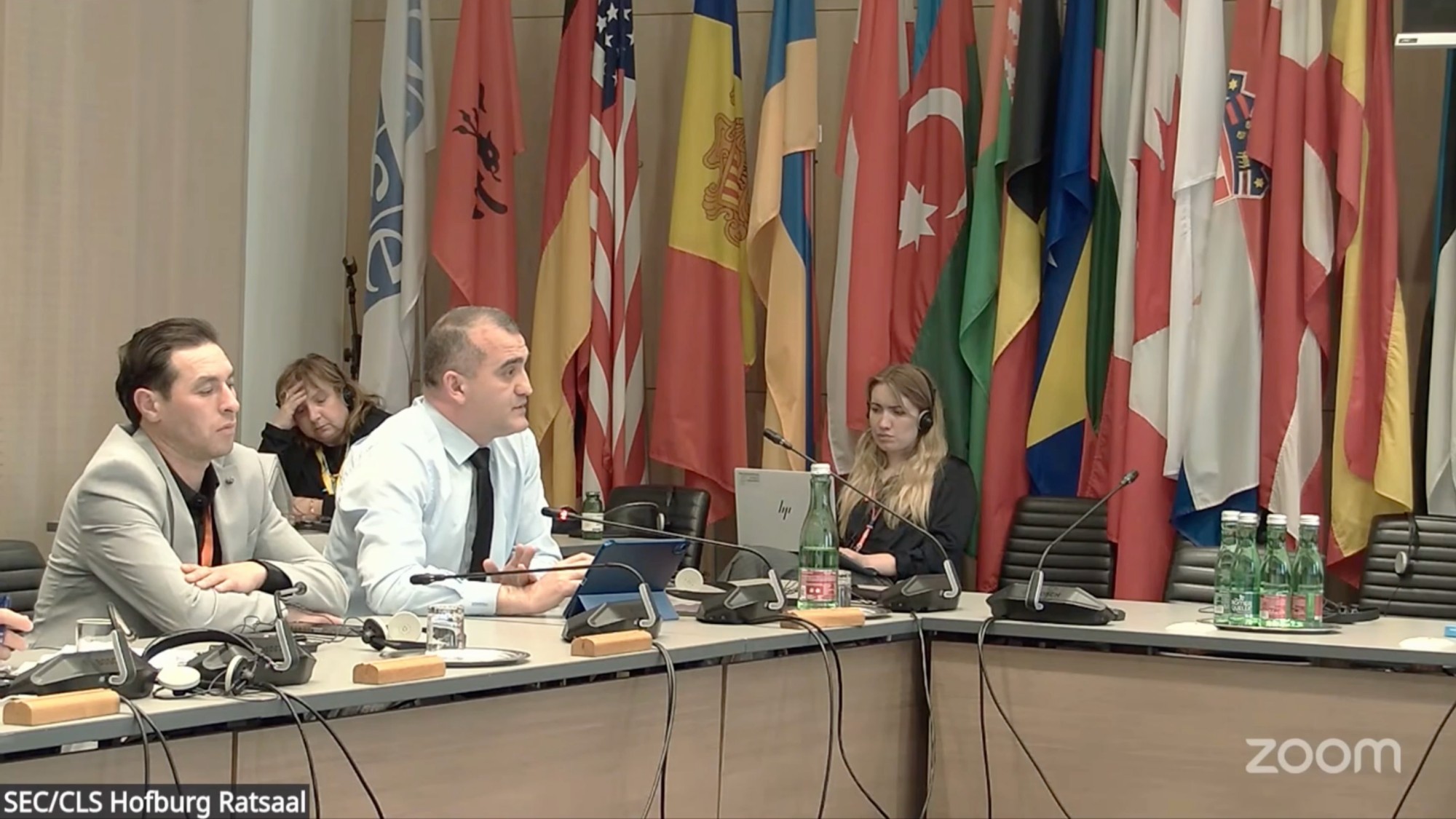
The OSCE Supplementary Human Dimension Meeting titled “Safeguarding Civic Space in the Digital Age” continues in Vienna, the capital of Austria. The high-level event, held on May 11-12, has brought together diplomats, human rights defenders, journalists, and representatives of international organizations from 57 OSCE participating States. Today, on May 12, 2026, the third panel session titled “Strengthening digital resilience for the protection of civic space” focused on digital security, artificial intelligence, and disinformation.
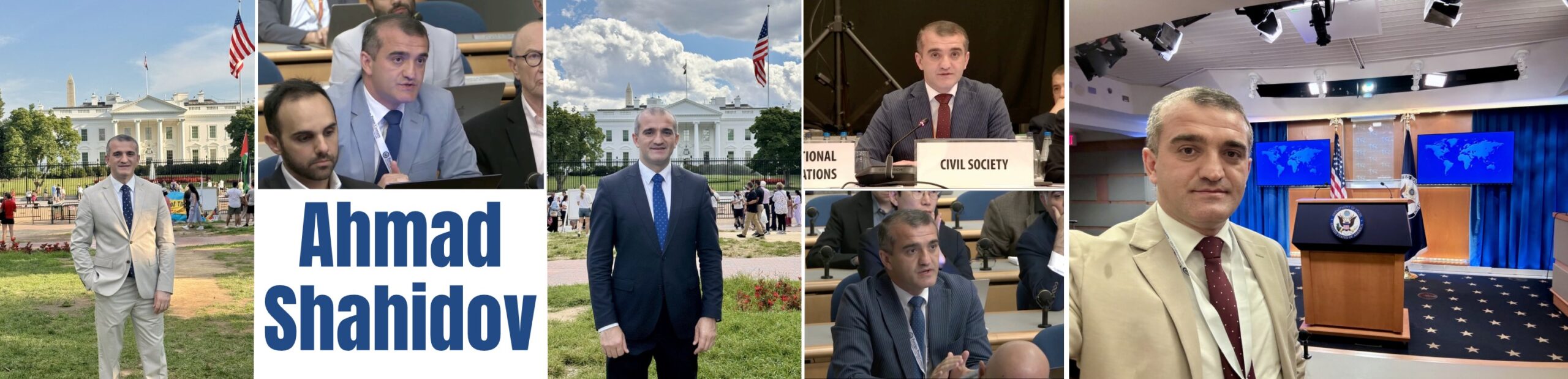
Speaking during the panel discussion, the head of the Azerbaijan Institute for Democracy and Human Rights, human rights defender Ahmad Shahidov, stated that international platforms usually criticize only governments and public officials, while respect for human rights should be demanded from all sides equally: “We — civil society activists, journalists, bloggers, and political activists — must also respect human dignity, privacy, and ethical principles.”
In his speech, Ahmad Shahidov emphasized the growing misuse of artificial intelligence and deepfake technologies in recent years. He noted that some Azerbaijani bloggers living abroad have gone beyond political criticism and are spreading fake photos, manipulated videos, and provocative materials created through artificial intelligence technologies. The human rights defender specifically mentioned Azerbaijani blogger Mehman Huseynov, who lives abroad, stating that through his “Hamam Times” platform he has been sharing deepfake content targeting the family members of Azerbaijani President Ilham Aliyev.
Ahmad Shahidov stressed that spreading AI-generated fake visual materials targeting the President’s family members cannot be considered journalism, human rights activity, or freedom of expression: “Political criticism is normal. But fake materials targeting people’s families, private lives, and children are digital humiliation and manipulation. What is even more concerning is that some international circles remain silent about these activities, and such individuals even receive certain donor support.”
At the end of his speech, Ahmad Shahidov addressed a question to the panel participants: “Where is the red line between freedom of expression and digital humiliation? Does such a boundary really exist?” The Azerbaijani human rights defender emphasized the importance of developing international legal and ethical mechanisms against deepfake technologies.