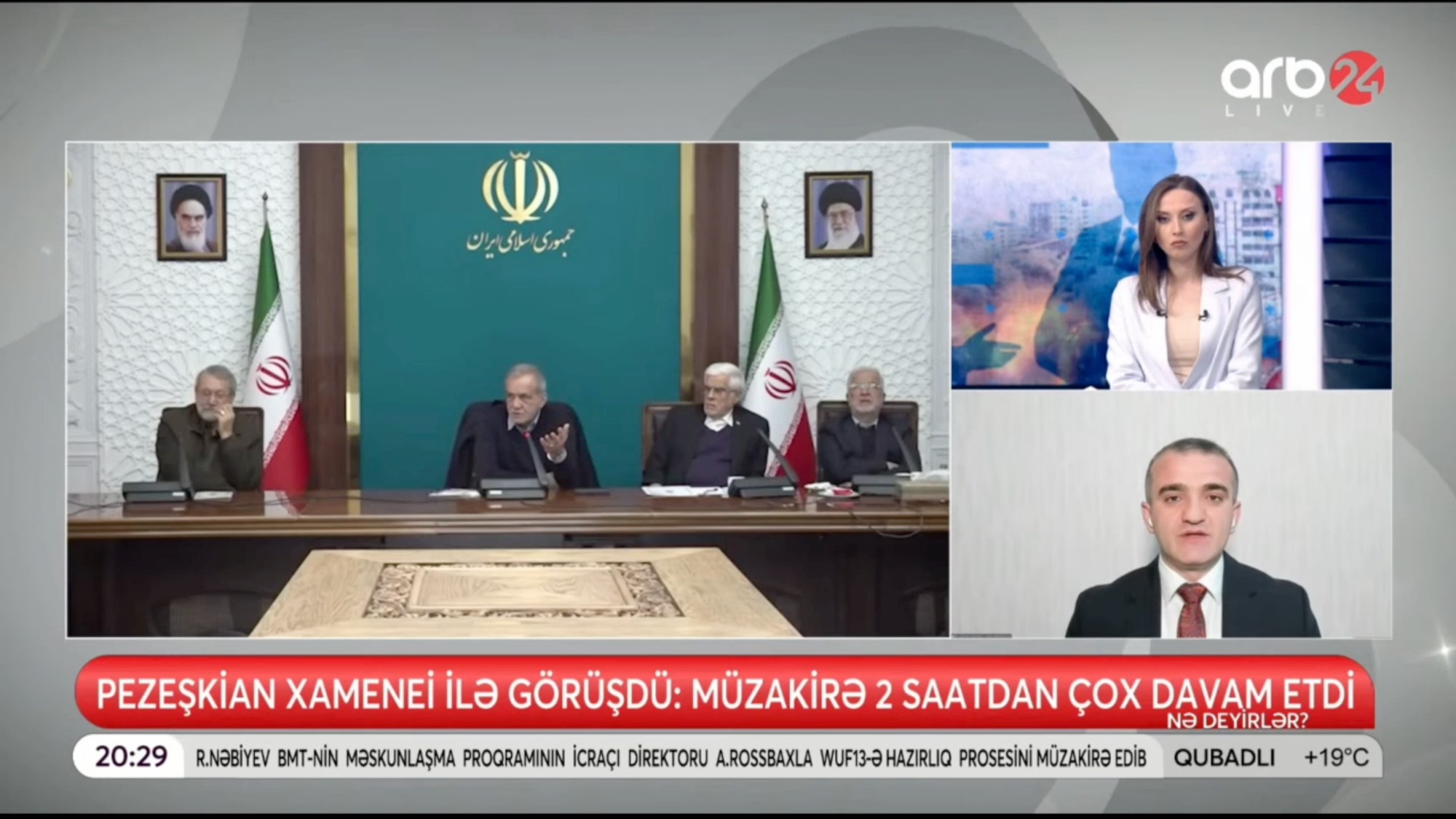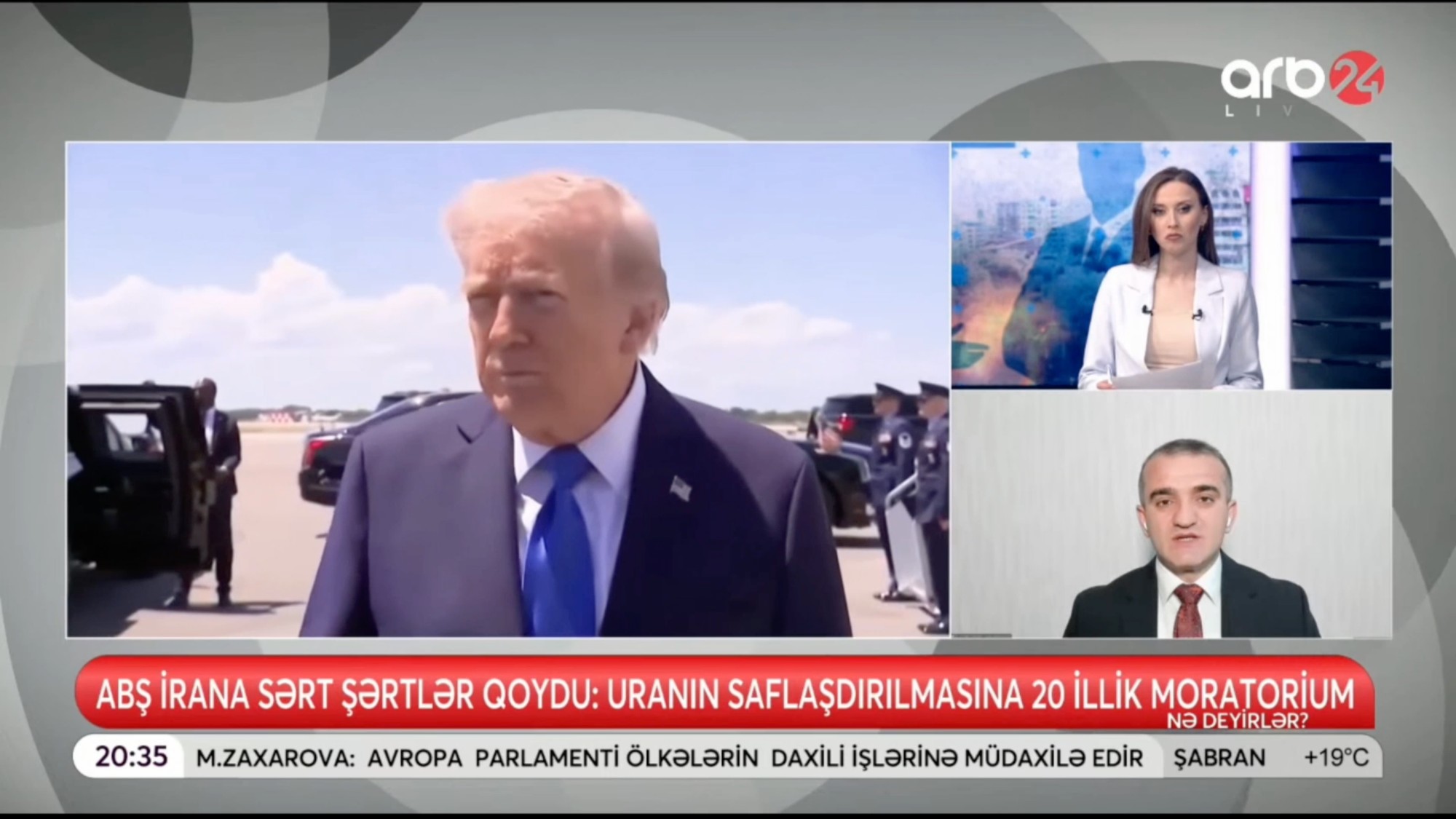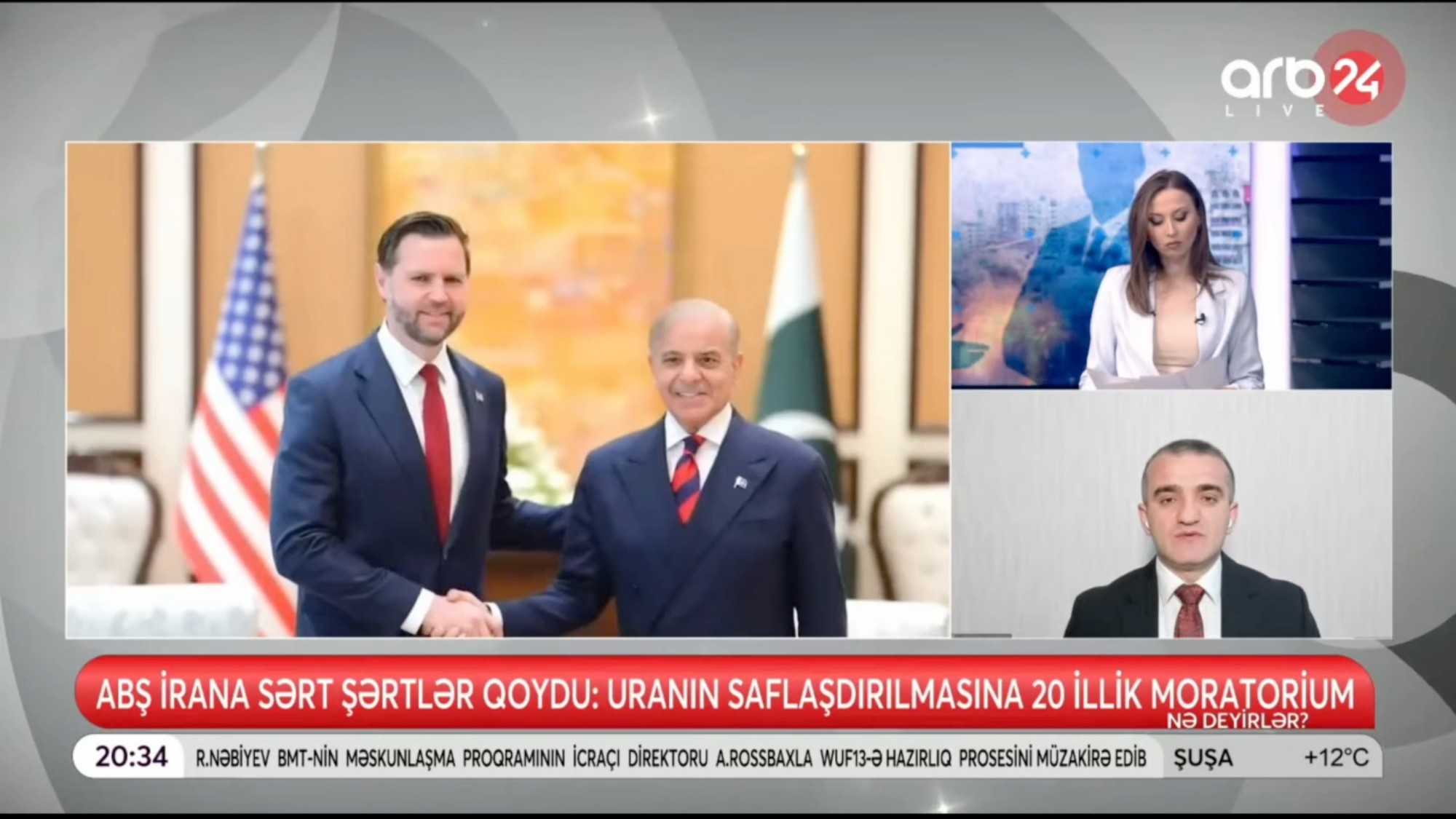
The two-and-a-half-hour meeting between Iranian President Masoud Pezeshkian and Iran’s Supreme Leader Ali Khamenei, along with parallel secret negotiations between Washington and Tehran, has become one of the main topics on the international agenda. According to Iranian media, the meeting focused on domestic stability, national unity, and strengthening coordination against external pressure. Meanwhile, Al Arabiya reported that the United States and Iran had reached a preliminary understanding on easing certain restrictions in exchange for the gradual reopening of the Strait of Hormuz. At the same time, The Wall Street Journal reported that Washington is demanding Tehran suspend uranium enrichment activities for 20 years.
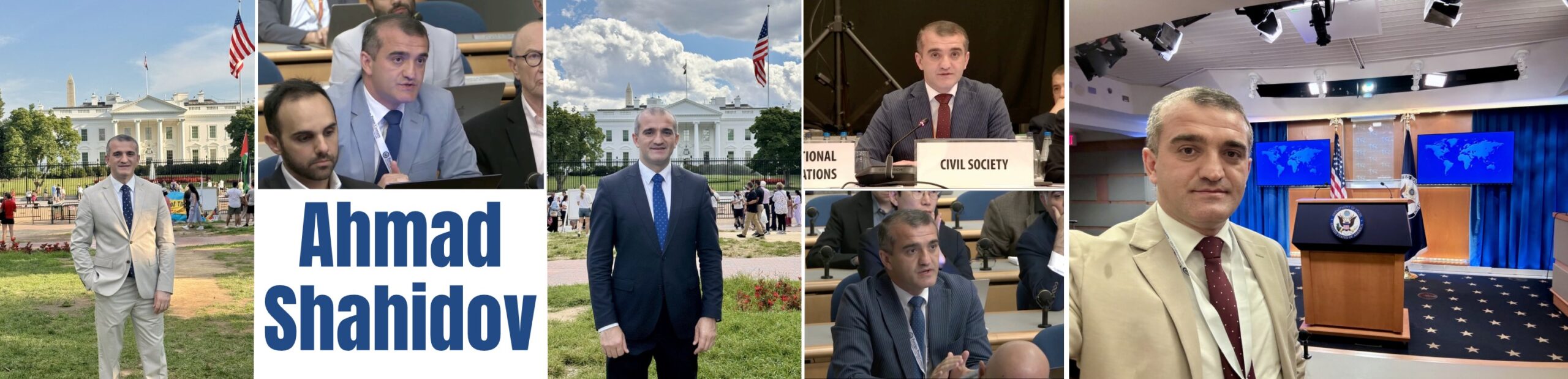
Political analyst Ahmad Shahidov stated in an interview with ARB24 TV that Pezeshkian’s remarks after the meeting with Khamenei were aimed at strengthening internal consolidation within the Iranian leadership: “The Iranian leadership understands that amid economic crisis, social dissatisfaction, and growing regional pressure, projecting internal unity is critically important. Pezeshkian’s emphasis on the Supreme Leader’s modesty, dialogue-oriented approach, and behavior was not accidental. This was a political message directed both at the domestic audience and the West. Tehran wants to demonstrate that there is no fragmentation within the ruling system and that the state apparatus remains fully under control.”
According to Ahmad Shahidov, although a comprehensive agreement between the United States and Iran does not appear imminent, both sides are trying to avoid a major military confrontation: “At this stage, the most realistic scenario is a limited agreement model. Iran may ensure security in the Strait of Hormuz, while the United States could ease certain economic and financial restrictions. However, Washington’s demands regarding the nuclear issue are extremely tough. Calls for dismantling facilities in Natanz, Fordow, and Isfahan are considered strategic red lines for Tehran. Therefore, although diplomatic contacts may intensify in the coming months, distrust between the two sides will persist, and the region will remain a center of geopolitical tension for a long time.”