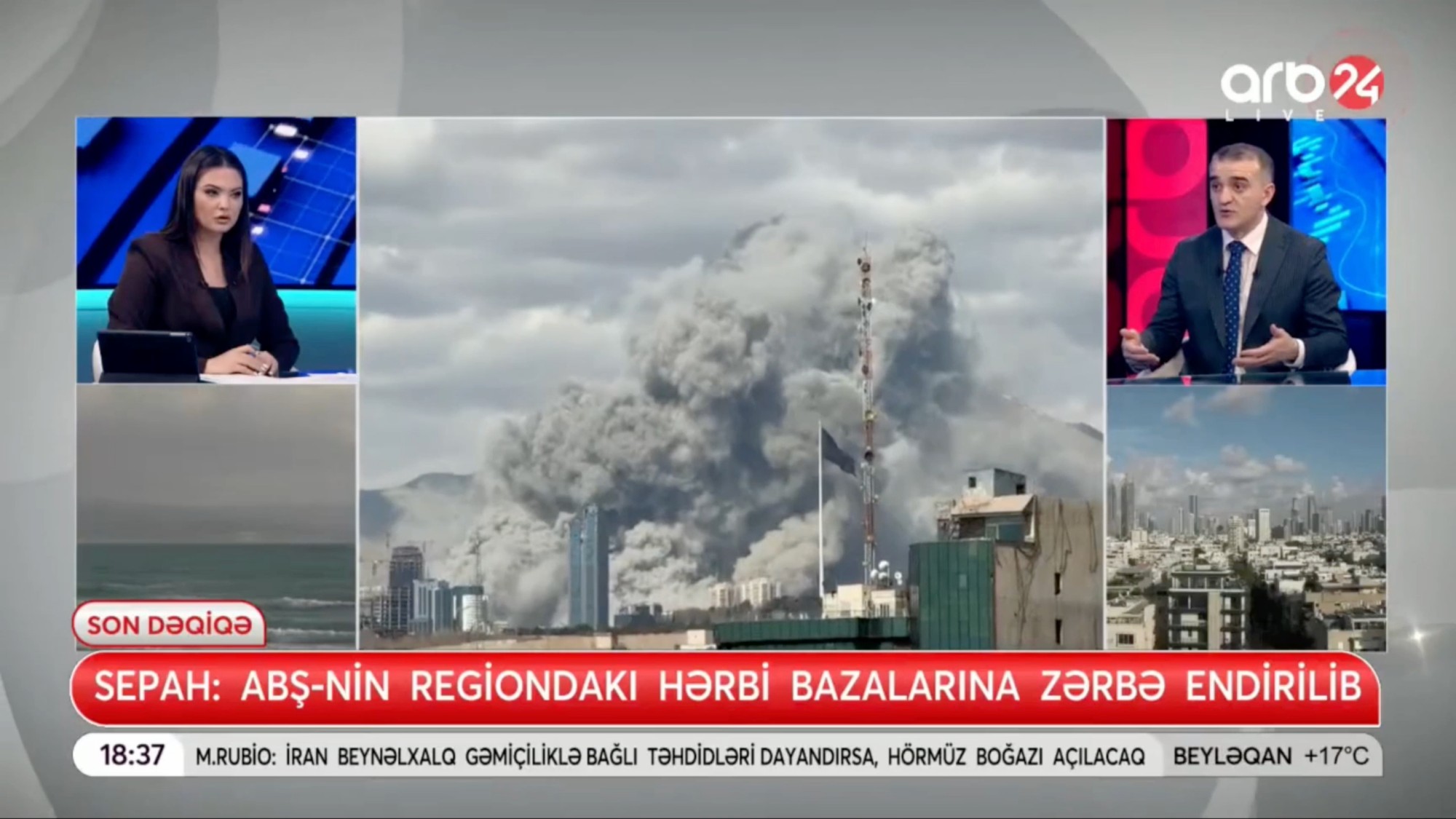
The military confrontation between the United States and Iran has now entered its second month, with failed negotiations further expanding the scope of the conflict. While U.S. and Israeli forces continue striking Iranian territory, Iran is responding with ballistic missile attacks targeting U.S. bases in the Gulf region and Israel. The continued closure of the Strait of Hormuz has created serious tensions in global energy markets, leaving hundreds of international cargo ships stranded in the area.
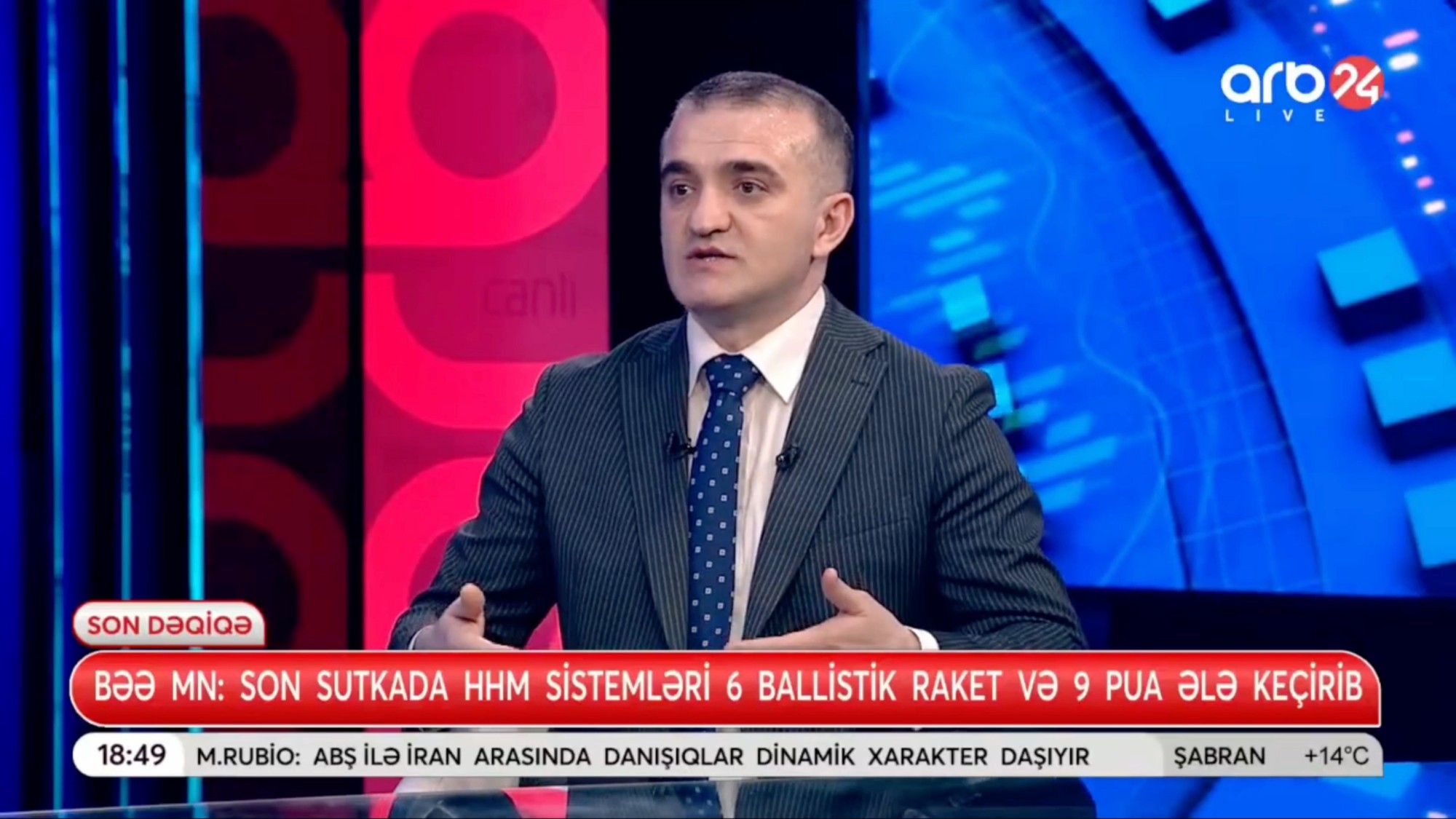
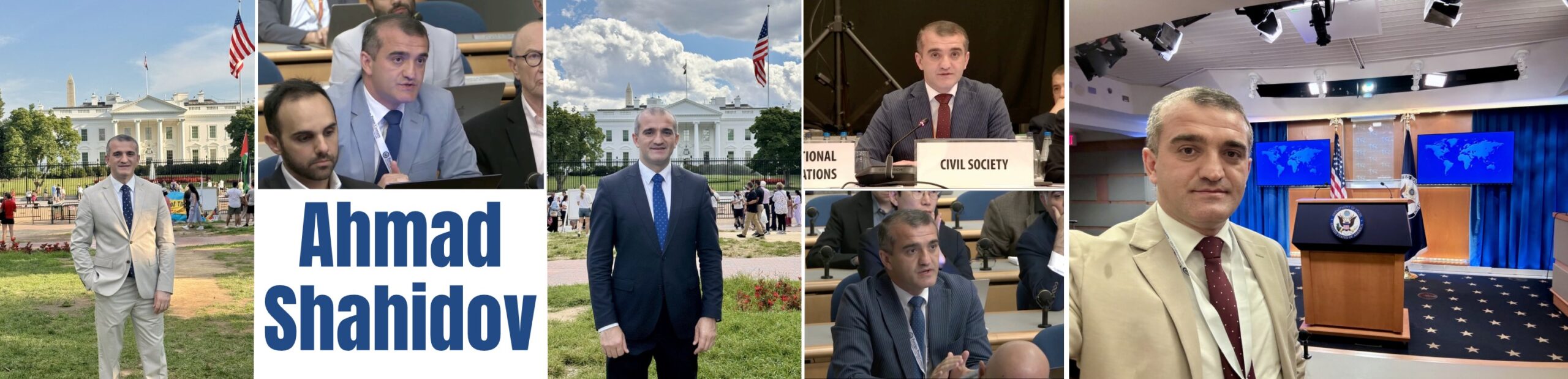
Speaking to ARB24 Television, political analyst Ahmad Shahidov stated that as the war drags on, its geography is expanding and more countries are being drawn into the conflict: “It is clear that despite heavy damage, Iran has preserved its resistance capacity and is even strengthening in certain areas. Support from China and Iran’s long-range ballistic missiles with a range of up to 4,000 kilometers pose additional risks for the region. Even if a ceasefire or agreement is reached today, Iran will present it as a victory and adopt a harsher foreign policy toward Gulf countries and the South Caucasus.”
Ahmad Shahidov also emphasized that uncertainty continues and a U.S. ground operation appears unlikely: “Launching a ground operation against a country like Iran, with a population of 90 million, would mean serious risks and heavy casualties for the United States. This could trigger strong public backlash within American society. Israel, on the other hand, is not interested in reaching a compromise under current conditions and seeks a decisive military victory. All these factors indicate that the war will not end soon and may evolve into a broader regional conflict involving more countries.”