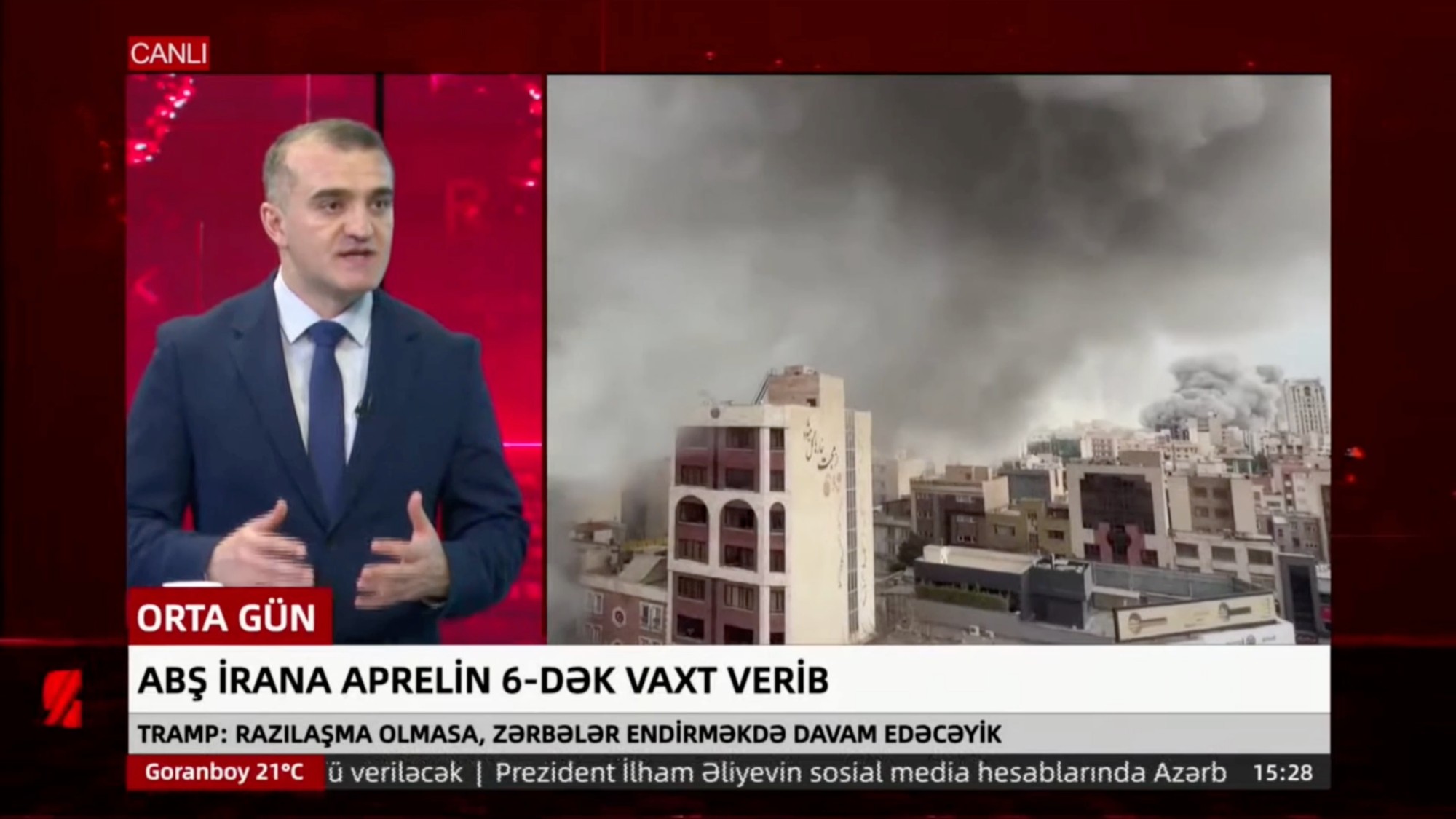
In recent days, military and political tensions around Iran have intensified, with growing focus on the security of the Strait of Hormuz and Iran’s control over key strategic islands. Abu Musa, Greater Tunb, Lesser Tunb, and Kharg islands hold significant military-strategic importance, and control over these islands effectively means control over the Strait of Hormuz. The possibility of U.S. ground operations and efforts to reopen the strait have become central issues on the international agenda.
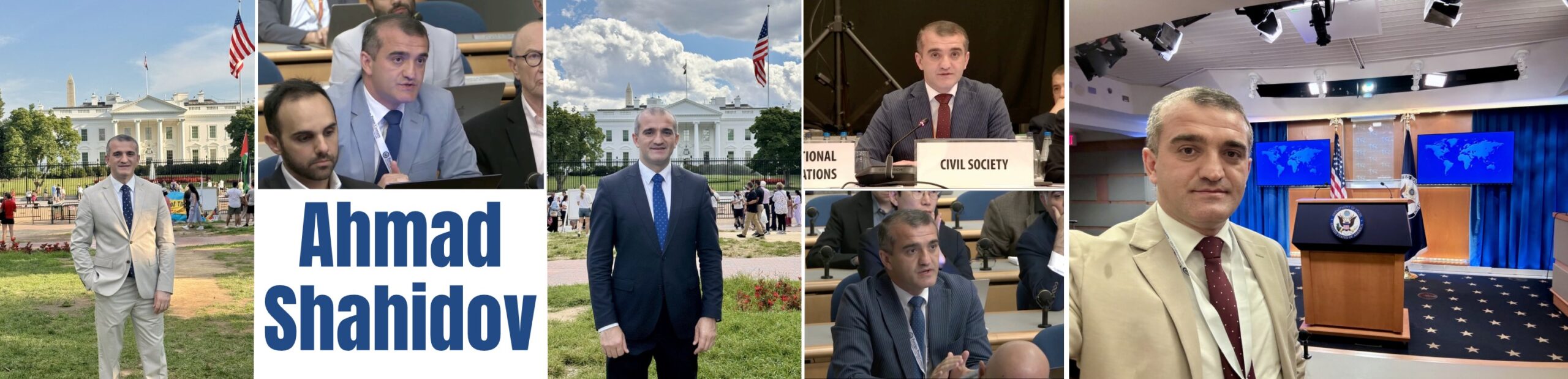
Political analyst Ahmad Shahidov stated on Real TV’s “Midday” program that U.S. objectives have shifted compared to the early days of the conflict: “Initially, regime change and the fragmentation of Iran were key goals. Today, however, the primary strategic objective is reopening the Strait of Hormuz. If Iran maintains control over the strait, it will expand its influence not only regionally but globally. Moreover, the reported $2 million transit fee per vessel creates serious risks for global energy markets. The United States cannot accept such a form of dominance.”
Ahmad Shahidov added that Washington is now considering both diplomatic and military options: “If negotiations fail, the U.S. may move toward ground operations to take control of strategic islands. Abu Musa, Greater Tunb, and Lesser Tunb are critical for controlling the Strait of Hormuz. Whoever controls these islands effectively controls the global energy flow. Donald Trump has set a deadline until April 6, and if no agreement is reached, ground operations may become inevitable. However, this will not be easy for the U.S., especially as Israel has stated it will not participate in ground operations. In such a scenario, the U.S. may rely solely on elite forces such as Delta Force and the Marines, which is already fueling domestic unrest and protests against President Donald Trump.”