Amid rising tensions around Iran in the Middle East, attention is increasingly focused on the security and future of the Strait of Hormuz. Iran-controlled islands such as Abu Musa, Greater Tunb, Lesser Tunb, and Kharg hold significant military-strategic importance, and control over these islands effectively means control over the strait. In this context, U.S. actions in the region appear to be increasingly directed toward ensuring the reopening of this vital passage.
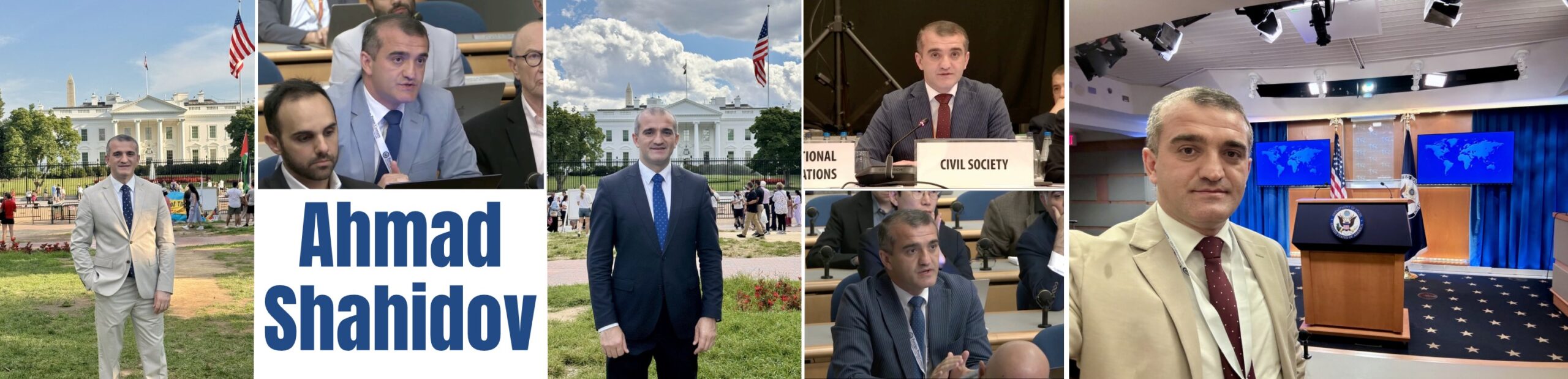
Political analyst Ahmad Shahidov told ARB24 Television that Washington’s priorities have shifted and that reopening the Strait of Hormuz has become the main objective: “Previously, political change inside Iran was at the top of the U.S. agenda. However, today the primary strategic goal is to keep the Strait of Hormuz open. If Iran maintains control over this passage, it will increase its leverage over global energy markets. Moreover, imposing high transit fees on vessels creates serious risks for international trade and energy security.”
Ahmad Shahidov also emphasized that the U.S. is considering all available options: “If diplomatic efforts fail, military scenarios may become inevitable. Gaining control over strategic islands, particularly Abu Musa and the Tunb islands, is one of the key objectives for the United States. Whoever controls these islands effectively controls the Strait of Hormuz. The U.S. is not willing to allow this strategic corridor to remain fully under Iran’s control and is preparing both political and military responses accordingly.”