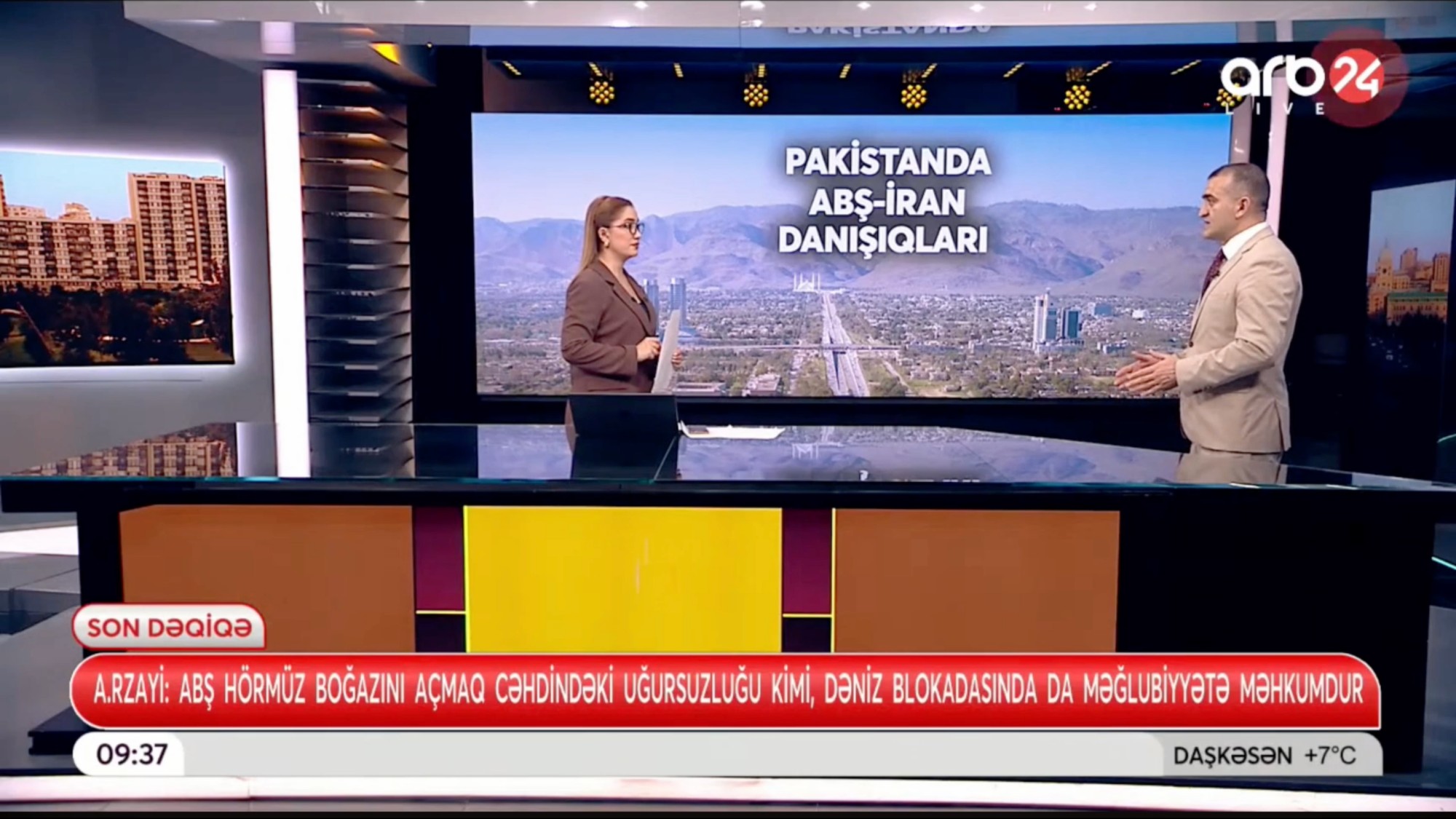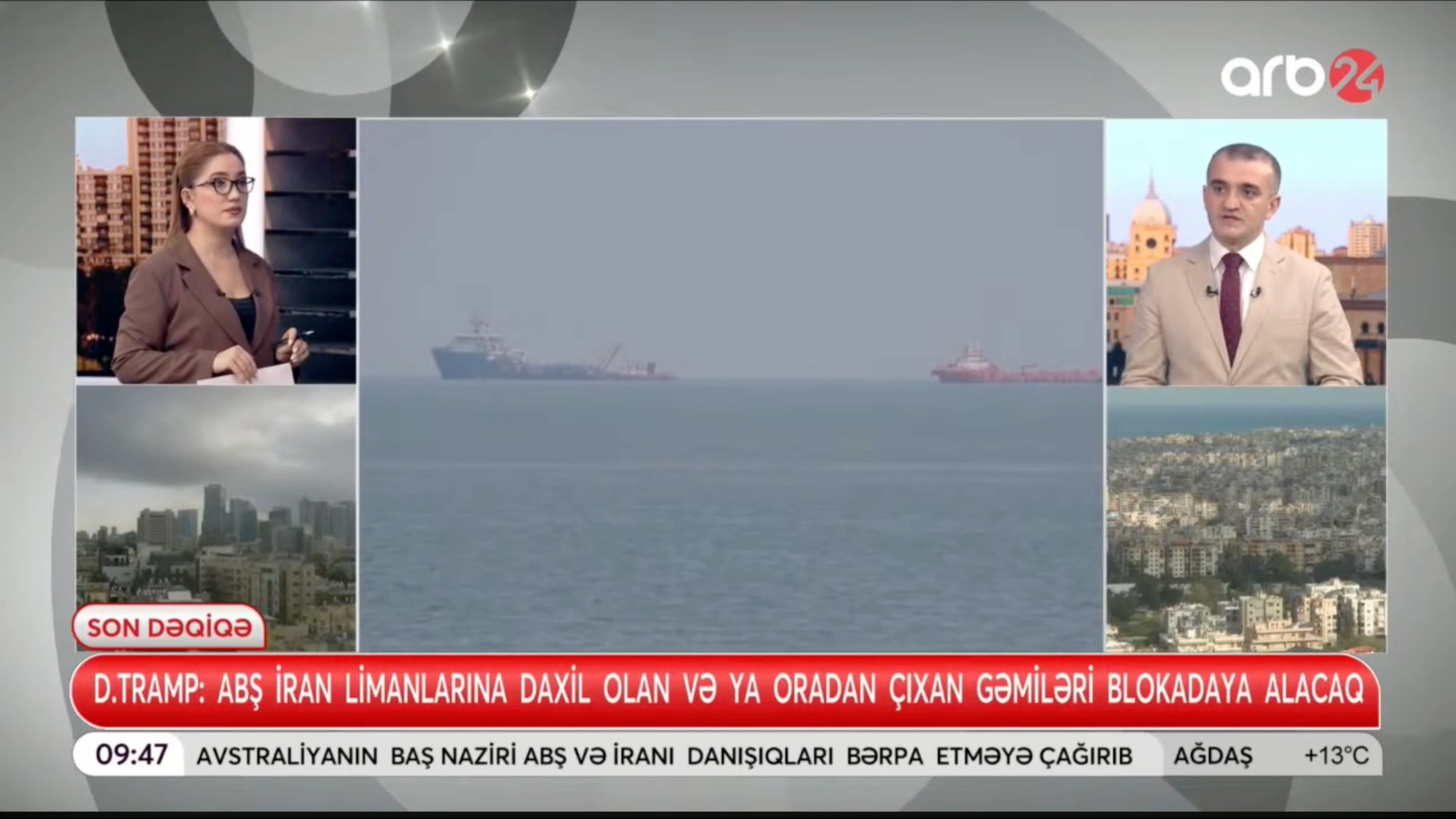
Although the direct talks between the United States and Iran held in Islamabad did not produce a concrete outcome, the establishment of direct contact between the sides is being closely monitored in the region. While relative calm is currently observed in the Middle East, no official ceasefire has been declared and only a passive pause exists between the parties. The situation around the Strait of Hormuz remains a central issue for global energy security, and a new round of negotiations between the sides is expected in the near future.
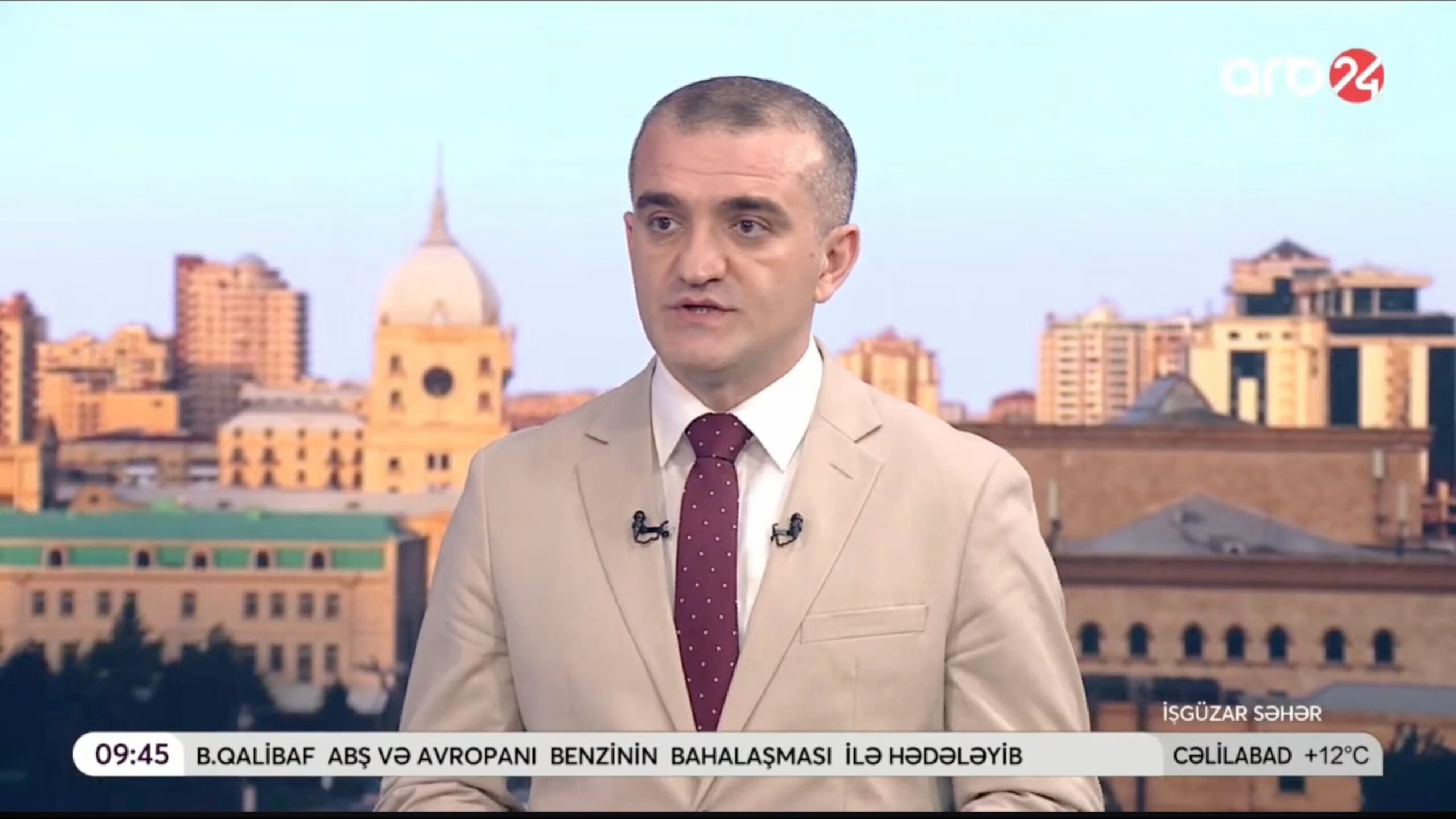
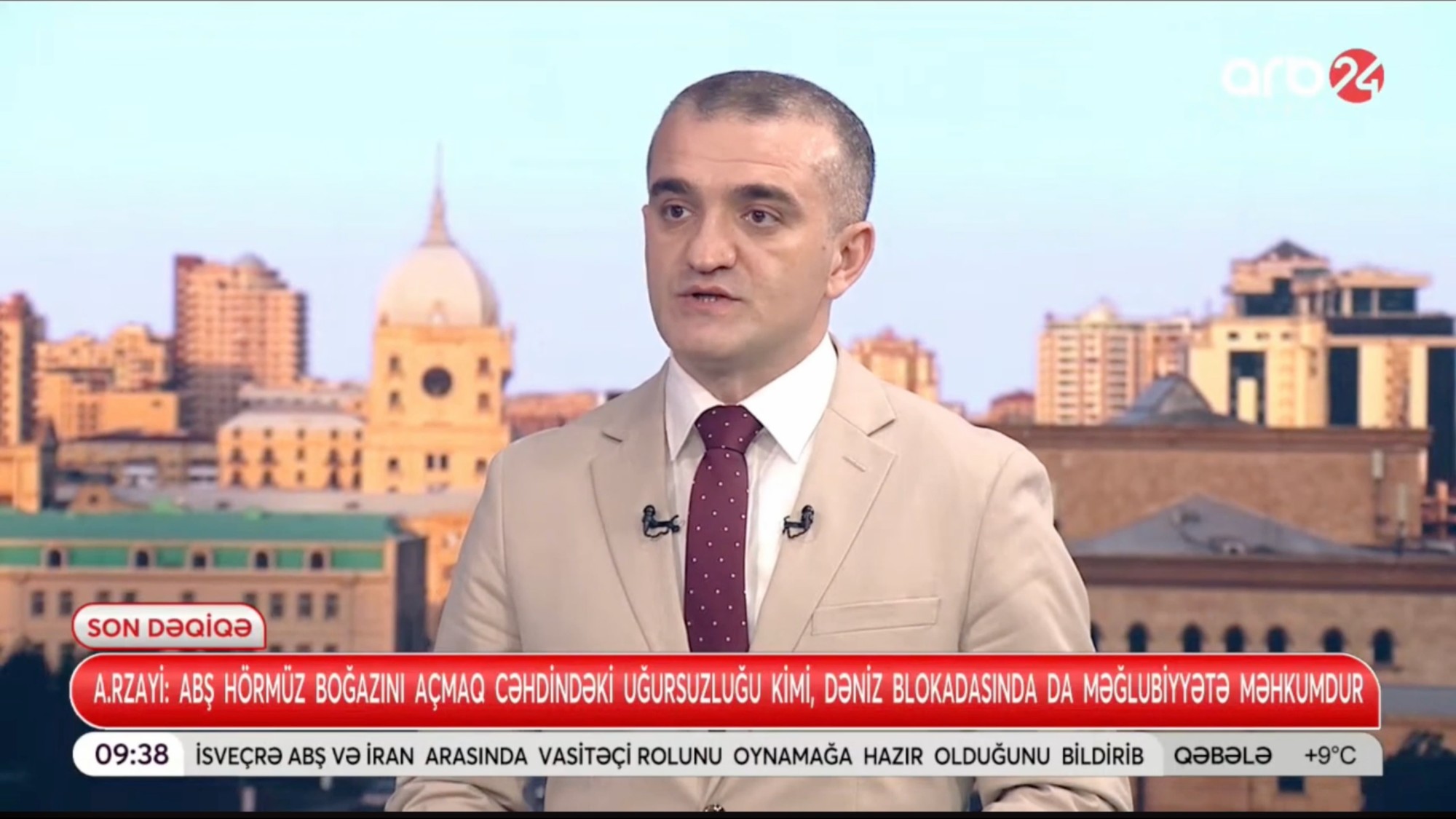
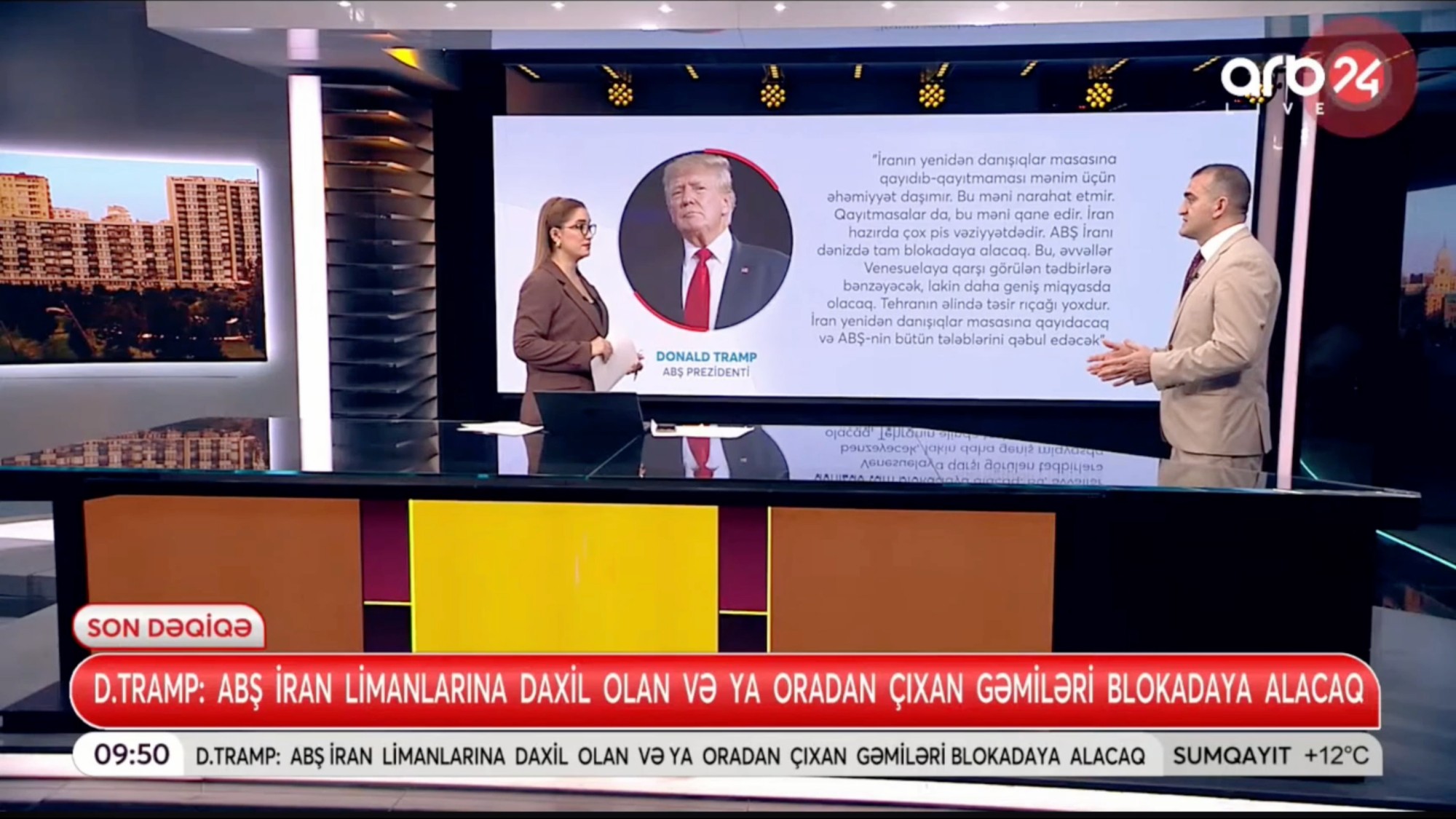
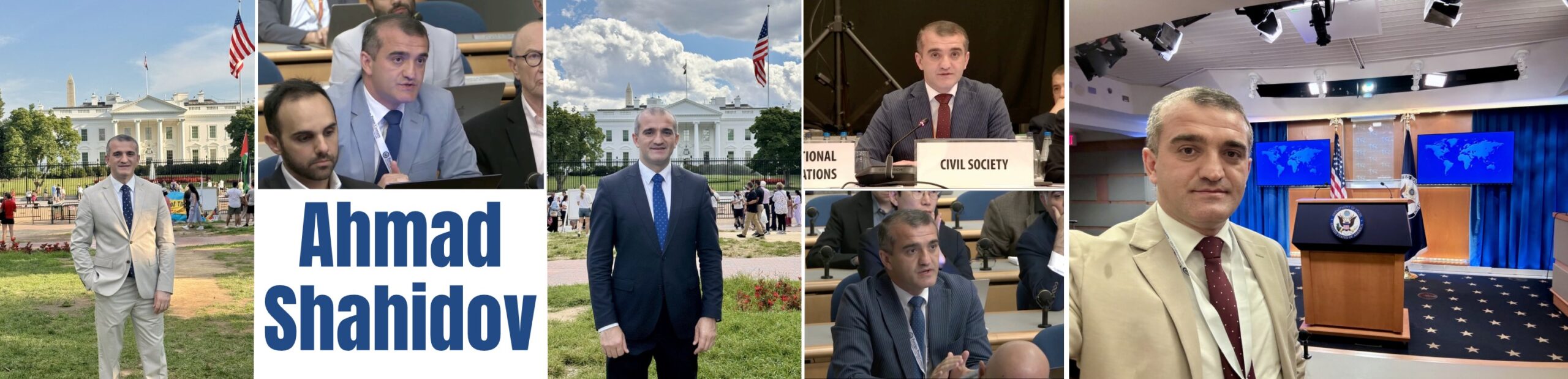
Political analyst Ahmad Shahidov stated during his appearance on ARB24 Television that despite the lack of results, the Islamabad meeting should be considered an important step: “At least direct dialogue between the United States and Iran took place, and the sides were able to better understand each other’s red lines.” According to him, the main tension is currently concentrated around the Strait of Hormuz, and Iran’s attempts to control this strategic waterway contradict international law.
Ahmad Shahidov emphasized that the main priority of the United States is to ensure free and secure international navigation in the Strait of Hormuz: “Iran is trying to effectively nationalize this strait, but it is an international waterway and cannot belong to any country.” He noted that although active military operations are not currently underway, this is only a temporary pause and there is no official ceasefire. In his view, both Washington and Tehran are leaving room for another round of talks, but the maximalist demands of both sides make reaching a compromise difficult.