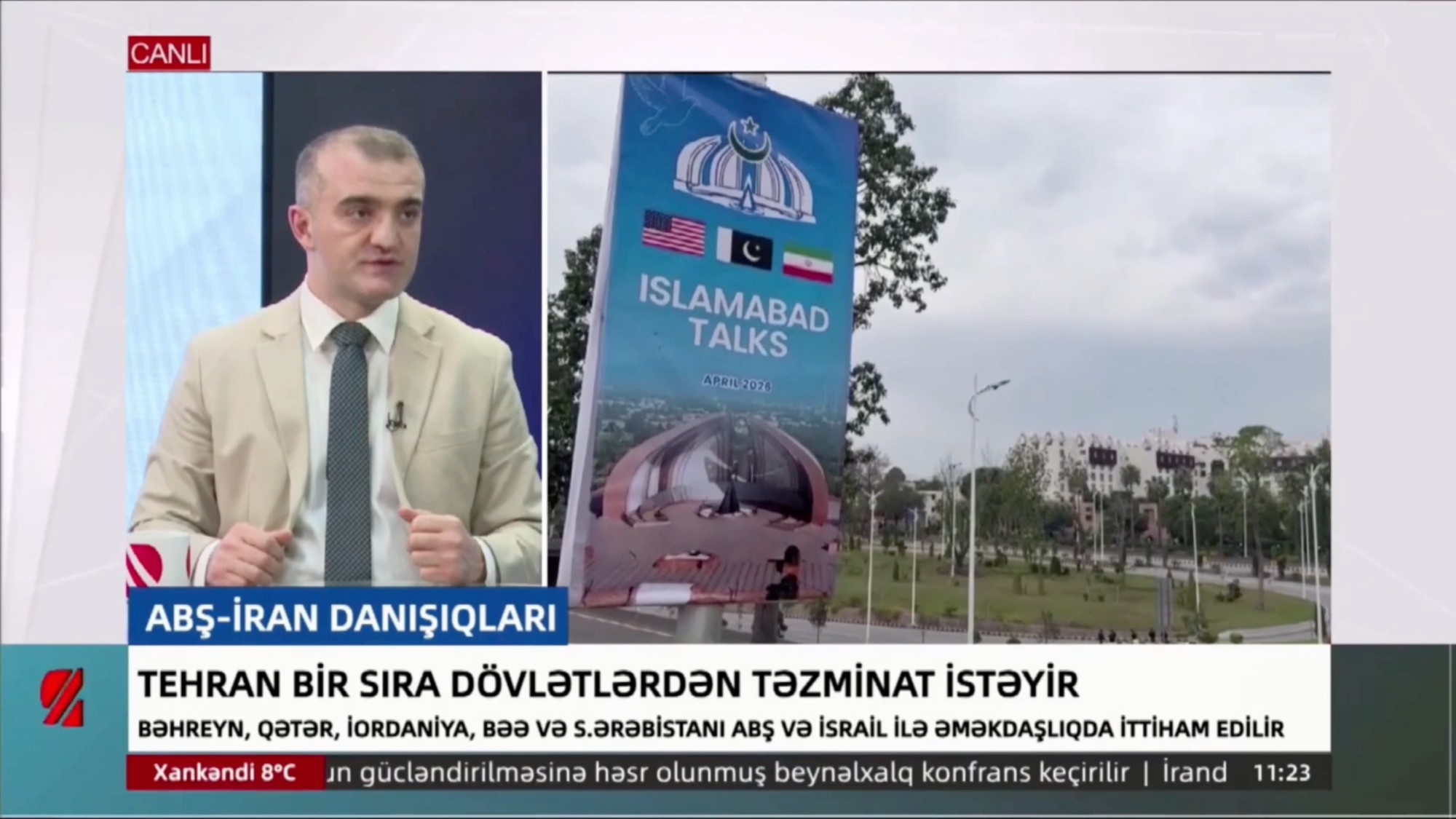
Although the direct talks between the United States and Iran held in Islamabad did not result in a concrete agreement, a certain ground has been established for continued engagement between the sides. Currently, no active military operations are observed in the region, and a relative calm persists. However, the situation around the Strait of Hormuz remains the main point of tension, and both sides appear to be preparing for the next round of negotiations.
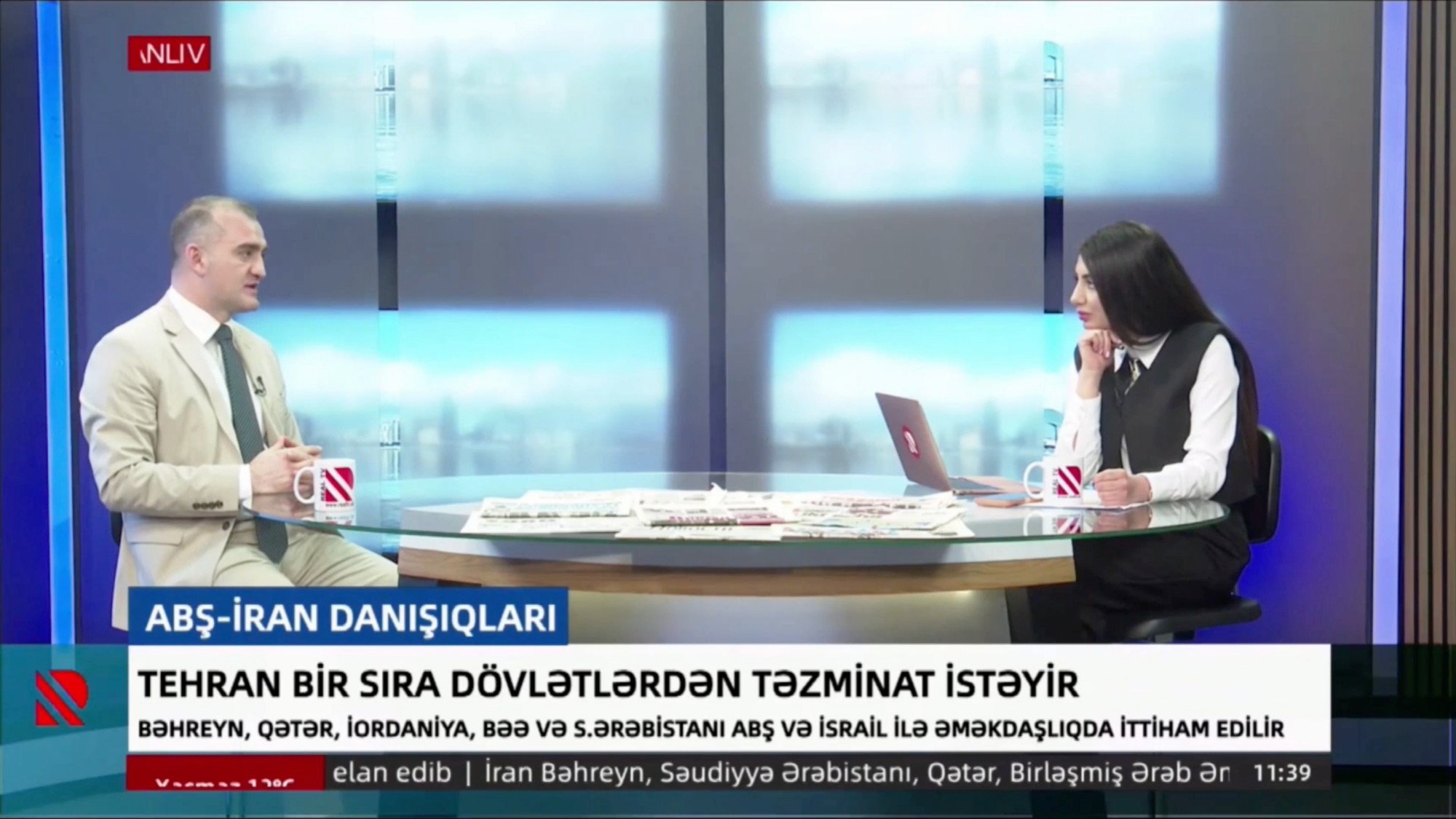
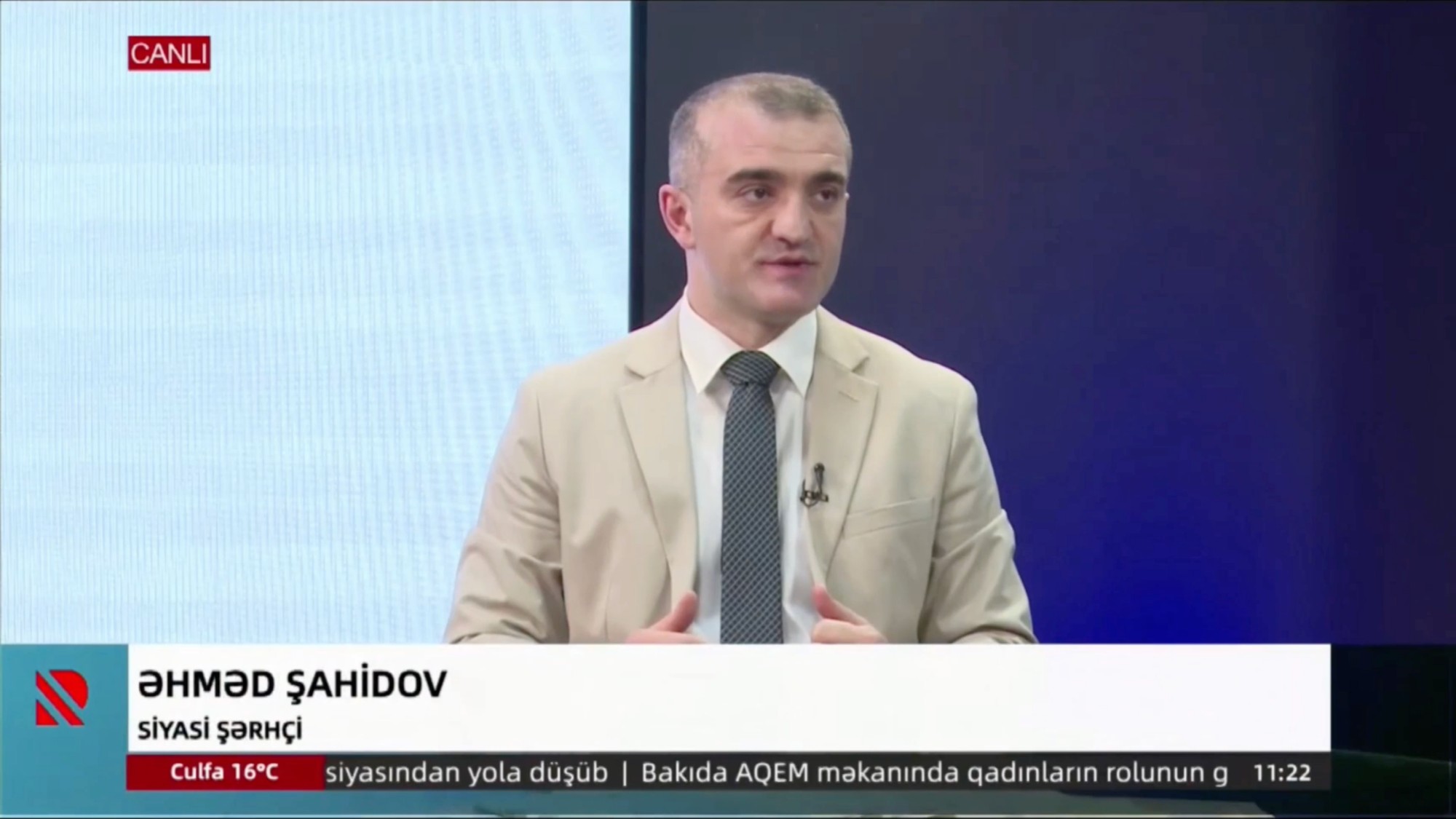
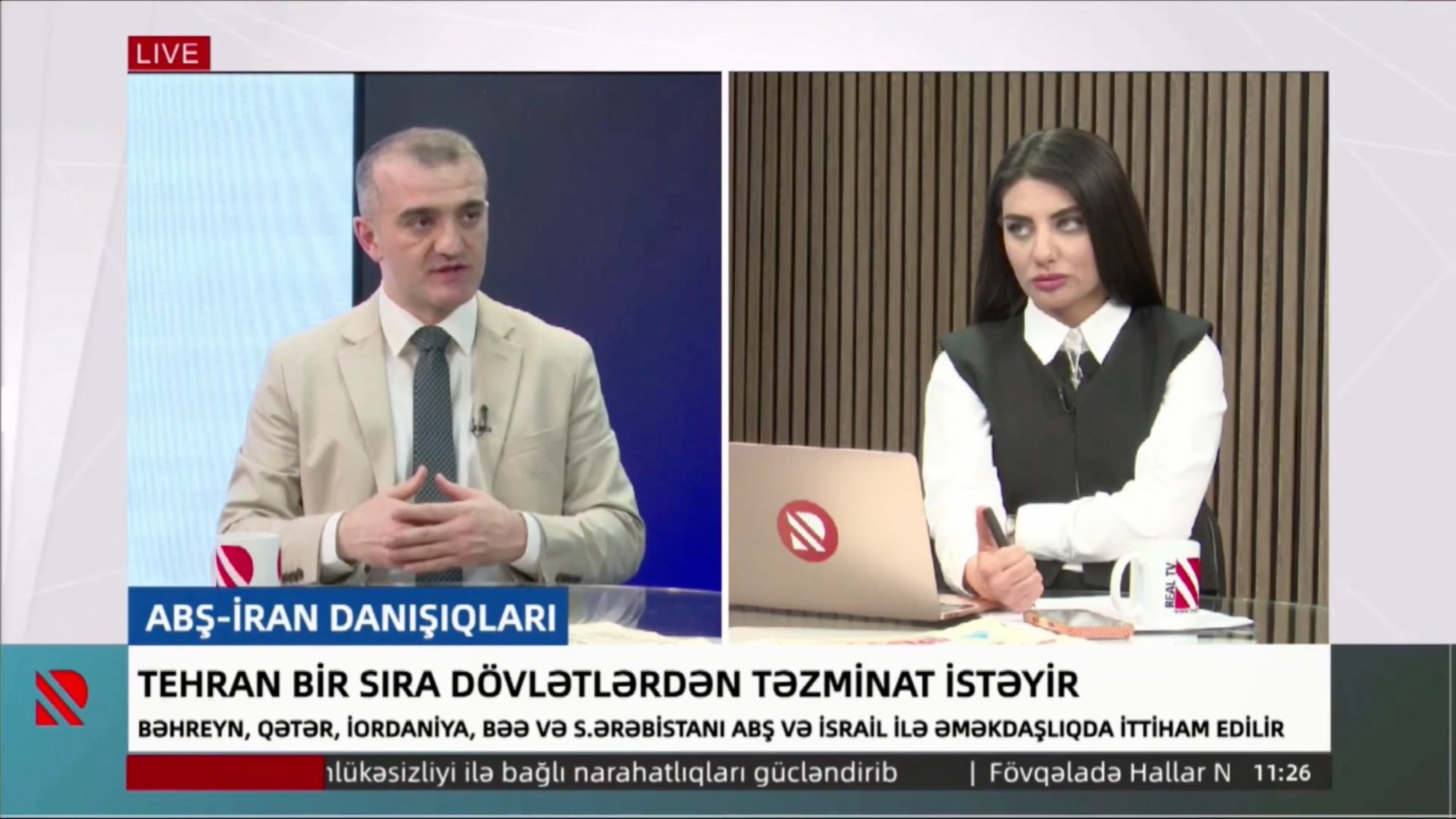
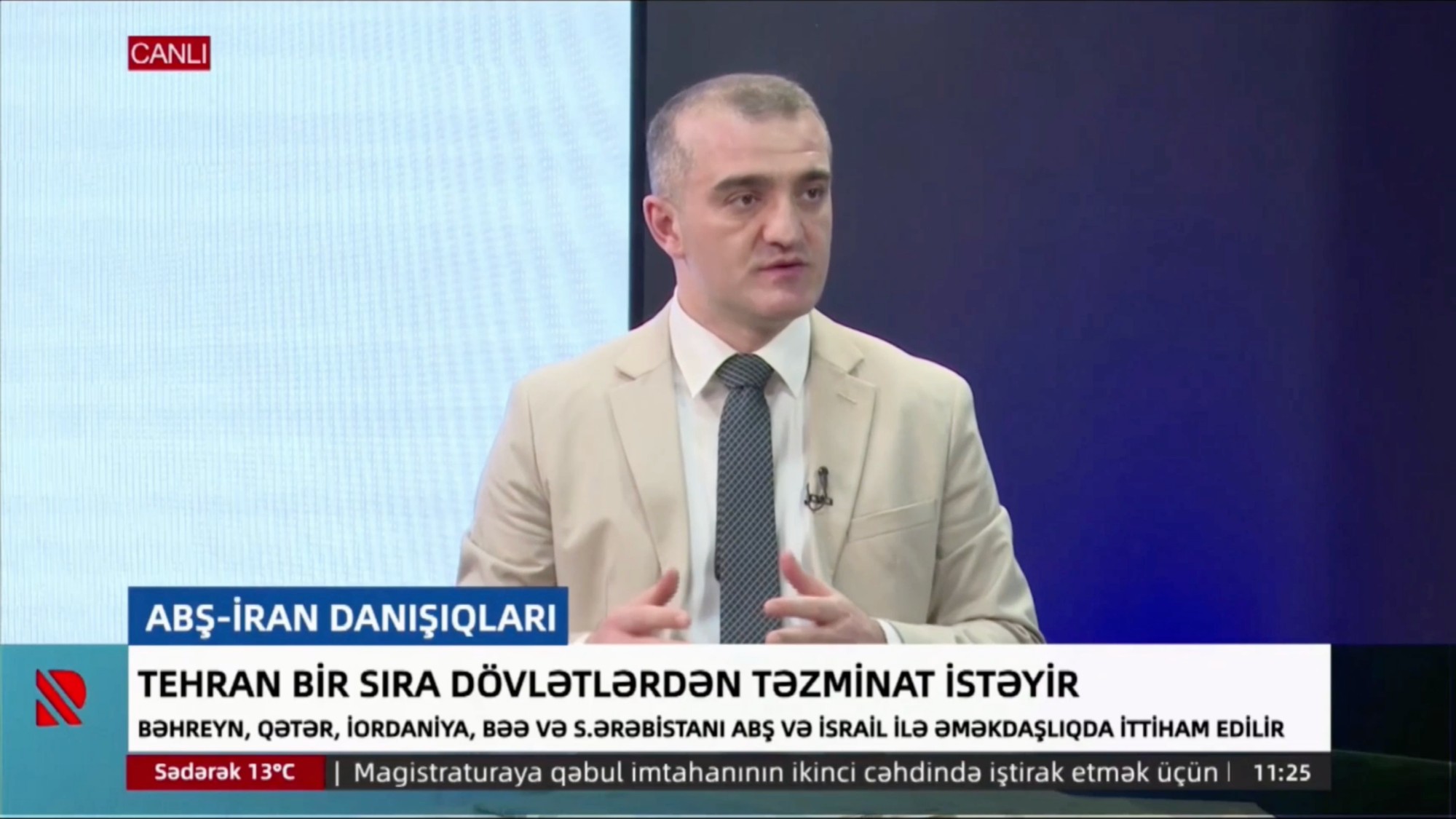
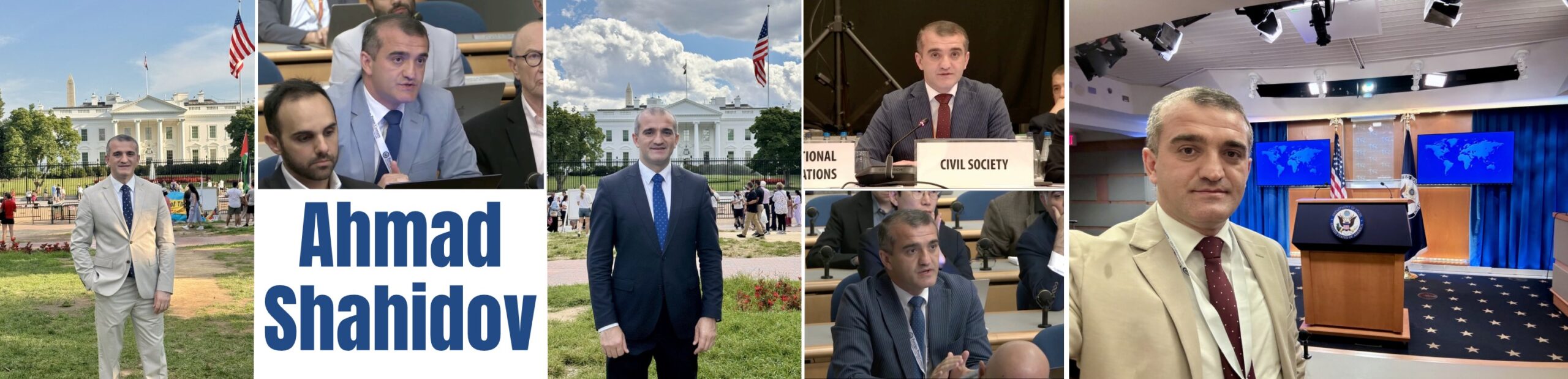
Political analyst Ahmad Shahidov stated in an interview with Real Television that despite the lack of a formal outcome, the Islamabad meeting can be considered generally successful: “At least the United States and Iran have clarified their red lines and sent clear messages to each other.” According to him, the absence of active military operations indicates a temporary pause, but this should not be interpreted as a formal ceasefire, and preparations for the next round are already underway.
Ahmad Shahidov emphasized that the core issue remains the status of the Strait of Hormuz: “Iran is trying to nationalize the strait, while the United States seeks to ensure free and secure navigation as soon as possible.” He noted that a full blockade of the strait by the US is not realistic, as actions against vessels from countries like Russia and China could trigger broader escalation. In his view, if an agreement is reached under current conditions, Iran would present it as a victory and adopt a tougher regional stance. Otherwise, if the next round of talks fails, the likelihood of renewed military operations will remain high, even though the US is not interested in a prolonged war and prefers a political solution.