Rising tensions in the Middle East, the future of U.S.–Iran negotiations, and the possibility of military escalation have become key factors shaping the region’s security agenda. The increased U.S. military presence in the region, firm statements from Israel, and ongoing diplomatic efforts surrounding Tehran’s nuclear program remain at the center of international attention. The trajectory of these developments and potential scenarios continue to be widely debated.
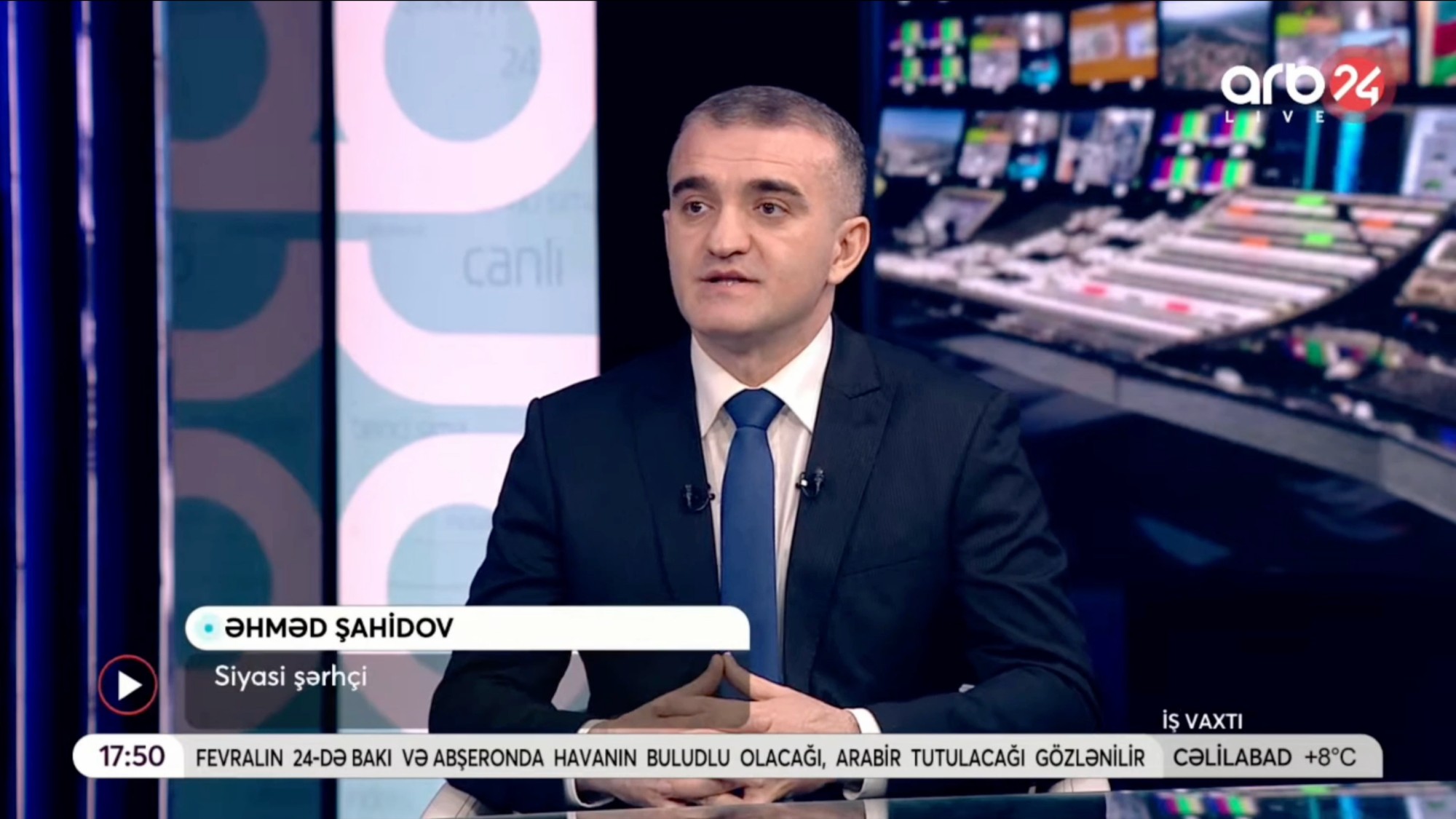
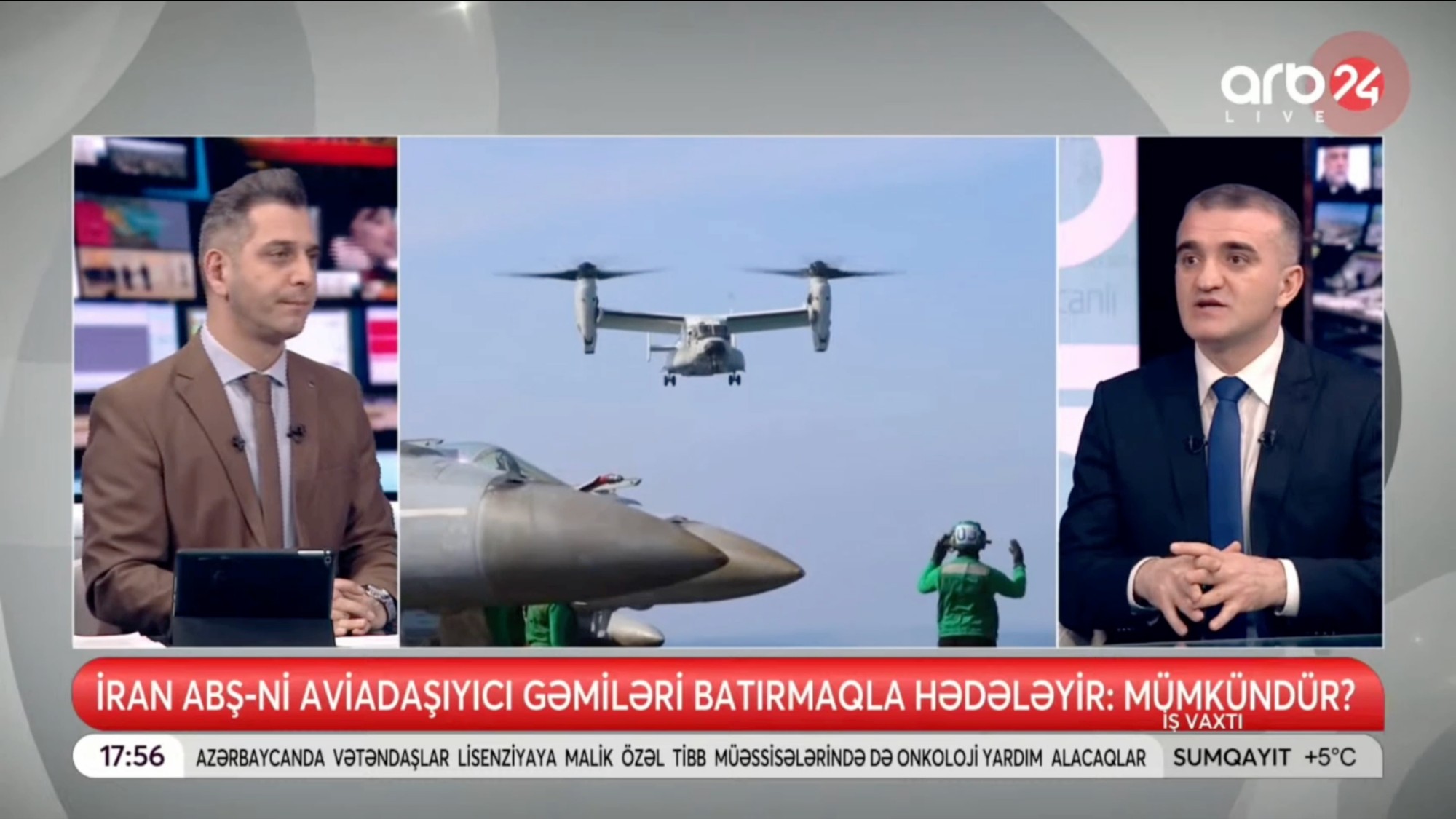
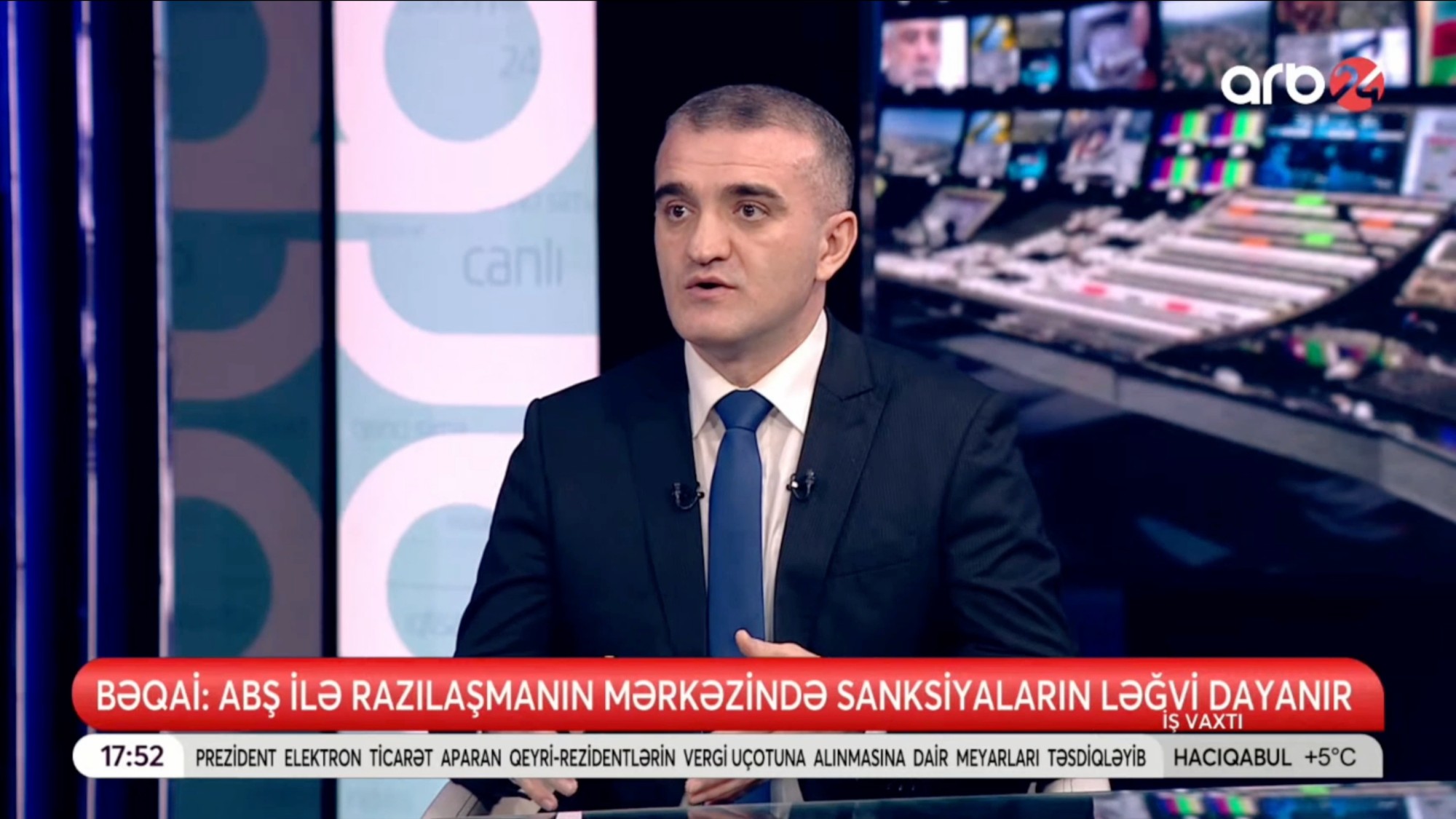
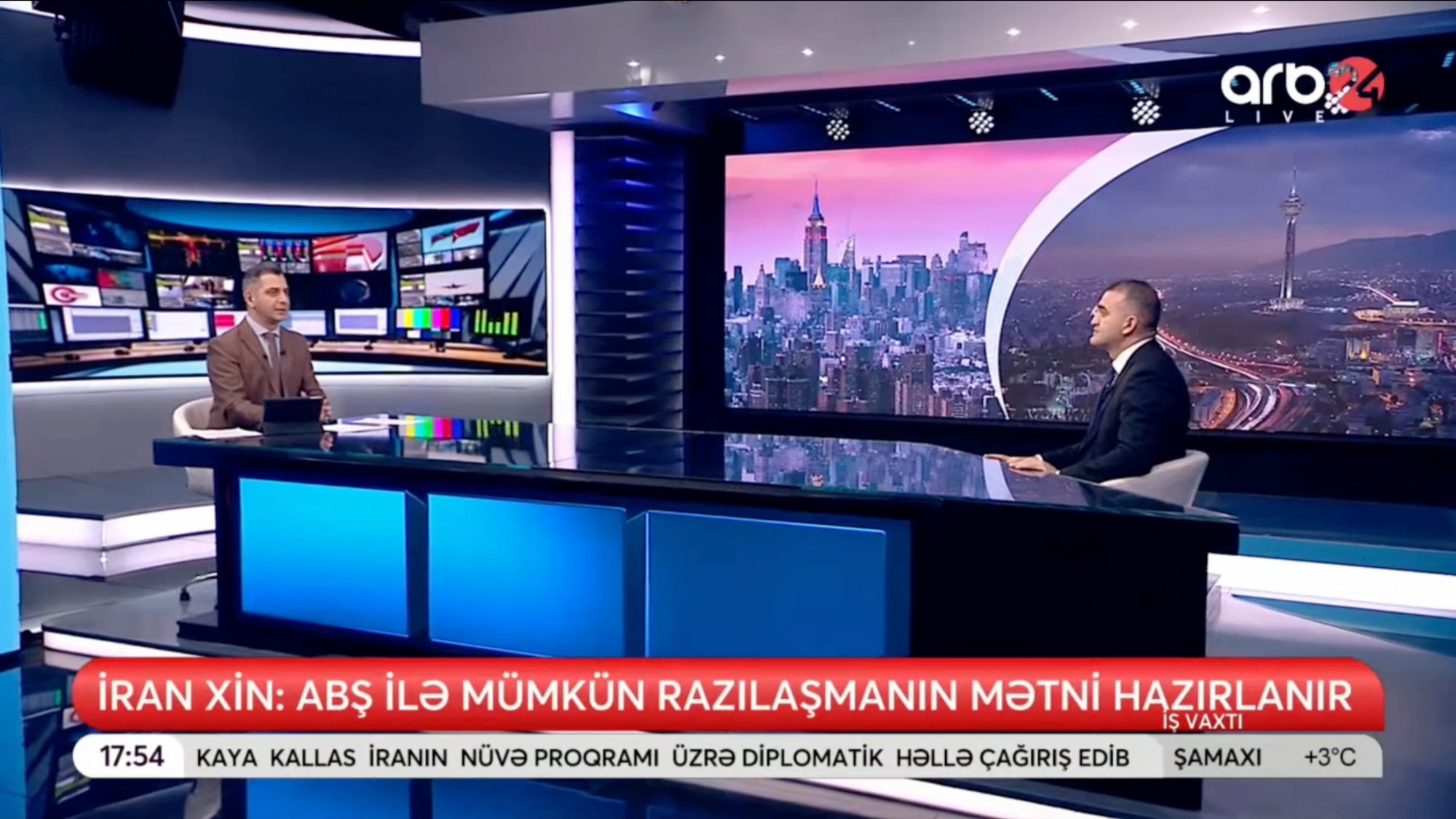
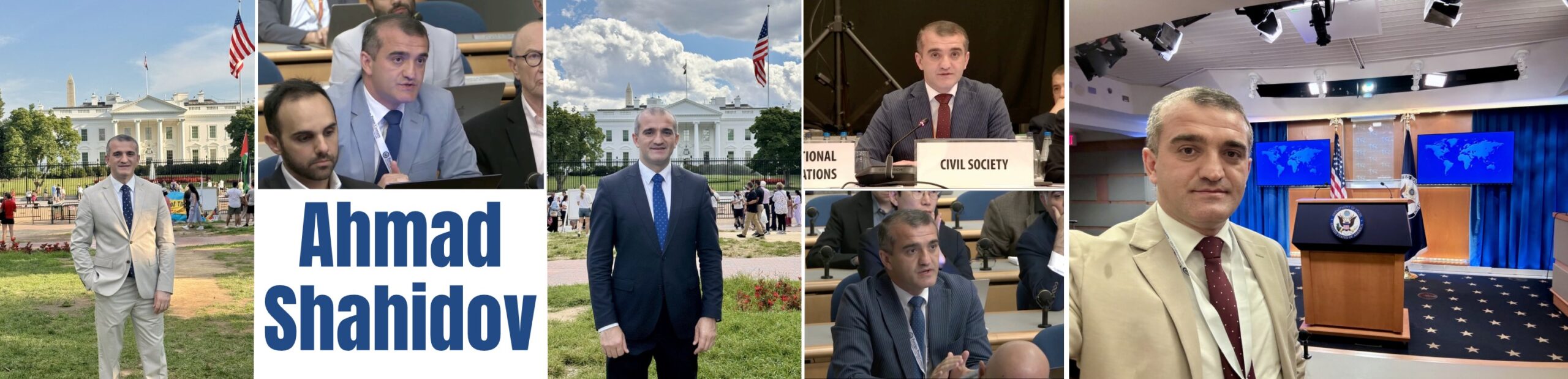
Political analyst Ahmad Shahidov gave an extensive interview to ARB24 Television on the issue. He stated that the current U.S. military buildup in the Middle East primarily serves as a deterrence measure, with Washington seeking leverage at the negotiating table. According to Shahidov, “A large-scale war is not a preferred scenario for the United States, but clear red lines regarding Iran’s nuclear program have been firmly articulated.”
Ahmad Shahidov also addressed Iran’s internal socio-political climate, noting that economic hardships and sanctions are increasing public dissatisfaction, while the regime maintains control through its security structures. He emphasized that in the event of military confrontation, Iran would likely respond asymmetrically, potentially expanding regional security risks: “At this stage, the key issue is the outcome of the Geneva talks. As long as the diplomatic channel remains open, the probability of a major war is low, but the risk of limited escalation is real.”