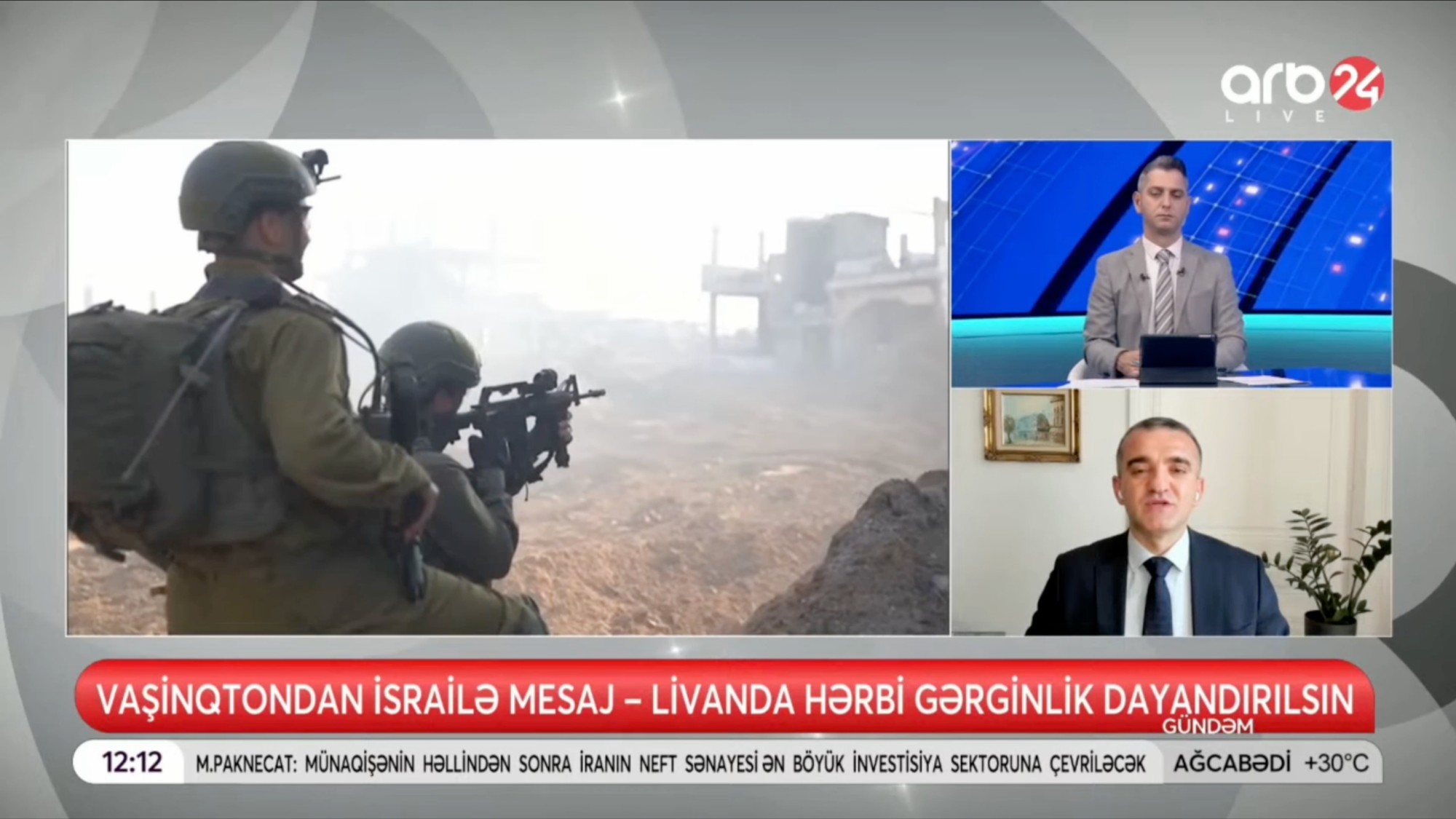
The decision to include the Israel-Hezbollah conflict on the agenda of the planned talks between the United States and Iran in Switzerland has attracted significant international attention. The negotiations, taking place amid ongoing regional tensions, are considered important for restoring stability in the Middle East and reducing the risk of further escalation.
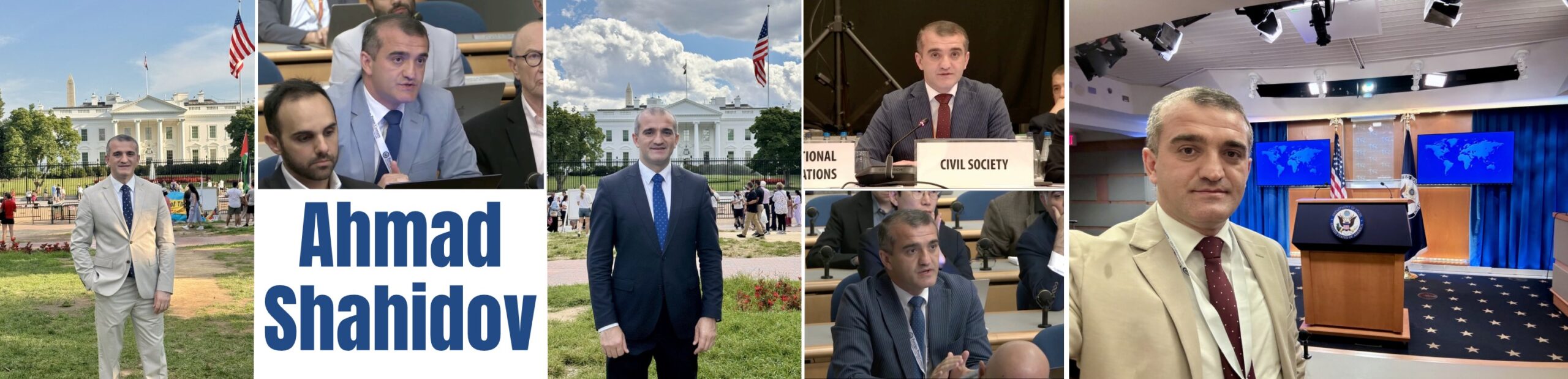
Speaking to ARB24 Television from Strasbourg, France, political analyst Ahmad Shahidov stated that the US-Iran talks are not merely about bilateral relations but represent a broader and highly sensitive process related to resolving conflicts across the Middle East. “One of the main challenges is that the other key parties to the conflict – Israel and Iran-backed proxy forces, particularly Hezbollah in Lebanon – are not directly participating in the negotiations. Iran has placed the security and territorial integrity of its regional allies, including Lebanon, among the important issues on the negotiating table. At the same time, Israel has made it clear that it will not accept any agreement that could undermine its national security,” he said.
According to Ahmad Shahidov, the fact that the parties are prepared to sit down at the negotiating table in Geneva is a positive development, but it should not be interpreted as the end of conflicts in the Middle East. “If any side violates the agreed terms, or if new military actions occur on the Israel-Hezbollah front or in Gaza, Iran may respond accordingly. Such a scenario could once again derail the US-Iran dialogue and further increase tensions across the region,” Shahidov noted.