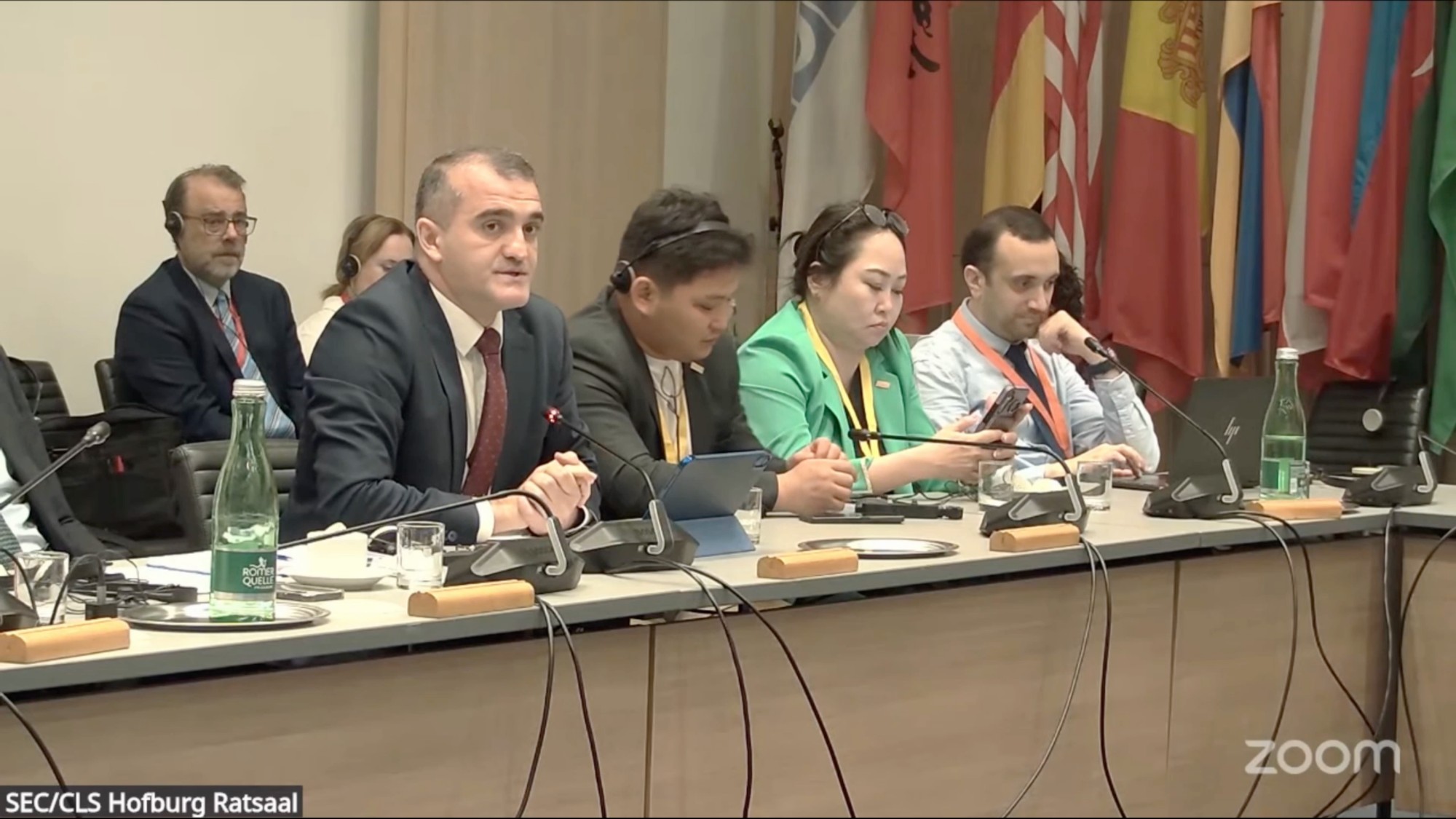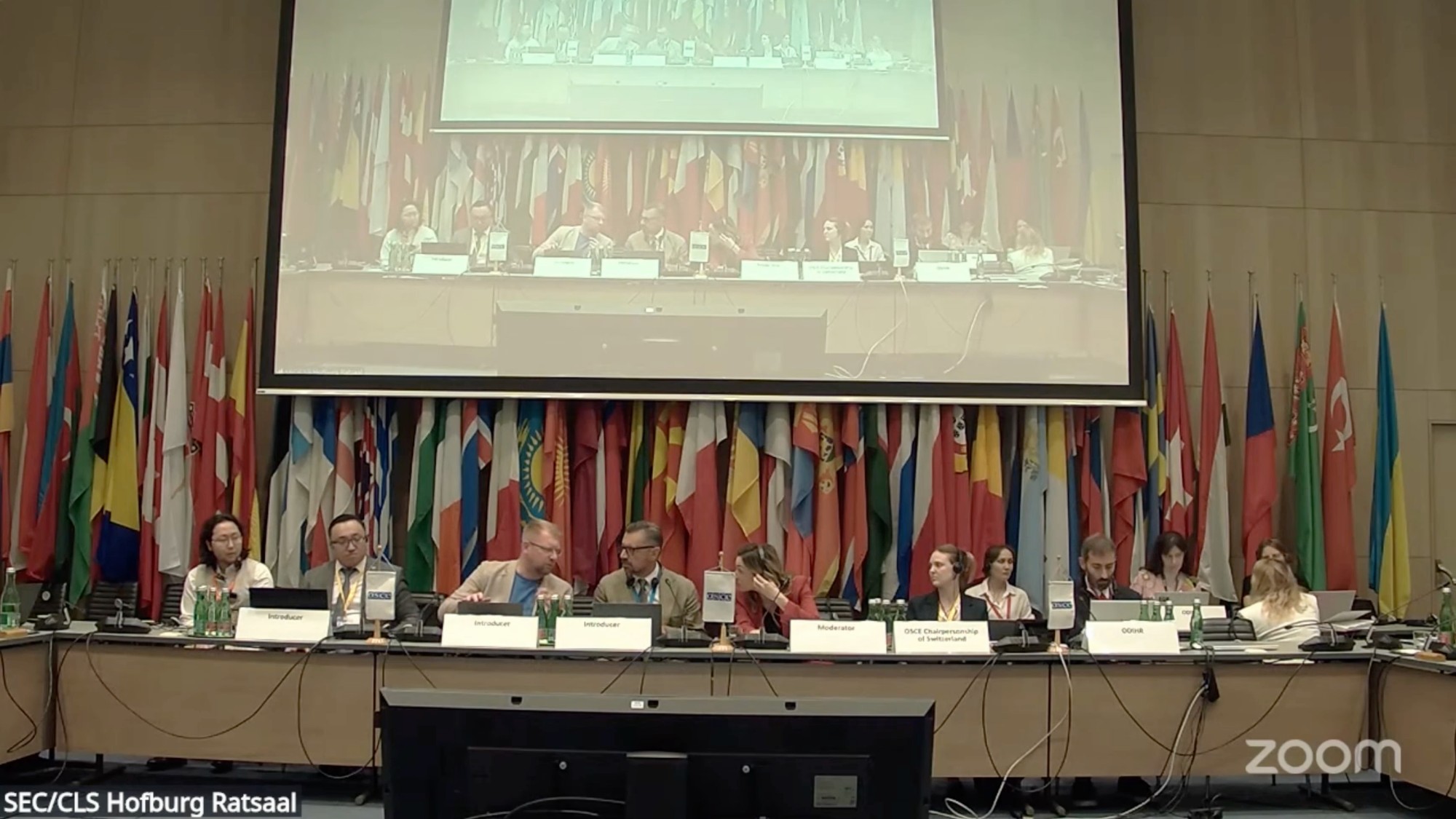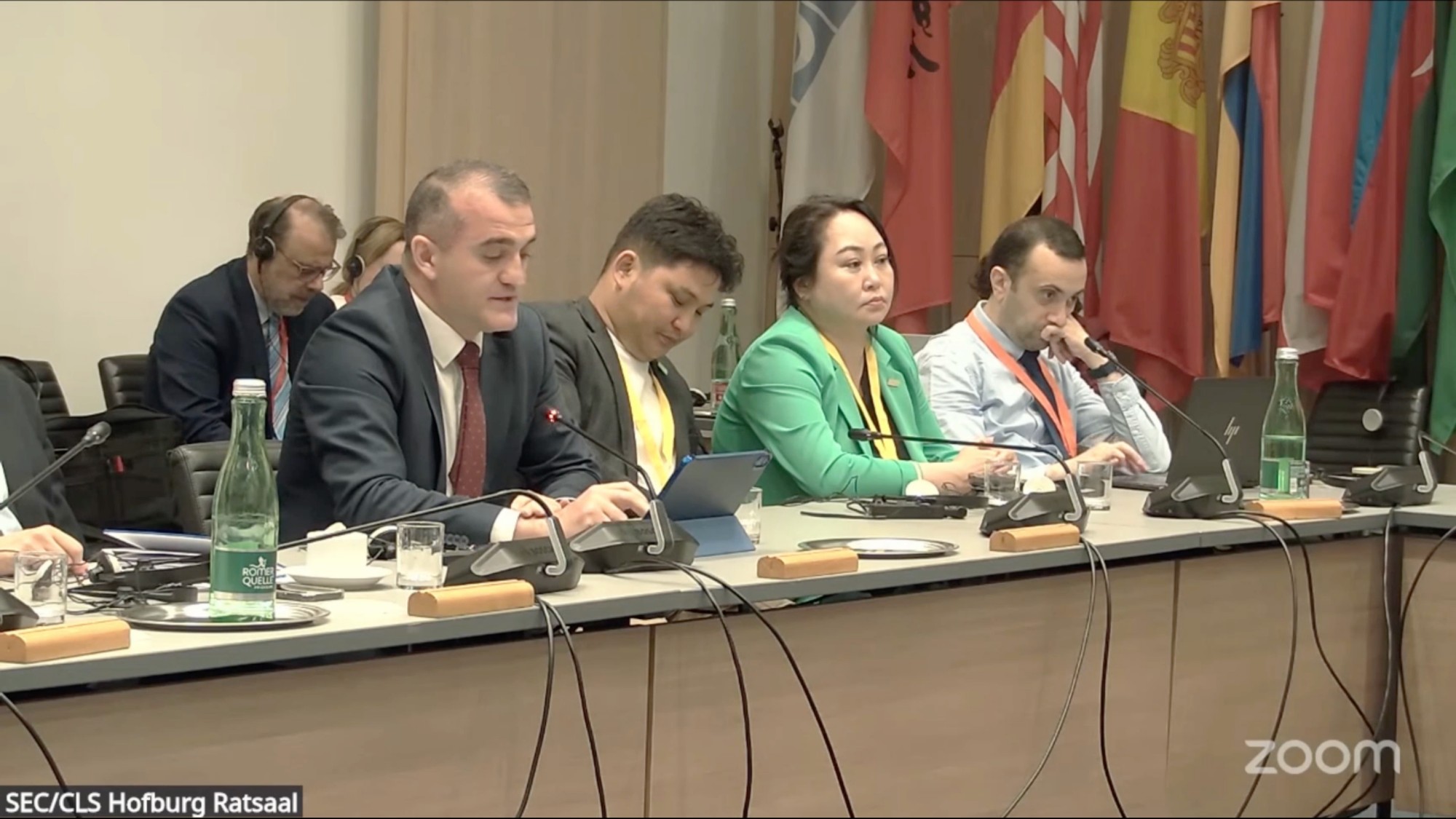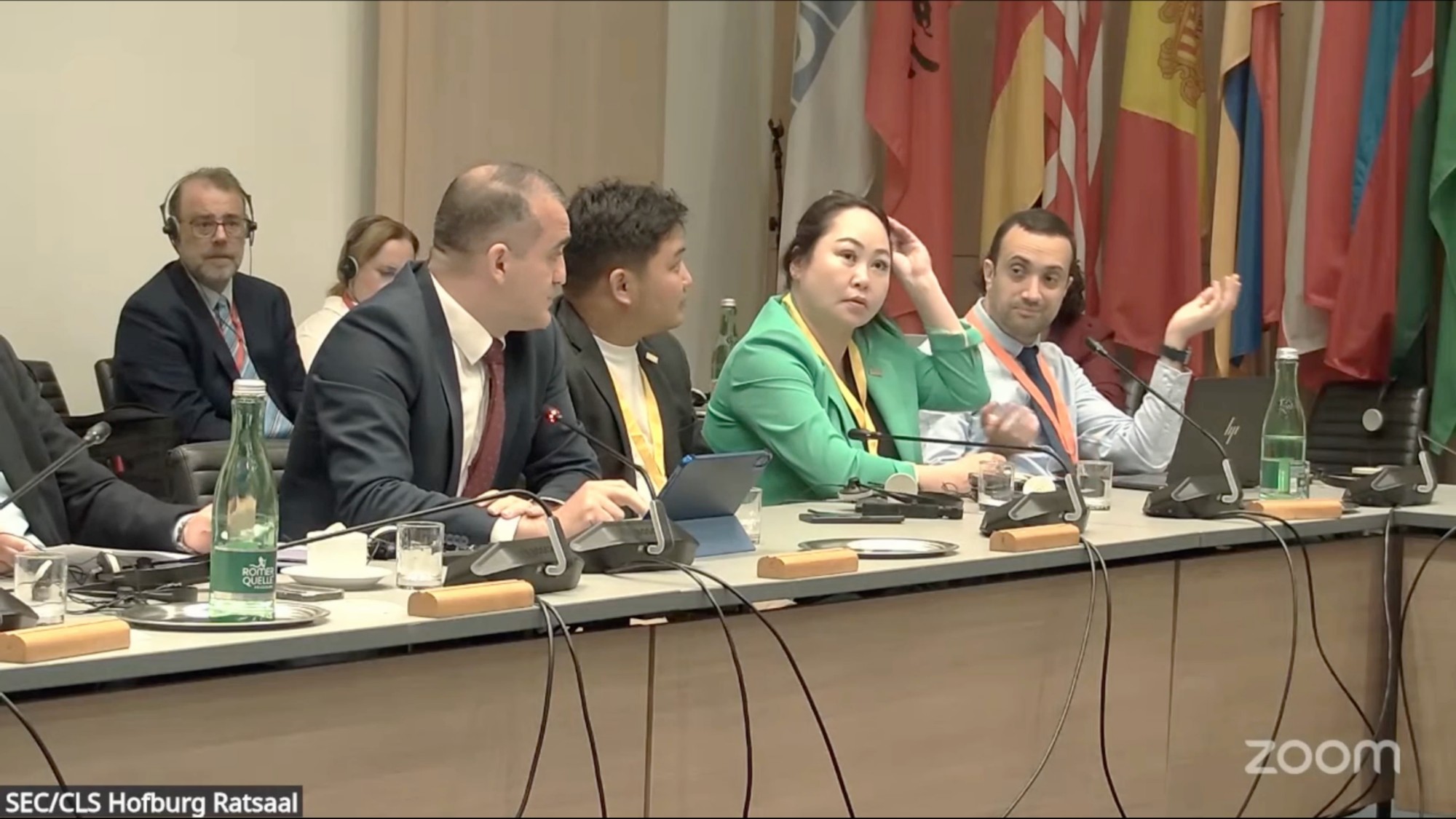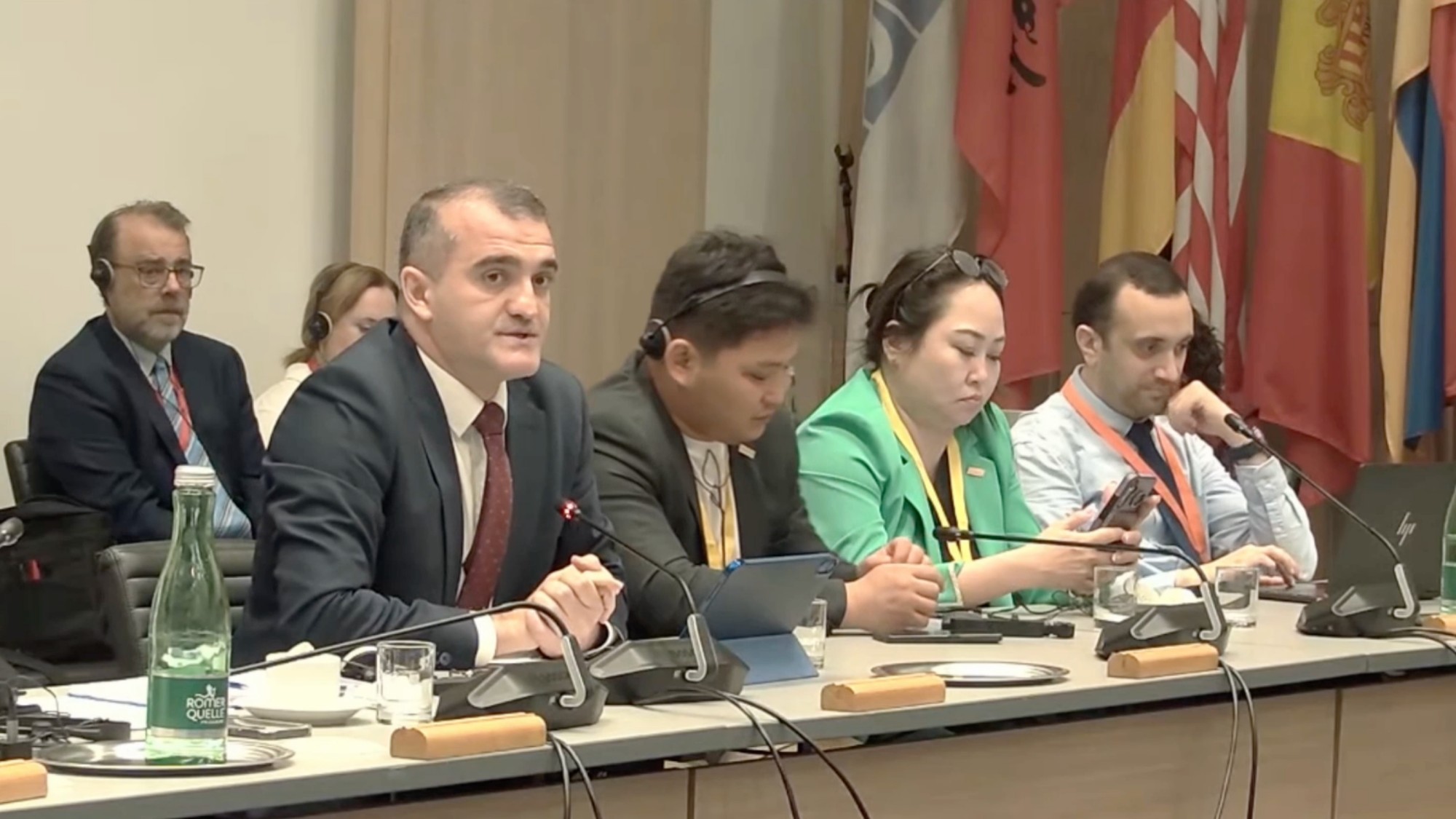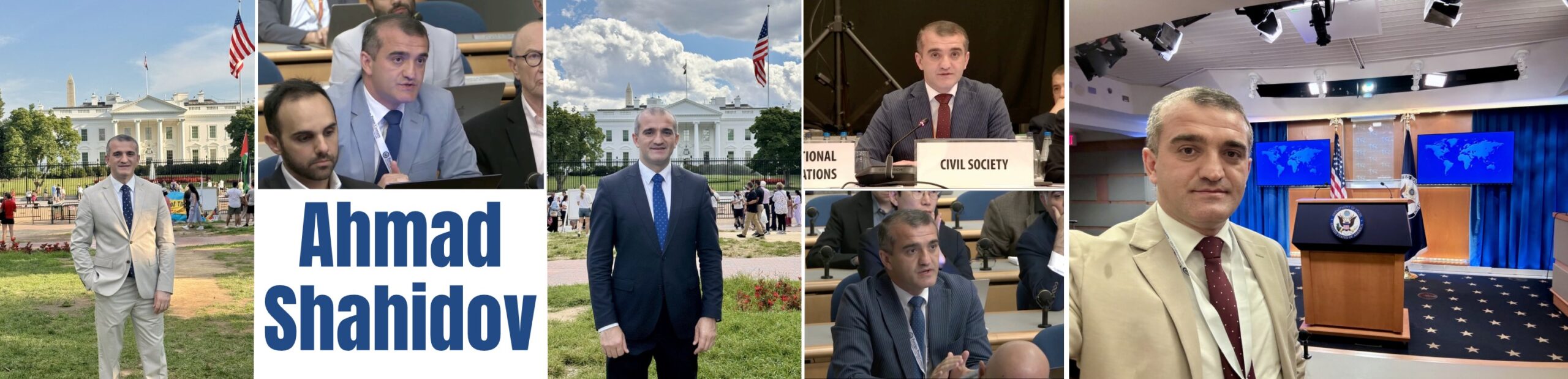
The OSCE Supplementary Human Dimension Meeting entitled “Preventing Torture and Ill-Treatment – Strengthening Co-operation and Implementation” is continuing in Vienna, Austria. The high-level event, held on 29–30 June, has brought together diplomats, human rights defenders, journalists, and representatives of international organizations from all 57 OSCE participating States. On 30 June 2026, the second panel session, entitled “Preventing Torture through Training, Monitoring, and Enhanced Oversight,” focused on international cooperation and oversight mechanisms aimed at preventing torture.
Speaking during the panel, Ahmad Shahidov, Head of the Azerbaijan Institute for Democracy and Human Rights, rejected as completely unfounded the allegations made by the Armenian representative who spoke before him. Shahidov stated that the ethnic Armenian individuals currently on trial in Azerbaijan are not prisoners of conscience but are being prosecuted for serious crimes committed during the occupation of Azerbaijani territories.
Ahmad Shahidov stressed that their rights are fully protected in accordance with Azerbaijani legislation and international standards. He noted that they have access to legal counsel, receive medical care whenever necessary, and maintain regular telephone contact with their family members.
Continuing with the main subject of the session, Ahmad Shahidov emphasized that preventing torture requires not only legislation but also professional training, independent monitoring, effective oversight, and accountability mechanisms. He recalled that the United Nations International Day in Support of Victims of Torture, observed just a few days ago, serves as a reminder of the importance of strengthening international cooperation in this field.
Referring to the human rights situation in Jammu and Kashmir, Shahidov stated that reports issued by United Nations human rights mechanisms, international human rights organizations, and reputable media outlets contain numerous allegations concerning torture, arbitrary detention, excessive use of force, and other serious human rights violations committed by Indian security forces. He emphasized that these allegations deserve independent, impartial, and transparent investigations in accordance with international human rights standards.
Concluding his remarks, Ahmad Shahidov stressed that human rights violations cannot be confined by geography and that the OSCE’s comprehensive concept of security clearly reflects this reality. According to him, human rights abuses undermine regional stability, contribute to displacement and refugee movements, and negatively affect international security. He called on the international community to strengthen joint efforts aimed at preventing torture through professional training, independent monitoring, and effective oversight mechanisms.