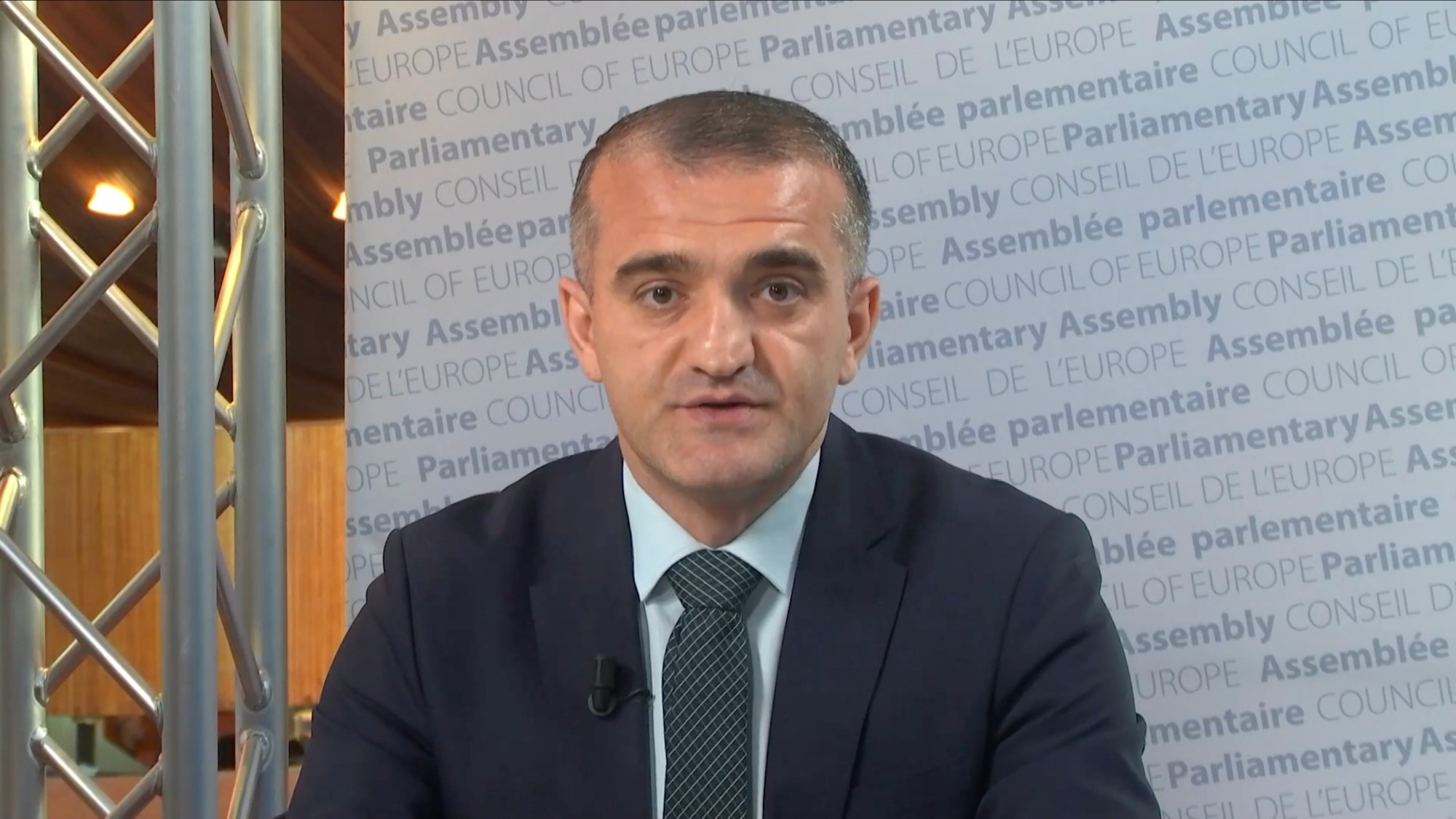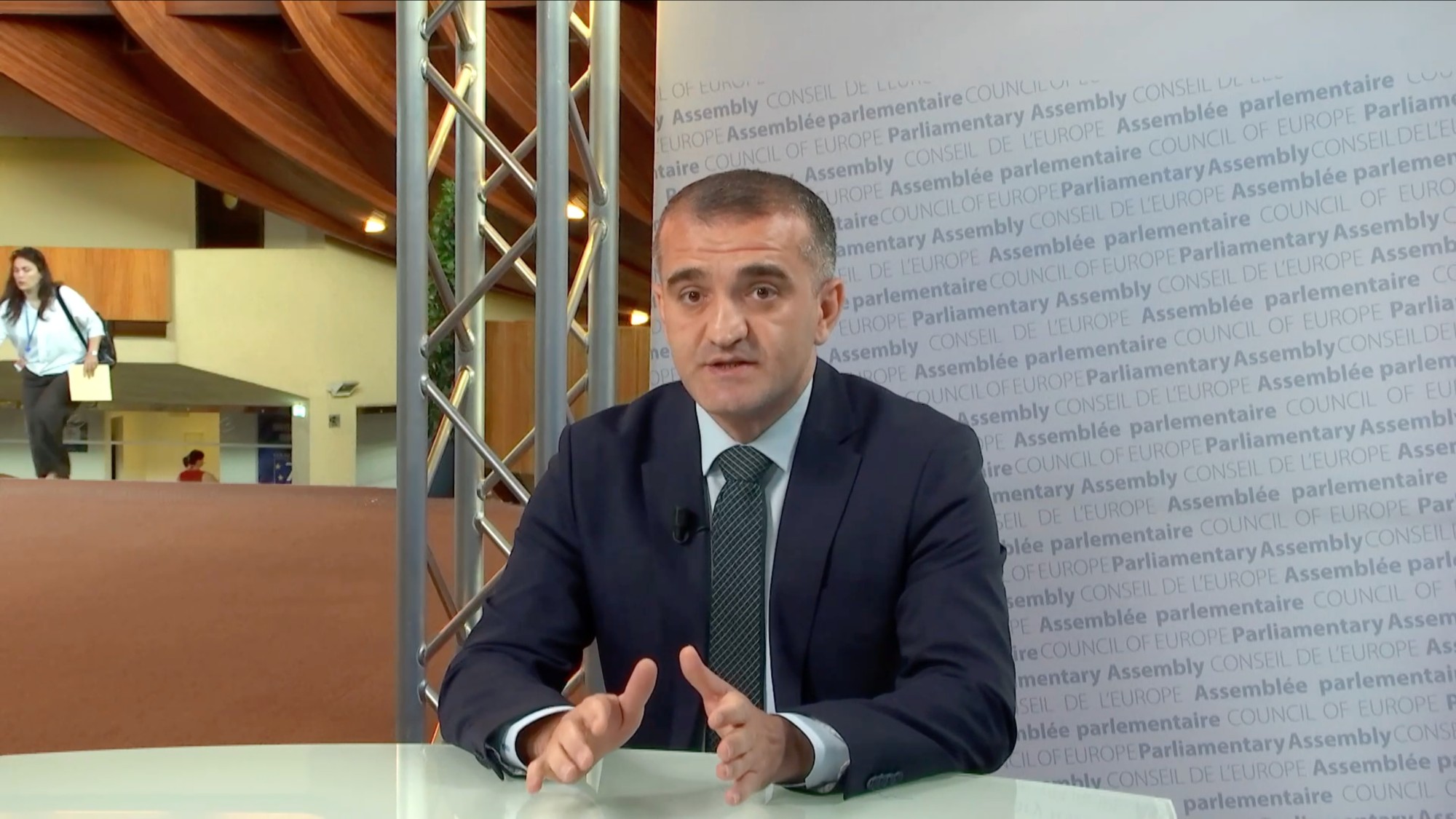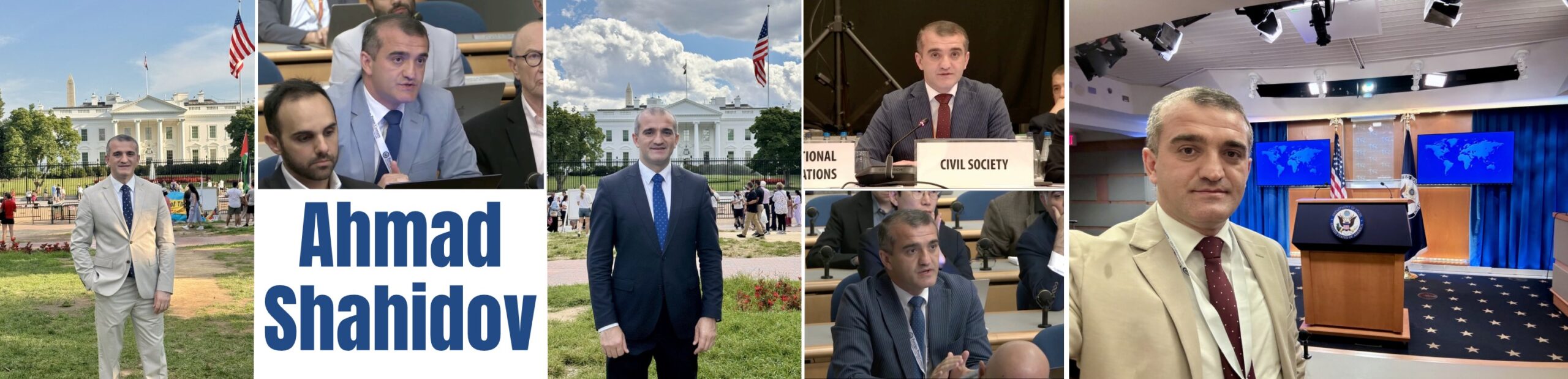
The 2026 Summer Session of the Parliamentary Assembly of the Council of Europe (PACE) has concluded in Strasbourg, France, following five days of intensive debates on Europe’s most pressing political, legal and security challenges. Commenting on the outcome of the session, Azerbaijani human rights defender Ahmad Shahidov released a video statement from Strasbourg, summarizing the Assembly’s key discussions and major political messages.
According to Ahmad Shahidov, this year’s Summer Session focused primarily on Russia’s war against Ukraine, democratic resilience across Europe, foreign interference, disinformation, election integrity, media freedom, migration, artificial intelligence and the protection of human rights. He noted that discussions on the governance of artificial intelligence, cybersecurity and hybrid threats demonstrated how rapidly the Council of Europe’s agenda is evolving in response to new global challenges.
Ahmad Shahidov also pointed out that parliamentarians devoted considerable attention to the human rights situation in Iran, democratic developments in Georgia, Serbia and Türkiye, as well as broader concerns regarding the rule of law and political pluralism. The Assembly also debated Azerbaijan, adopted a resolution concerning the country and discussed issues related to freedom of expression, civil society and independent journalism.
Commenting on these developments, Ahmad Shahidov emphasized that international organizations are designed to serve as platforms for dialogue, even when political disagreements exist. He stressed that while different actors may hold different views on individual reports or resolutions, continued engagement and constructive dialogue remain more effective than isolation. According to Shahidov, Azerbaijan should continue to actively participate in international institutions, present its legal and political arguments, and communicate its perspectives through open and professional dialogue.
The human rights defender concluded that the Council of Europe is increasingly expanding its focus beyond traditional human rights issues. Topics such as artificial intelligence, hybrid threats, foreign information manipulation, cybersecurity and democratic resilience have become central to the organization’s work. In his view, these discussions reflect the rapidly changing international environment and highlight the need for democratic societies to adapt while continuing to protect human rights, the rule of law and public trust in democratic institutions.