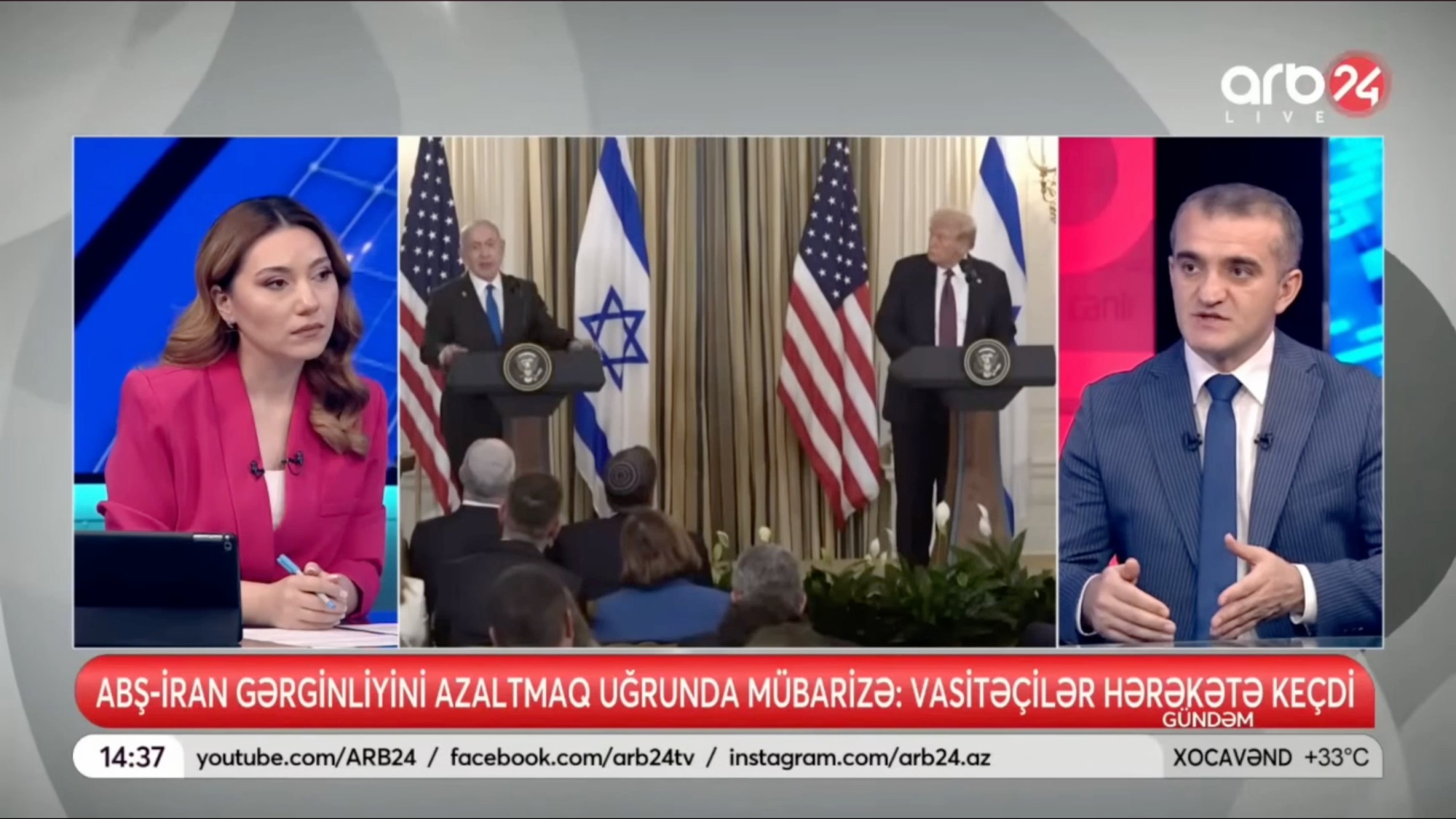
The latest U.S. military strikes on Iranian territory have further escalated tensions in the Middle East. The continued exchange of attacks between Washington and Tehran has intensified concerns that the confrontation could evolve into a broader regional conflict. Although Qatar, Pakistan, and Oman have attempted to revive diplomatic contacts between the two sides, no progress has yet been made toward resuming negotiations.
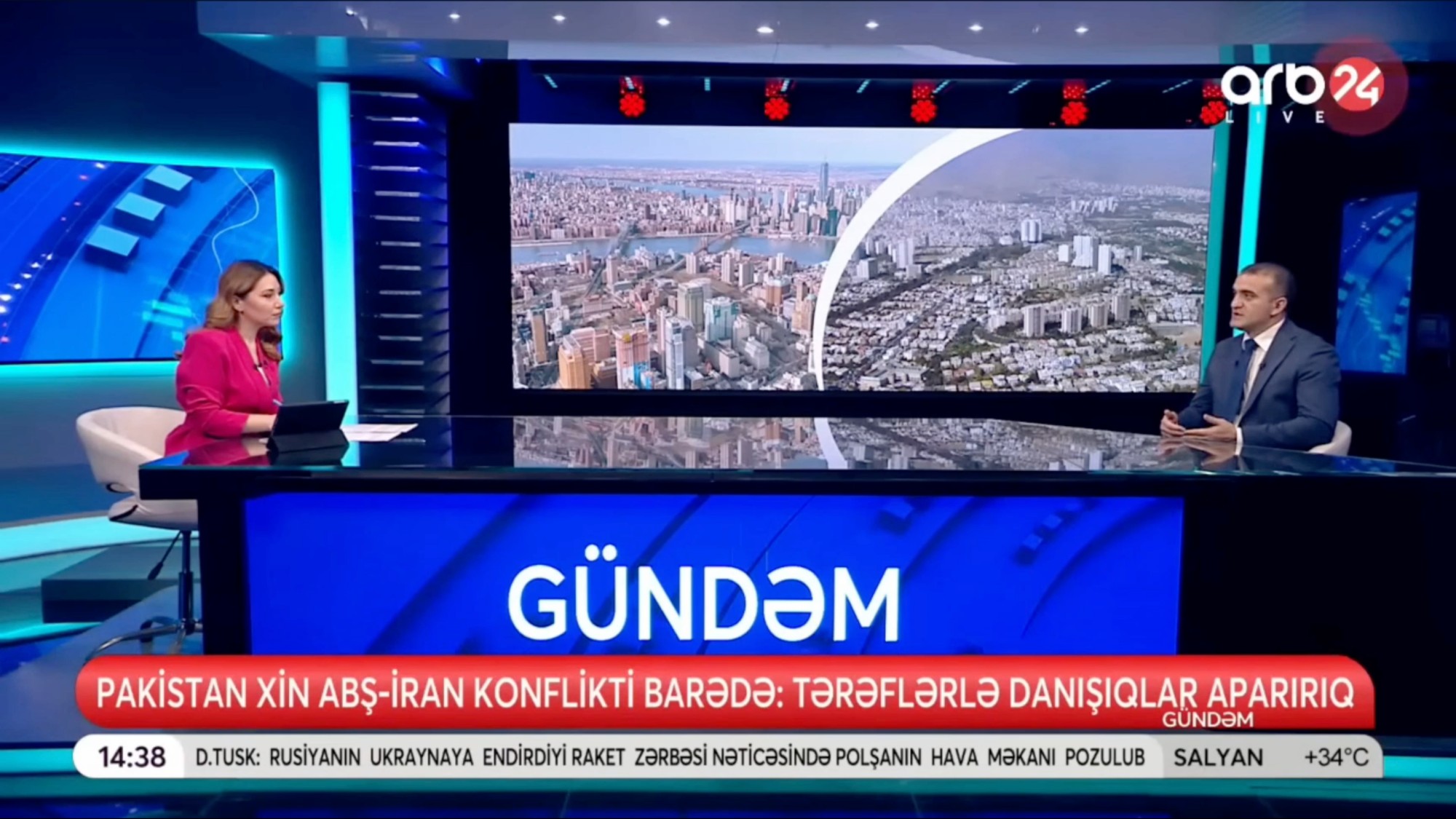
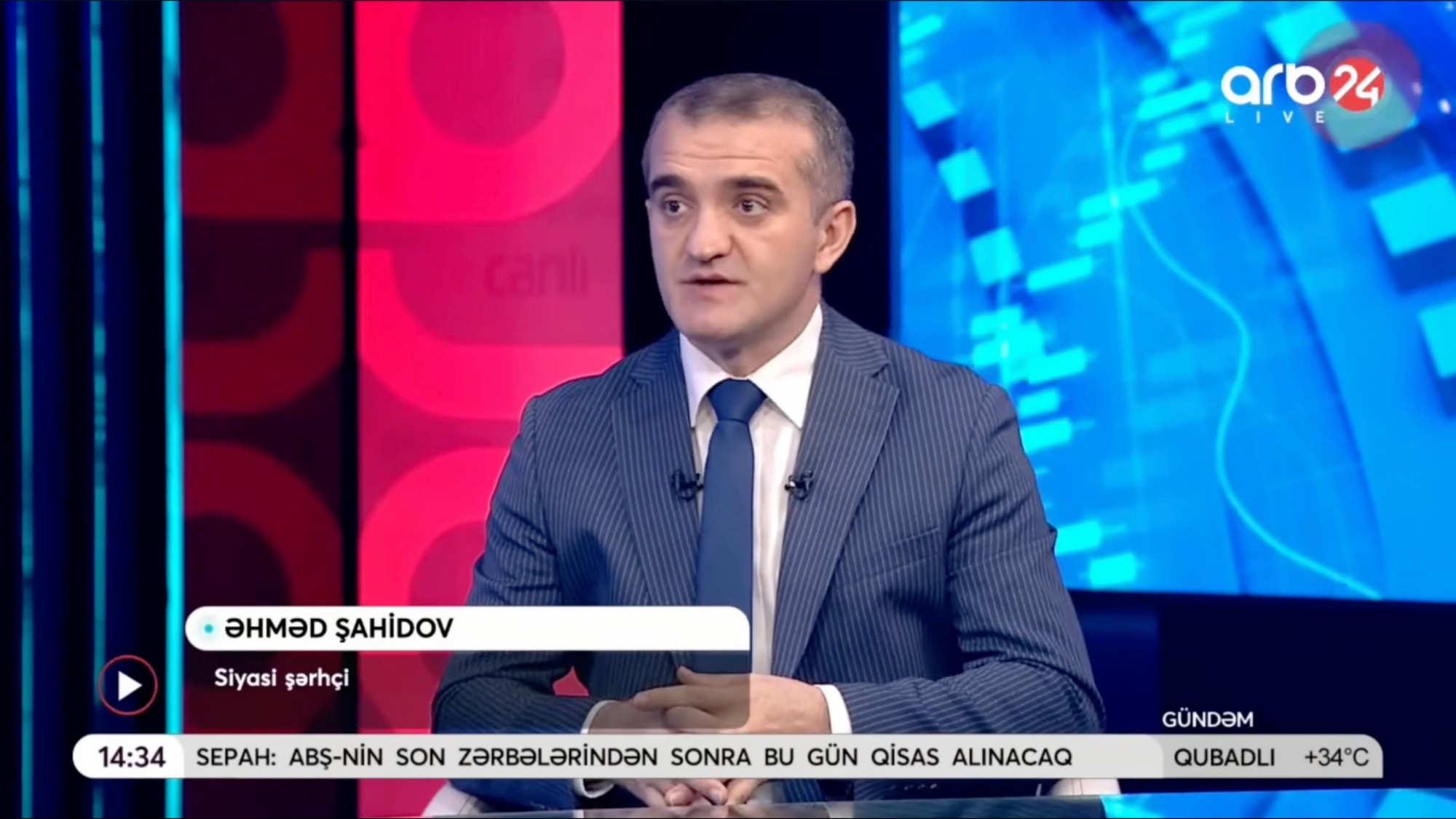
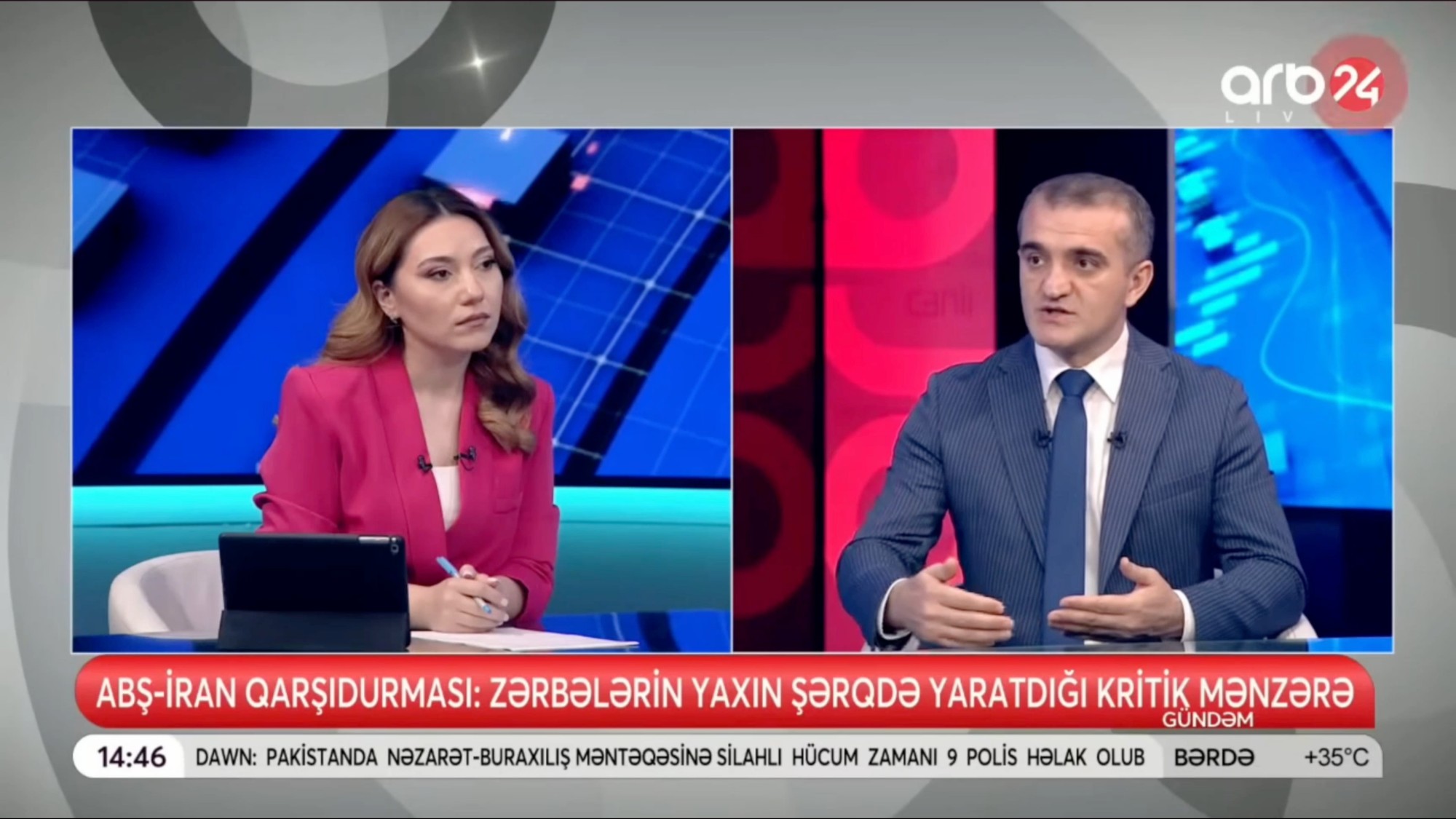
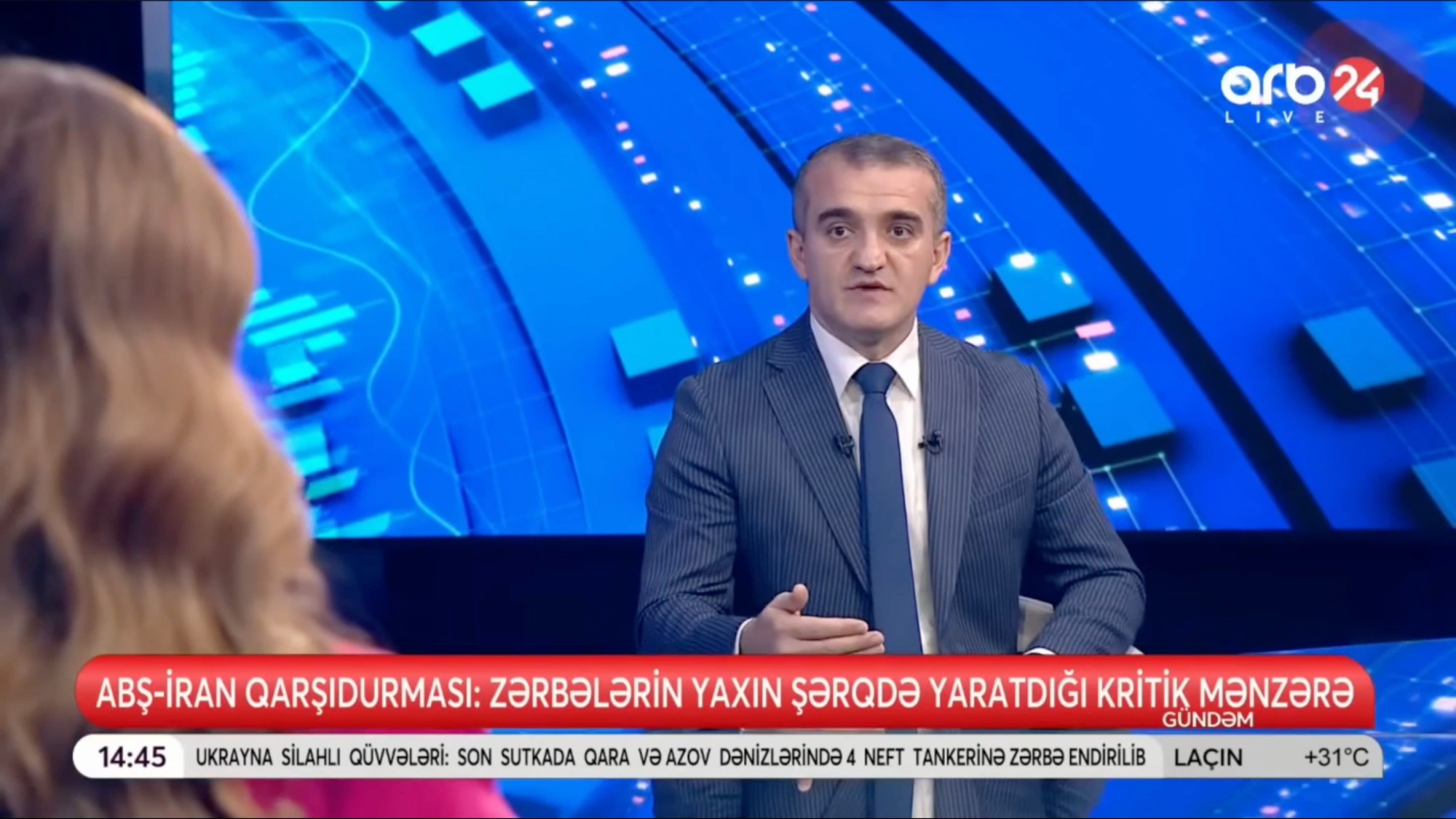
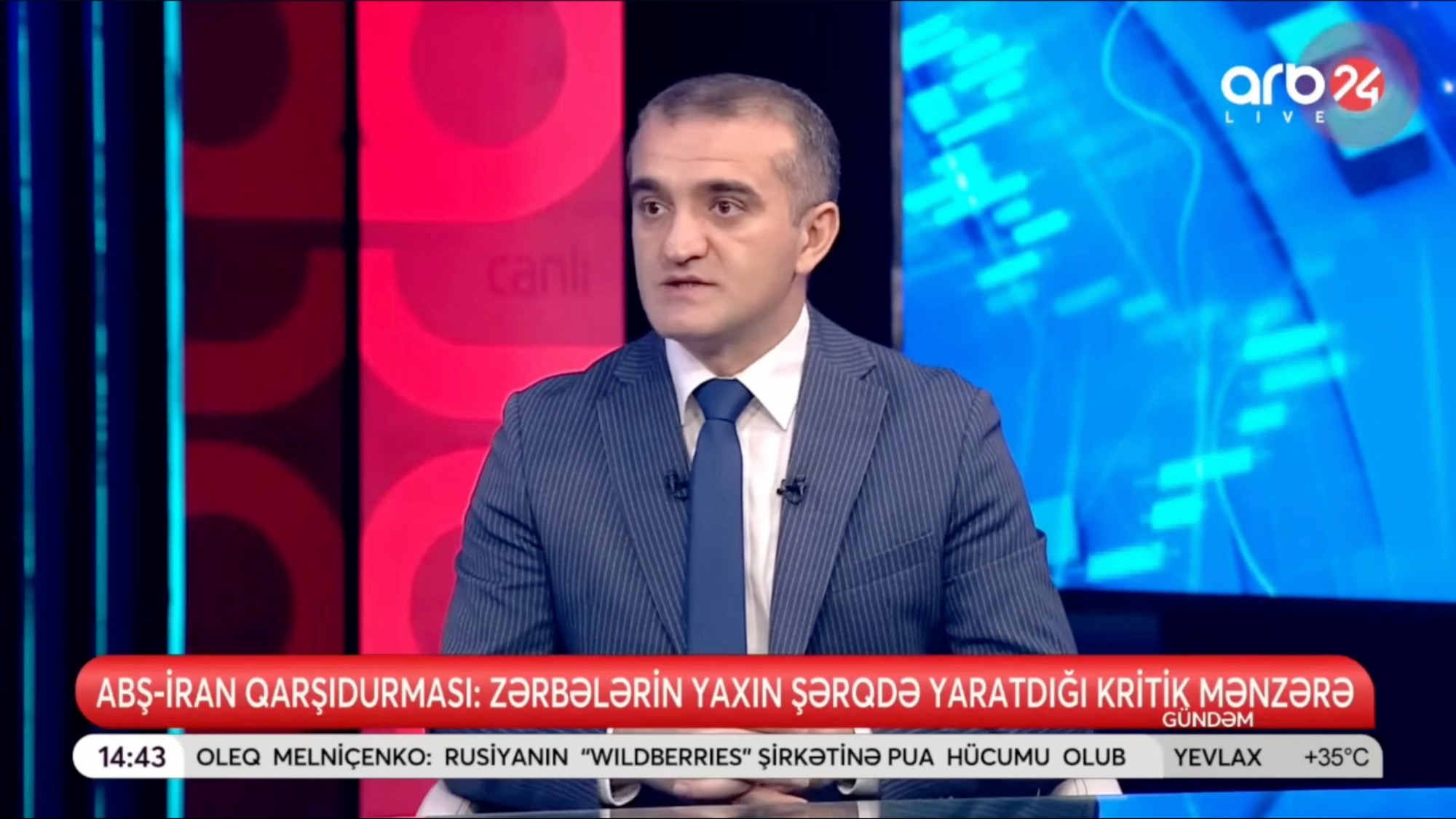
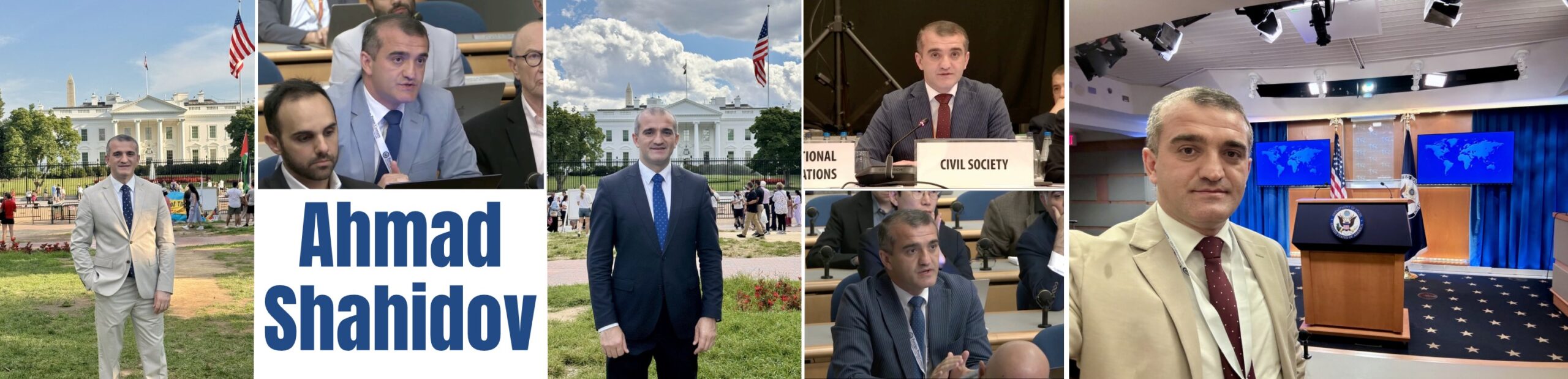
Speaking to ARB24 Television, political analyst Ahmad Shahidov stated that there is no guarantee the current U.S.-Iran confrontation will remain a limited conflict. According to him, the intensification of military operations could draw additional regional actors into the crisis, increasing the risk of a wider war. Shahidov noted that while mediation efforts continue, they have not yet produced tangible results, and neither direct nor indirect contacts between Washington and Tehran have been restored.
Ahmad Shahidov believes that the United States’ current strategy is to increase military and political pressure on Iran in order to force Tehran back to the negotiating table. He emphasized that, at this stage, Washington appears to view pressure as the only viable means of changing Iran’s position. In his view, only after such pressure succeeds can diplomatic negotiations resume and meaningful political dialogue between the two sides be restored.