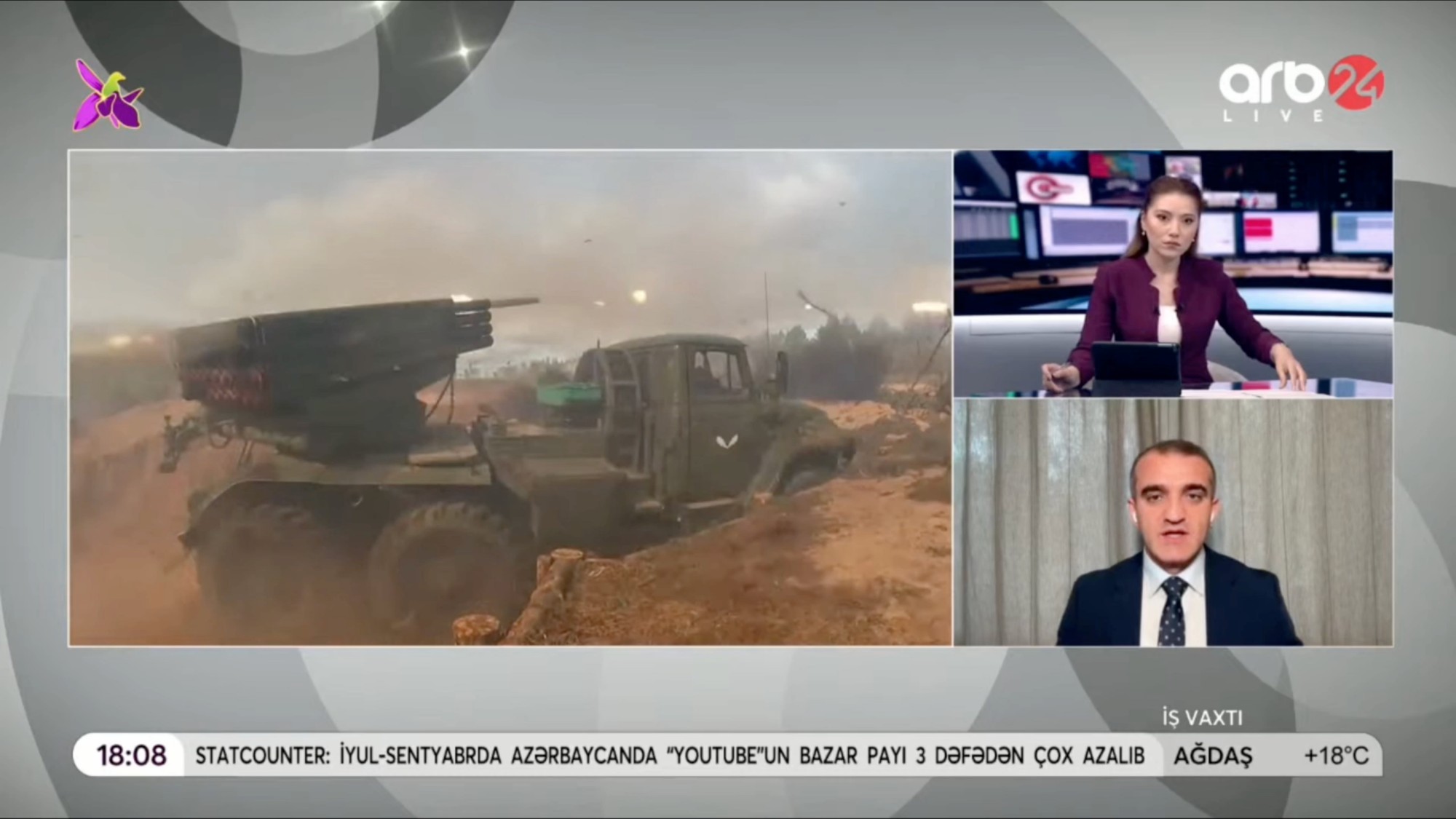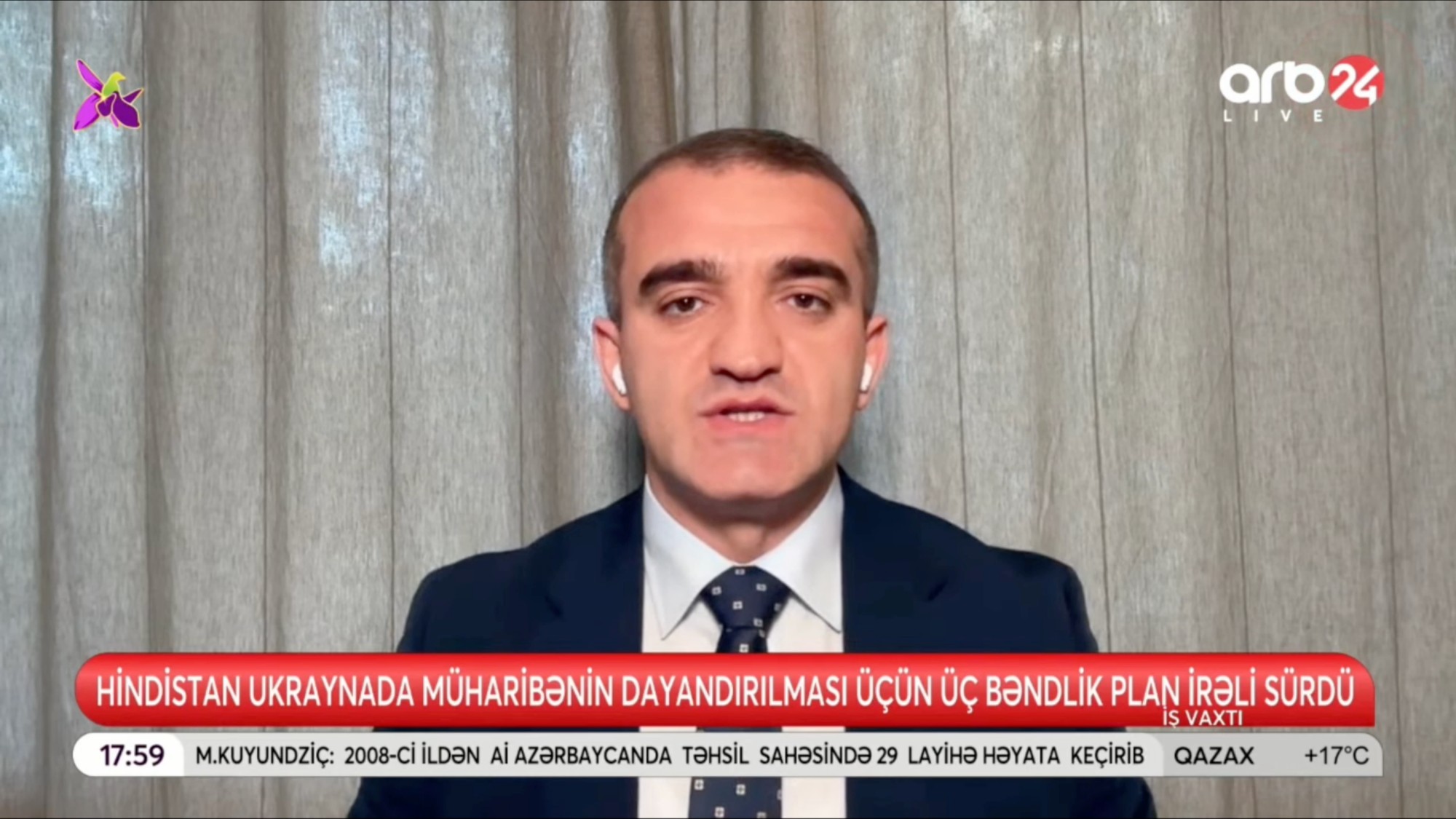
New diplomatic initiatives aimed at ending the Russia-Ukraine war are currently on the agenda. India has proposed a three-point ceasefire initiative calling for an end to attacks on energy infrastructure, the safe transportation of grain and energy through the Black Sea, and a halt to attacks on commercial vessels. Kremlin spokesman Dmitry Peskov said that Moscow welcomed India’s initiative and New Delhi’s willingness to contribute to the peace process.
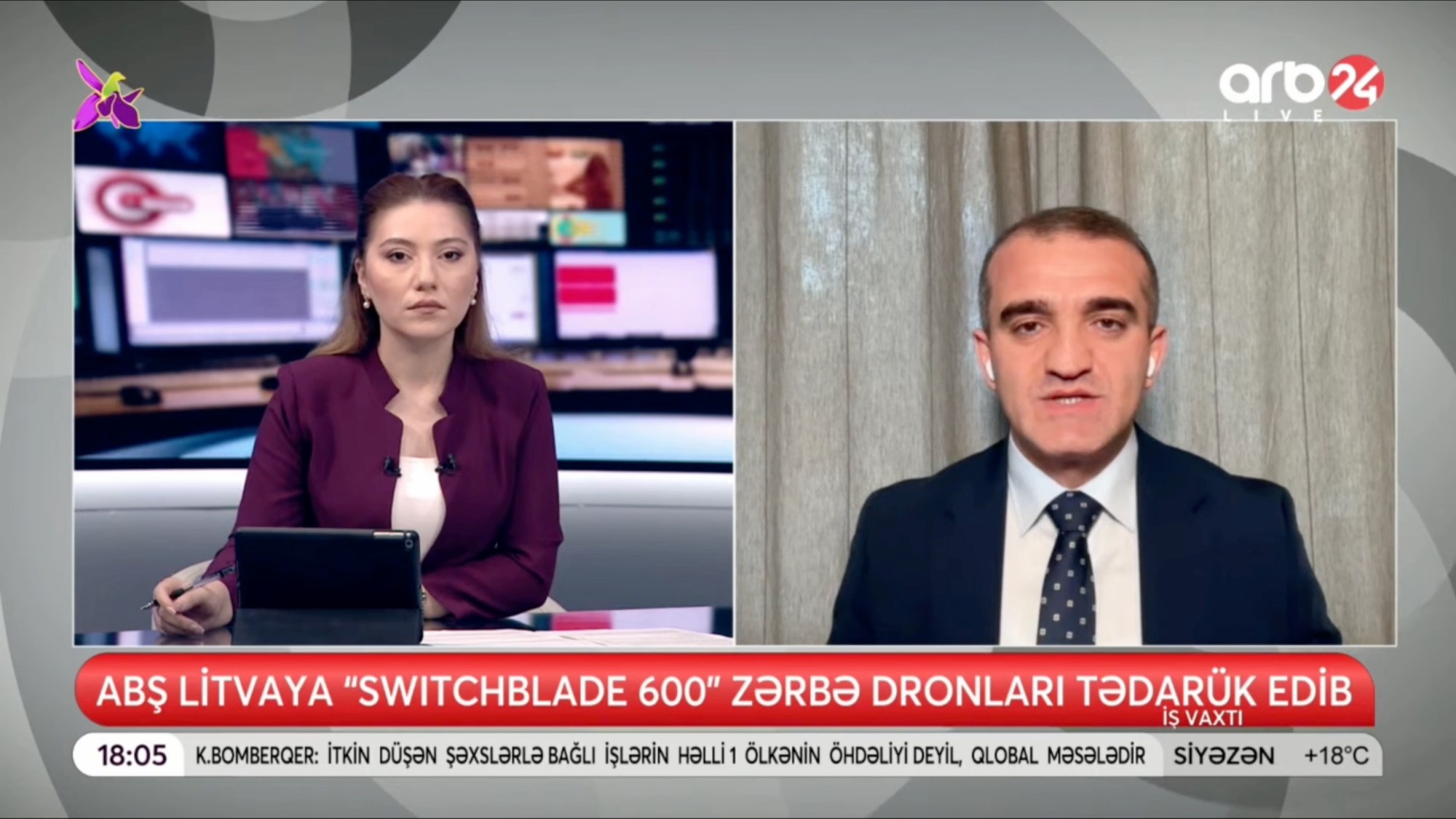
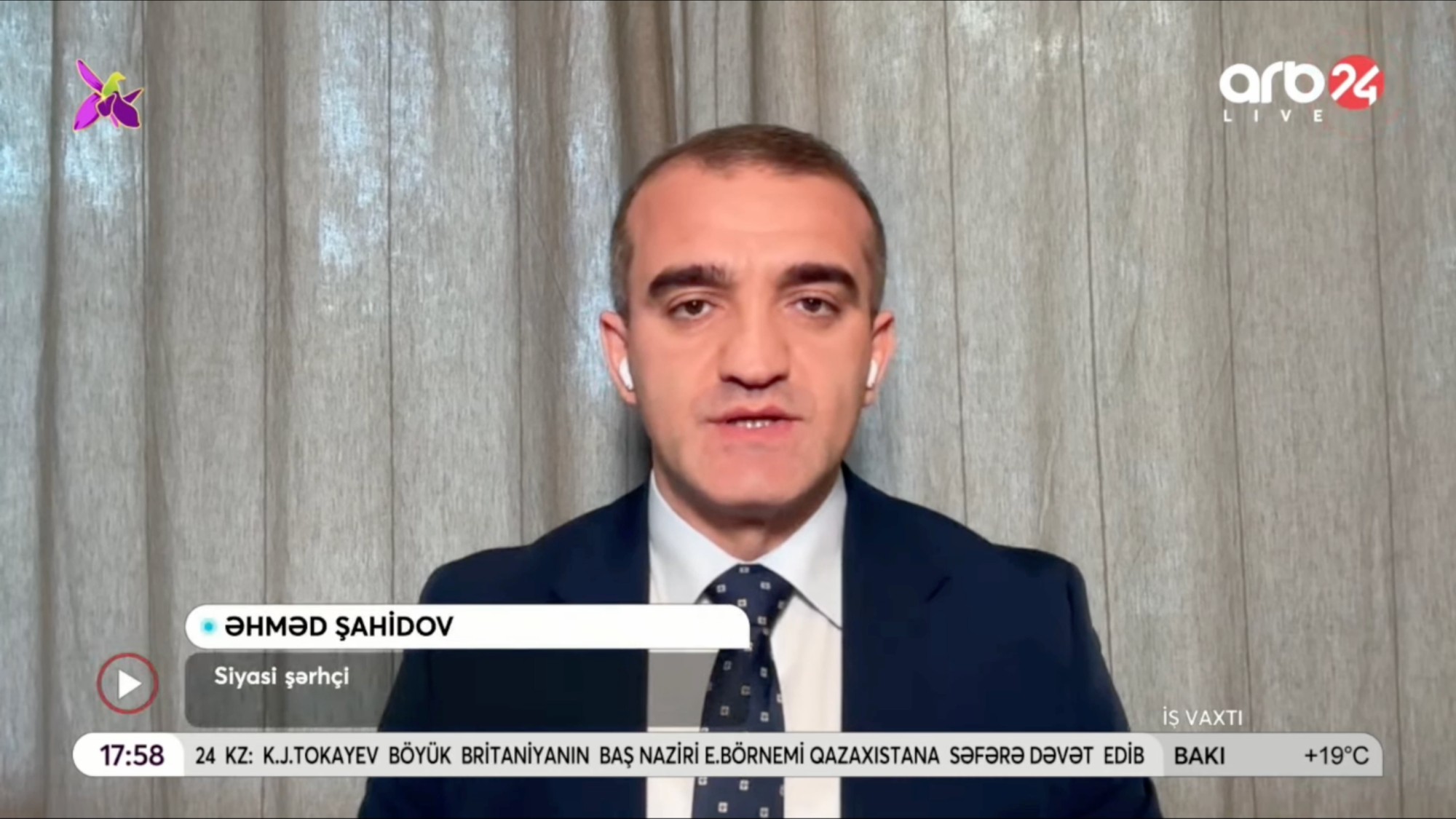
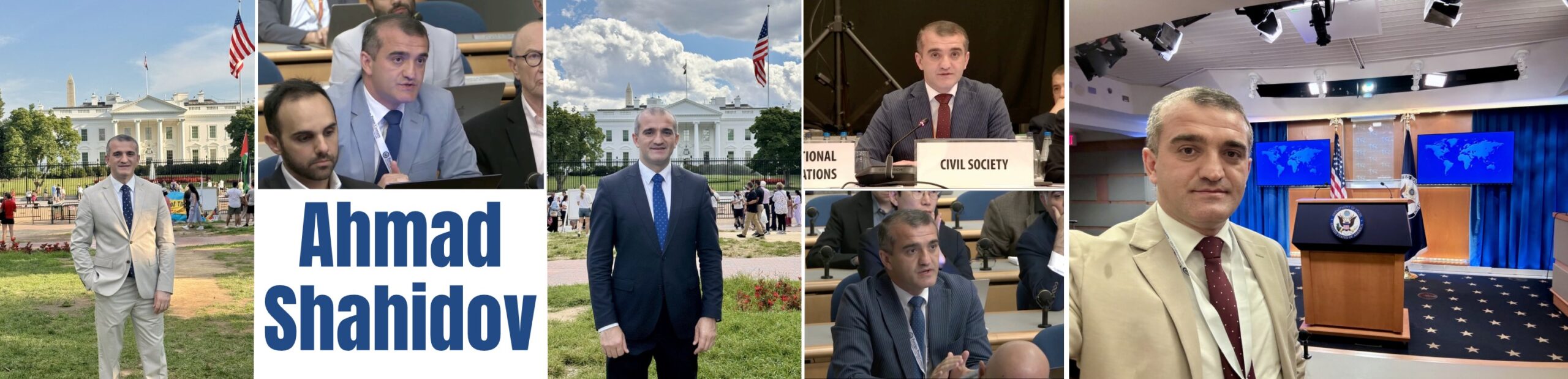
Political analyst Ahmad Shahidov, speaking to ARB24 Television, said that the Russia-Ukraine war is no longer merely a problem for the two countries or for Europe, as its negative consequences are being felt across a much wider geography stretching from Europe to Asia. According to Shahidov, the war is seriously damaging energy and food security, international trade, transportation routes and global economic stability. He noted that the risks facing commercial vessels in the Black Sea, attacks on energy infrastructure and disruptions to grain shipments demonstrate that the consequences of the conflict extend far beyond the battlefield.
Ahmad Shahidov said that while India’s initiative represents a positive diplomatic signal, the chances of achieving peace in the Russia-Ukraine war in the near future are almost zero. He stressed that the fundamental positions of the two sides remain significantly far apart and that, at the current stage, a more realistic scenario would be limited and phased ceasefire agreements before any comprehensive peace deal. According to Shahidov, halting attacks on energy facilities, ports and commercial vessels could serve as an initial step toward rebuilding trust between the parties. However, he emphasized that under the current circumstances, expecting a final peace agreement in the near future would not be realistic.