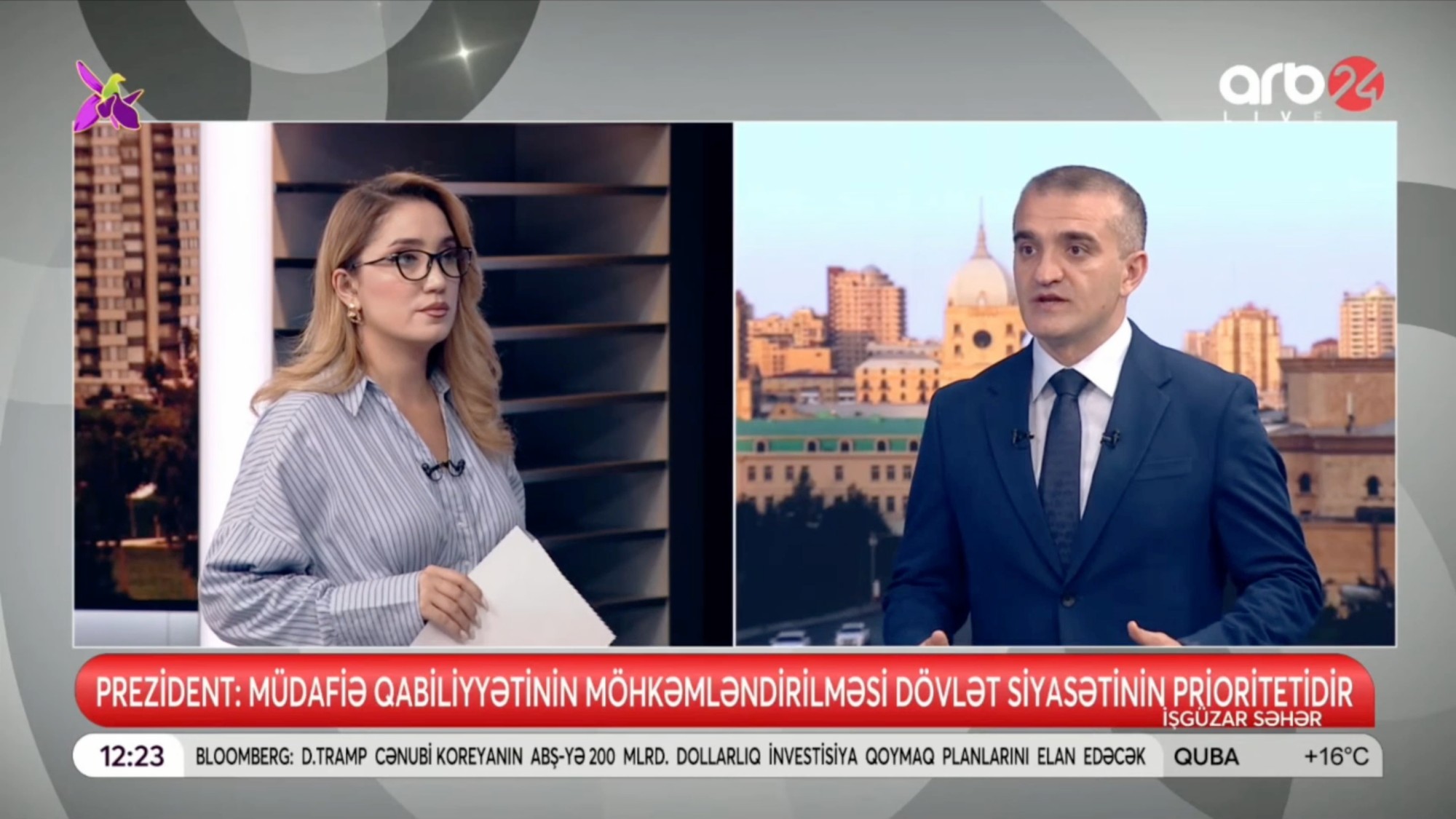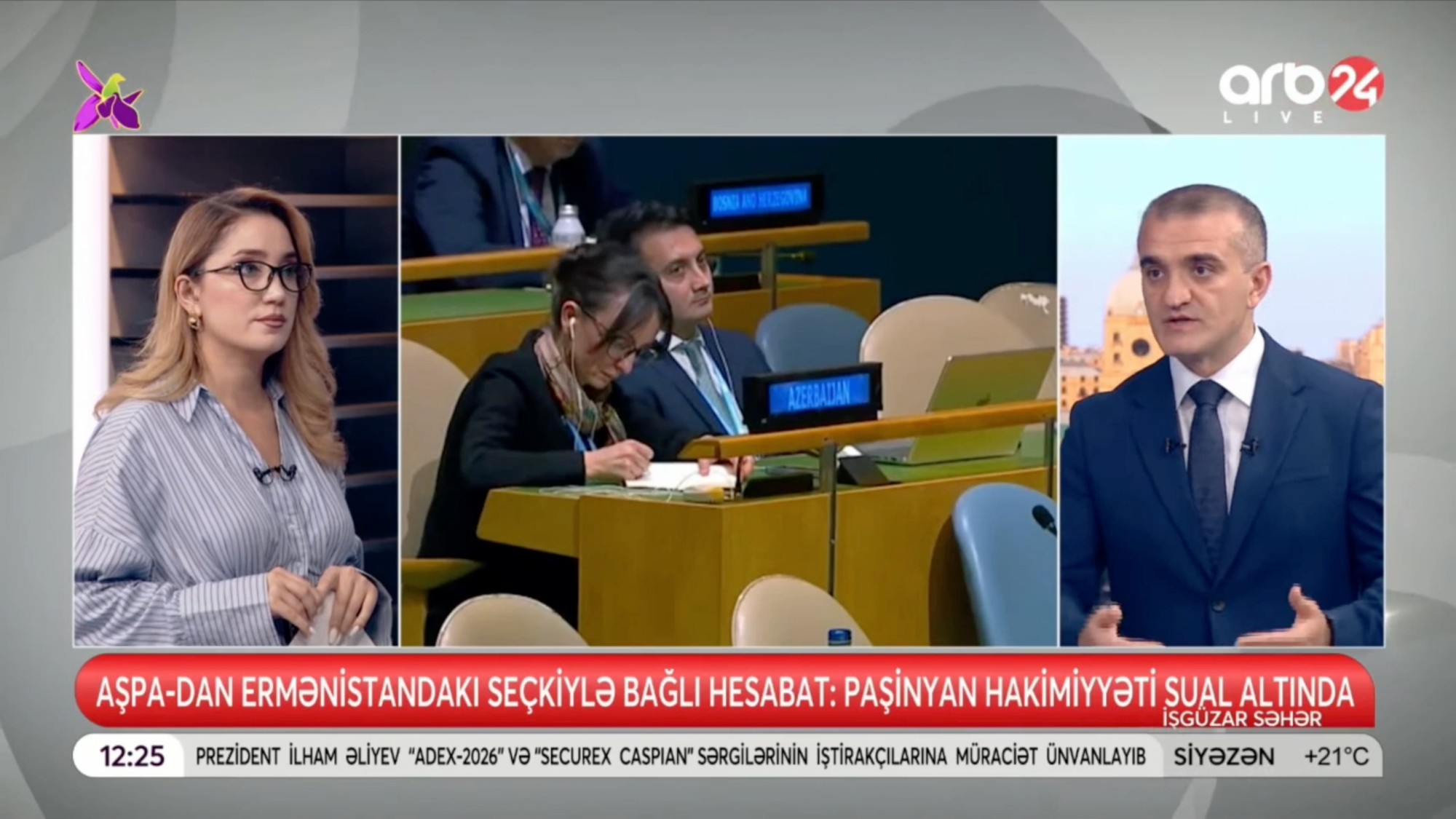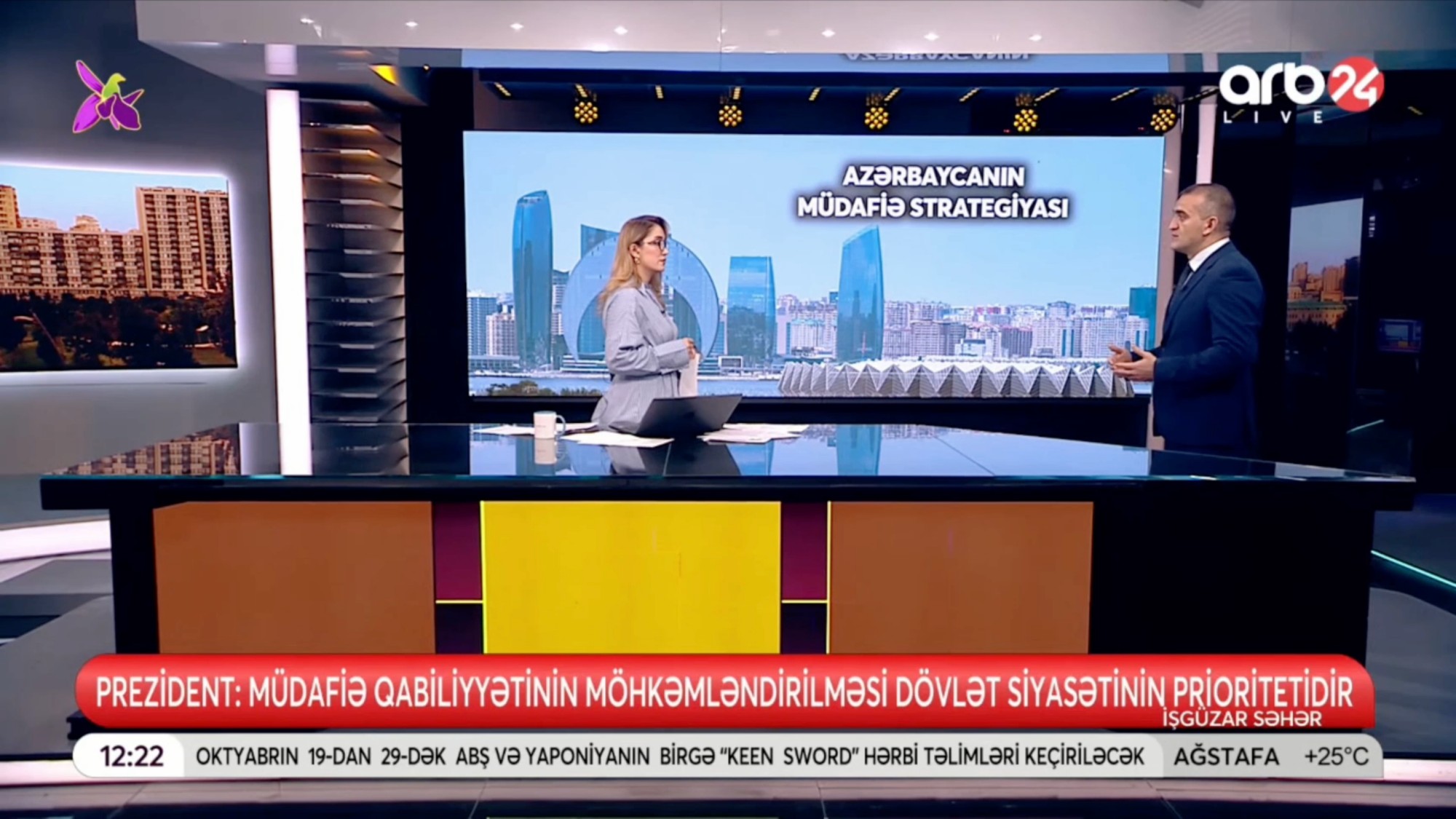
Against the backdrop of recent processes in the South Caucasus, the successful development of Azerbaijan’s defense-industrial complex and the expansion of its domestic production potential remain in the primary focus. In parallel, the discussion of parliamentary elections held in neighboring Armenia by international organizations, the applied approaches, as well as the deepening confrontation between the government and the Armenian Apostolic Church within the country, are among the key factors characterizing the socio-political landscape of the region.
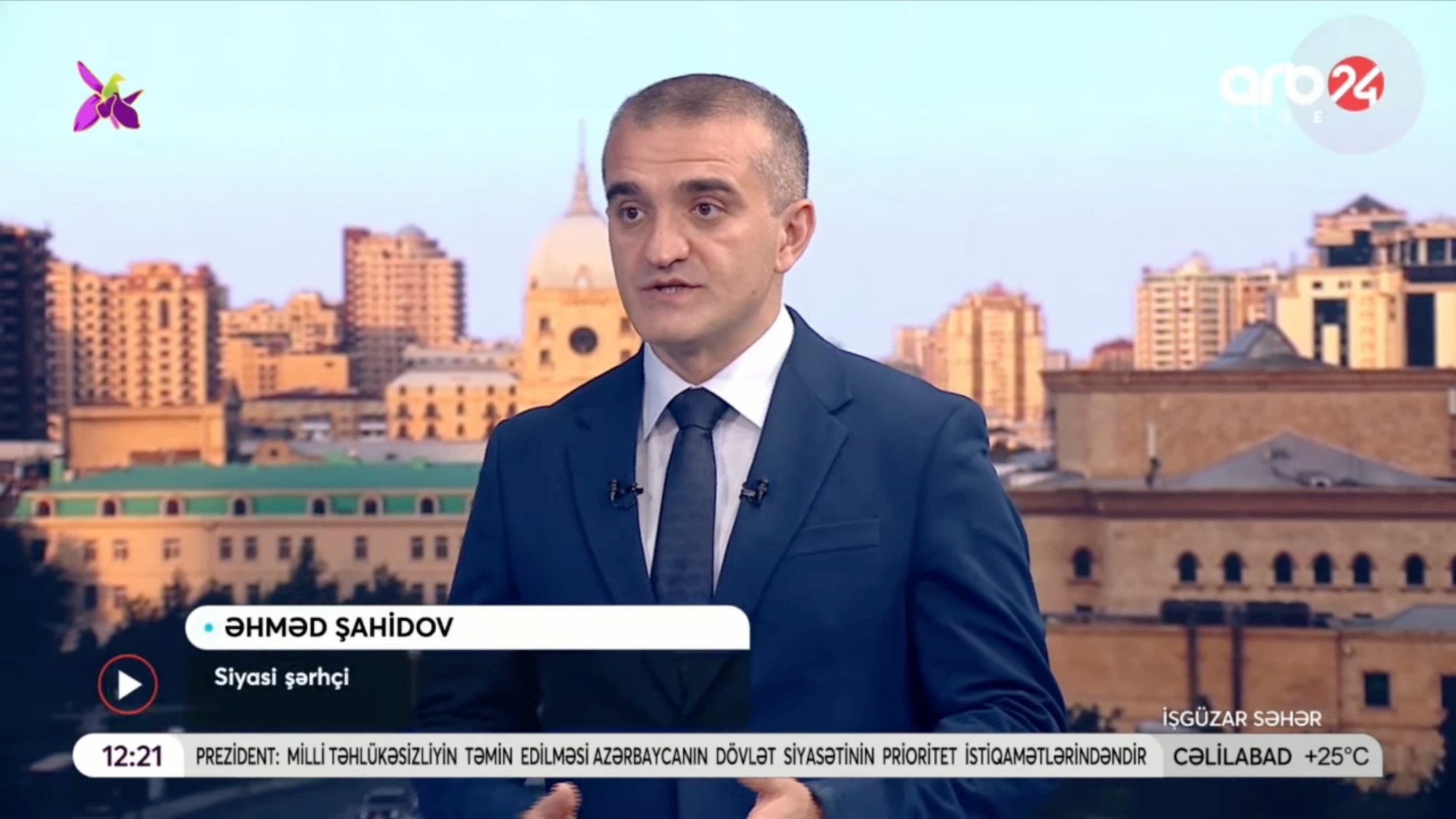
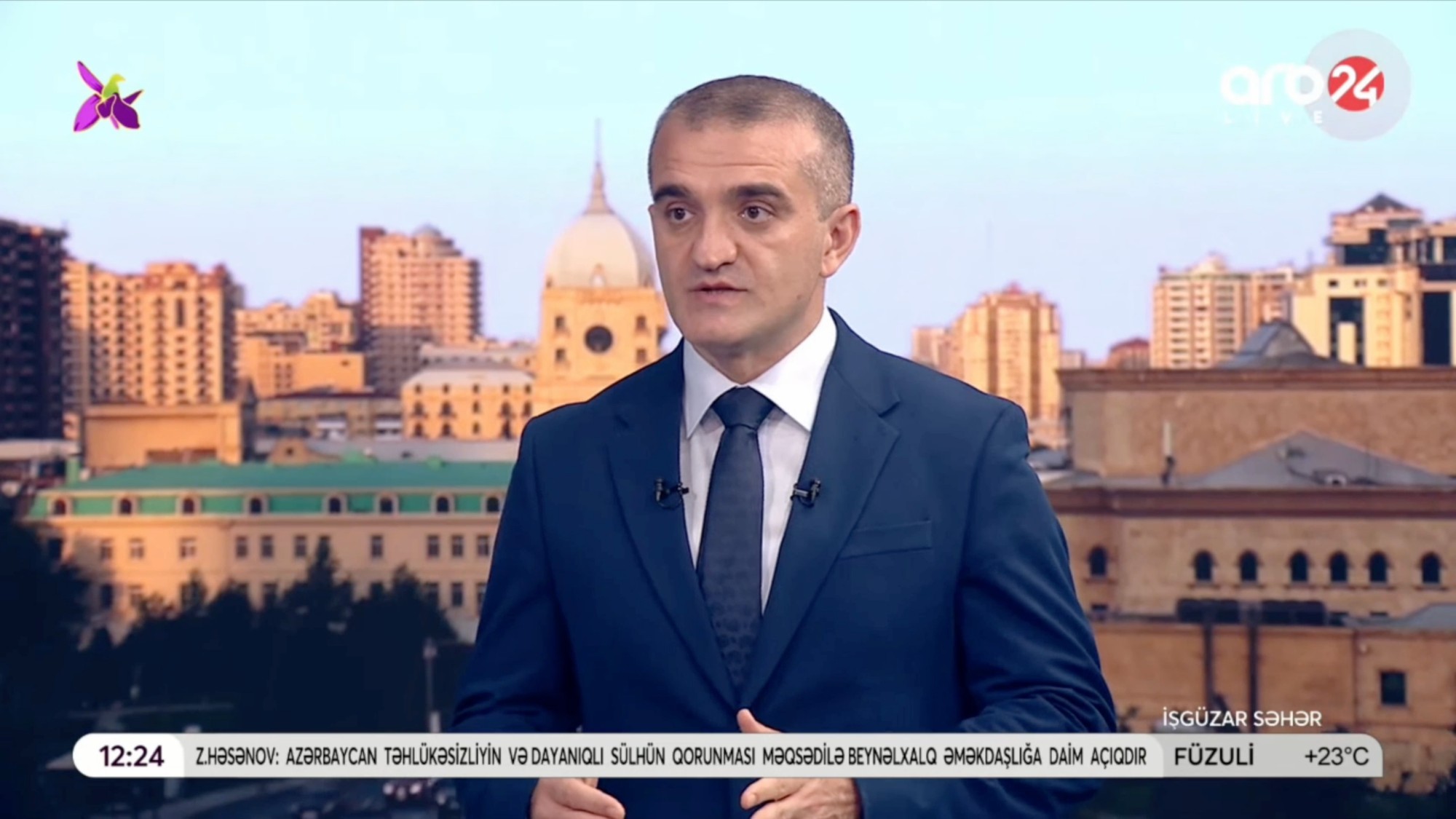
Speaking to ARB24 Television on the matter, political analyst Ahmad Shahidov stated that following the 44-day Second Karabakh War, Azerbaijan has continued to consistently develop its defense industry, and the Azerbaijani army is now equipped with modern locally produced weapons. The expert noted that the country not only meets its domestic demand but also brings high-quality military products to world markets, with many foreign countries currently showing keen interest in and actively acquiring weapons manufactured by Azerbaijan.
Touching upon the processes in Armenia, the political analyst stated that the rather mild criticism of the elections in Armenia on international platforms and the acceptance of their results represent another manifestation of double standards displayed by international institutions toward Azerbaijan and Armenia. He emphasized that structures which always use harsh rhetoric regarding elections in Azerbaijan make concessions when it comes to Armenia; at the same time, the struggle between Nikol Pashinyan’s government and the Armenian Church, particularly Catholicos Garegin II, is intensifying, and the church—backed by the Armenian diaspora and Russia—holds serious socio-political influence within Armenia.