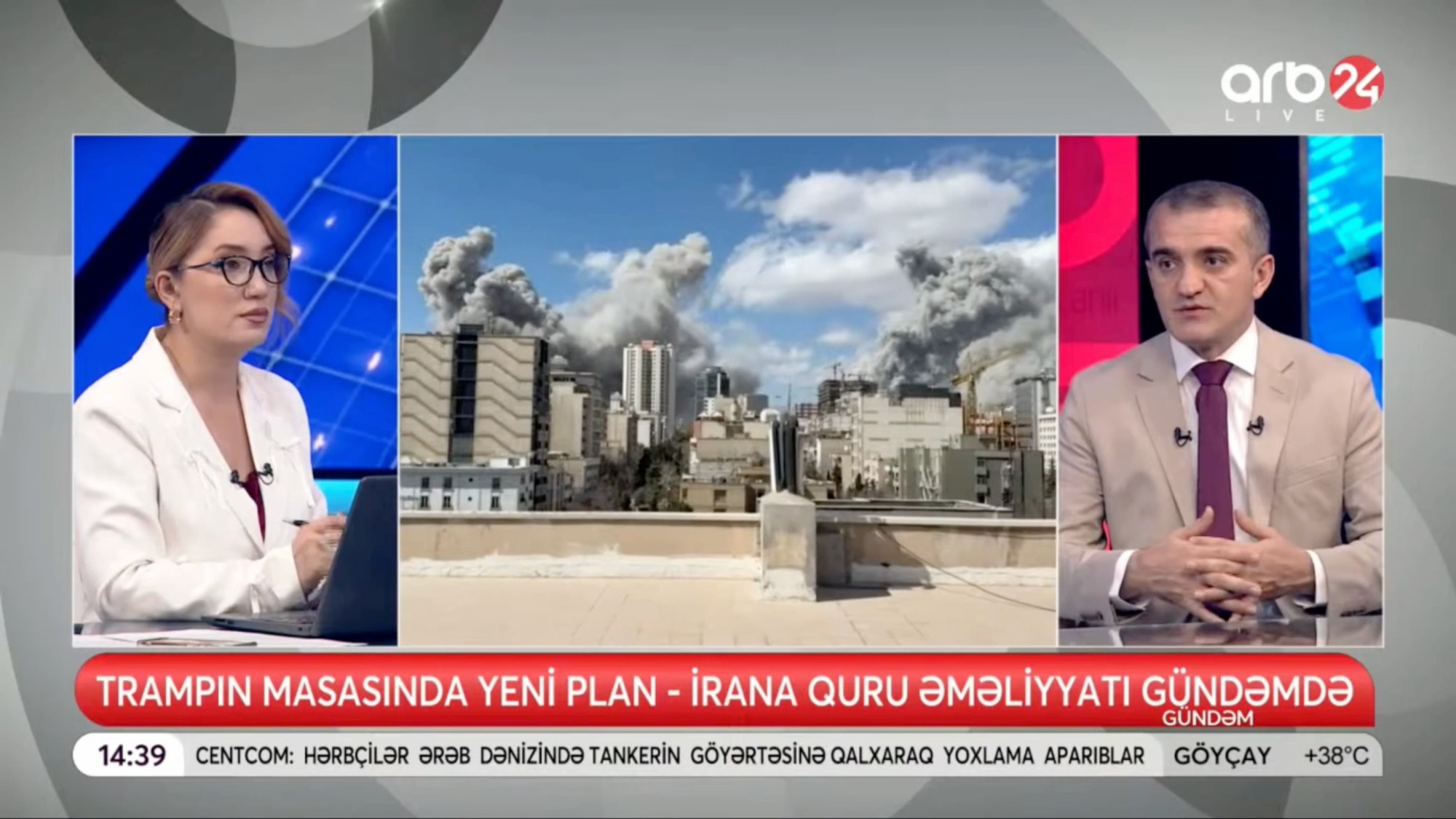
US President Donald Trump’s decision to halt military operations against Iran following two days of intensive airstrikes, coupled with Tehran’s announcement that it would also suspend its missile attacks, has raised hopes of a temporary reduction in regional tensions. Nevertheless, it remains unclear whether this fragile pause will hold, as international observers believe that alongside diplomatic efforts, new military scenarios are still under consideration.
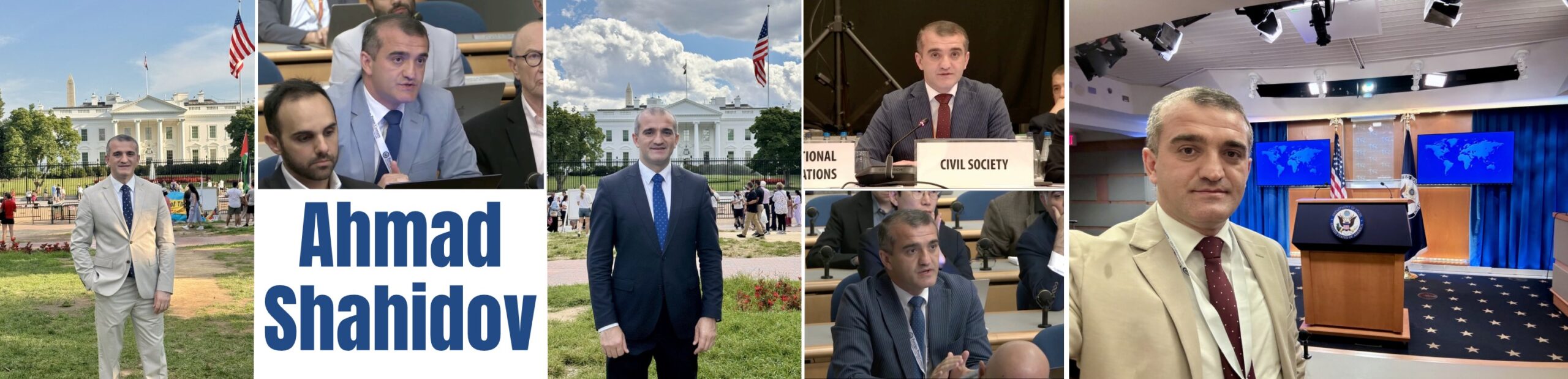
Speaking on ARB24 Television, political analyst Ahmad Shahidov said the current situation should not be viewed as the end of the conflict but rather as a tactical pause. According to him, the US administration is considering all available options regarding Iran’s stockpile of highly enriched uranium, while international media have reported on the possibility of operations involving US special forces. Shahidov noted that the tightening of security around Iran’s nuclear facilities, particularly in Fordow and Isfahan, suggests that tensions could escalate again in the coming days. He also stressed that Iranian Foreign Minister Abbas Araghchi’s statement that Iran’s primary targets are US military bases—not neighbouring countries—could further complicate the regional security environment.
According to Ahmad Shahidov, the greatest risk is that the geographical scope of the US-Iran conflict could widen significantly. He said the involvement of additional actors cannot be ruled out, adding that recent tensions surrounding an attack on an Iranian vessel in the Caspian Sea could further strain relations between Iran and Ukraine. In his view, such developments could create new geopolitical links between the Russia-Ukraine war and the Middle East conflict, increasing the risk of the confrontation evolving from a regional crisis into a broader international security challenge.