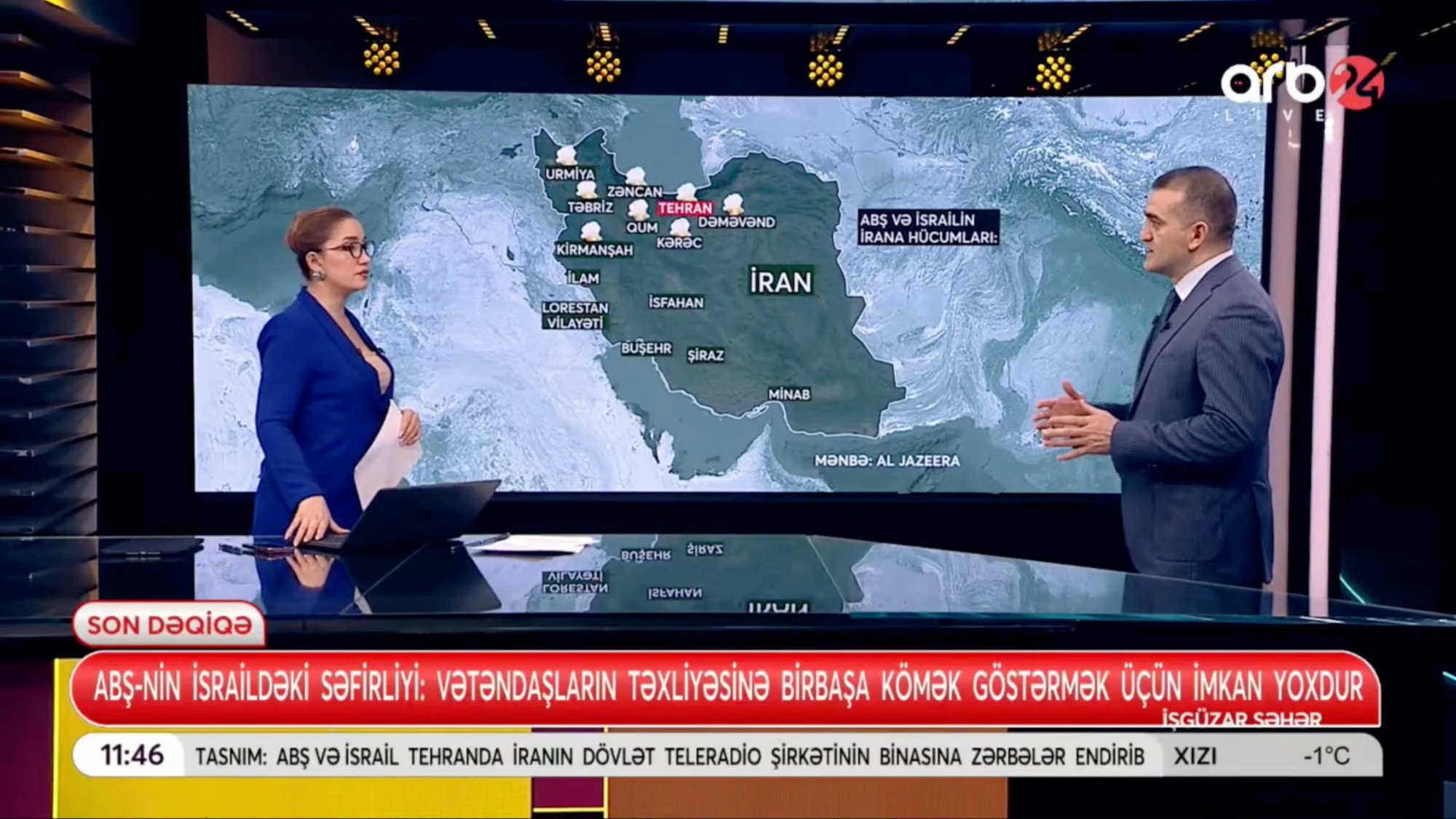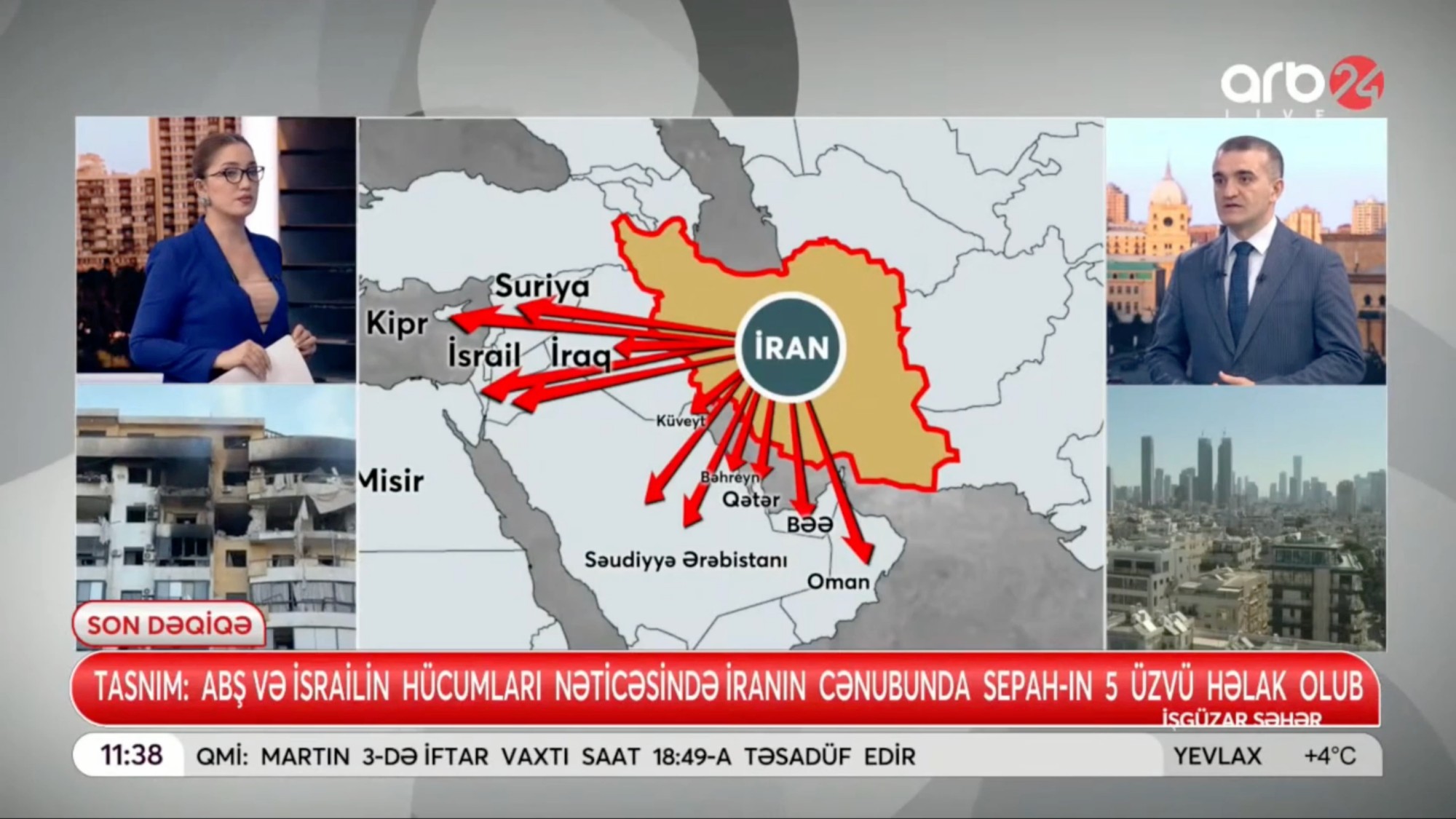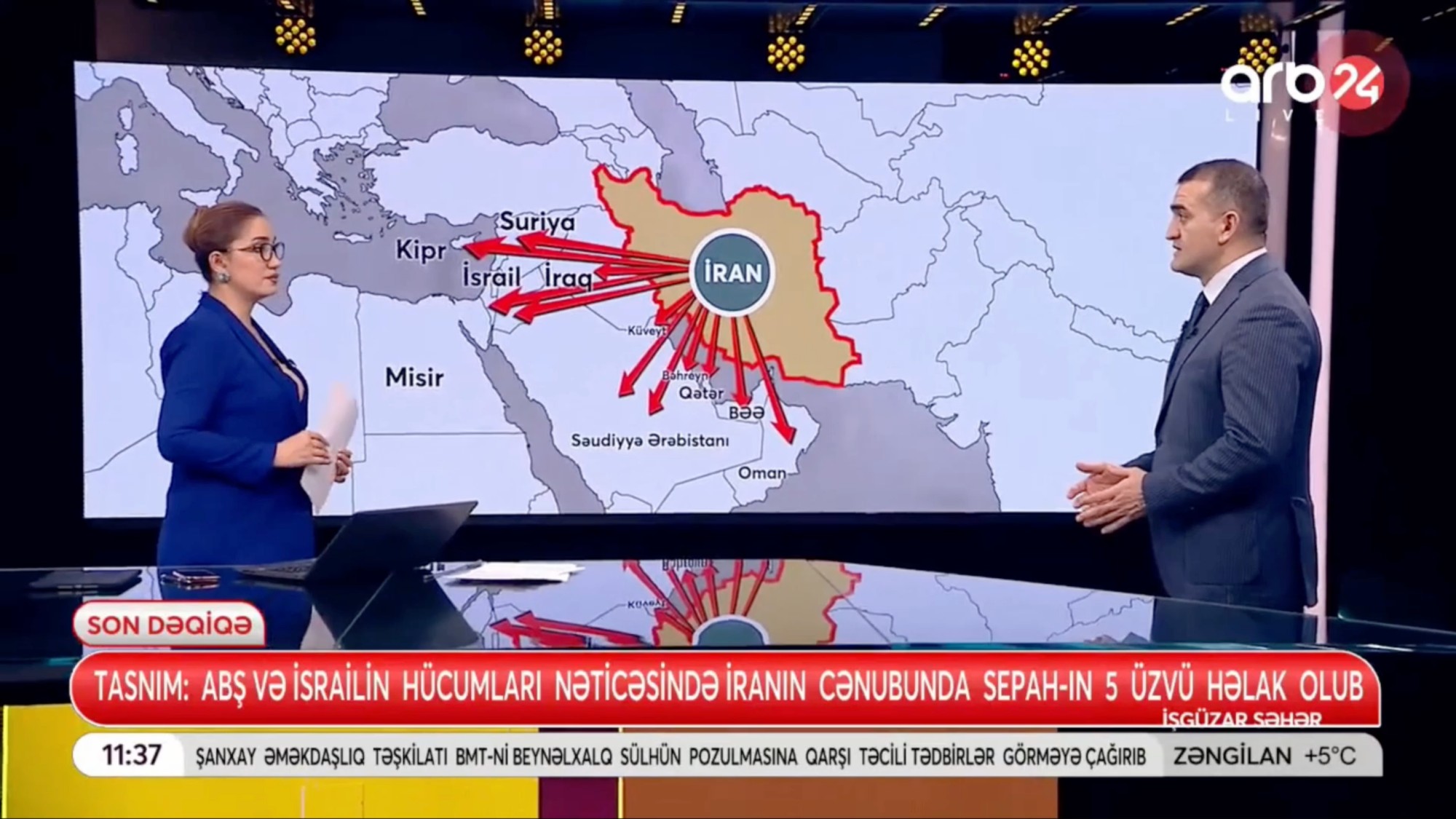
As military operations by the United States and Israel against Iran continue in the Middle East, the killing of Iran’s Supreme Leader Ali Khamenei has further escalated regional tensions. Contrary to expectations, this development did not trigger internal fragmentation or civil unrest inside Iran. Instead, it strengthened social unity and national mobilization. As a result, Iran intensified its retaliatory missile strikes, pushing the conflict into a more severe phase.
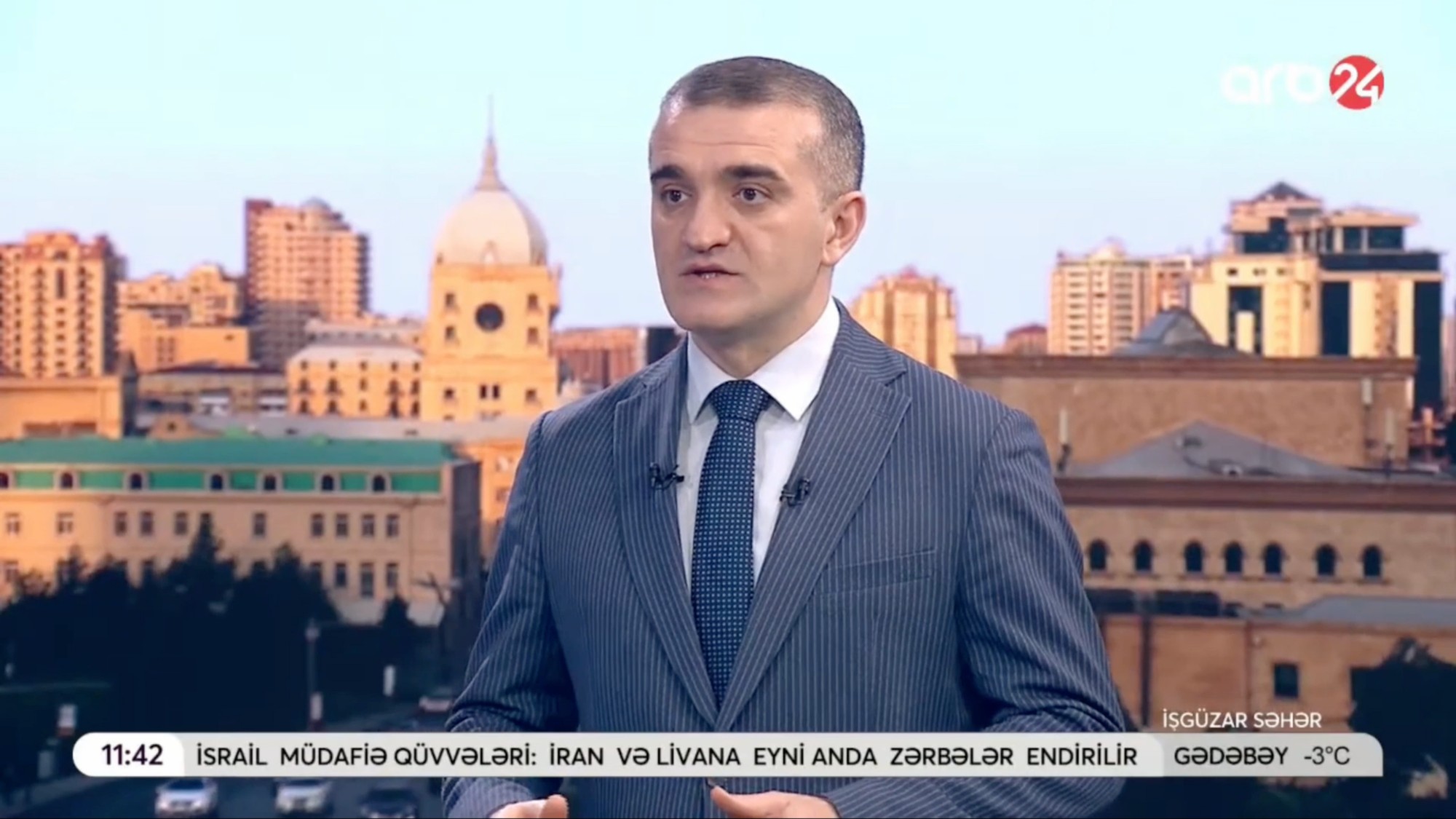
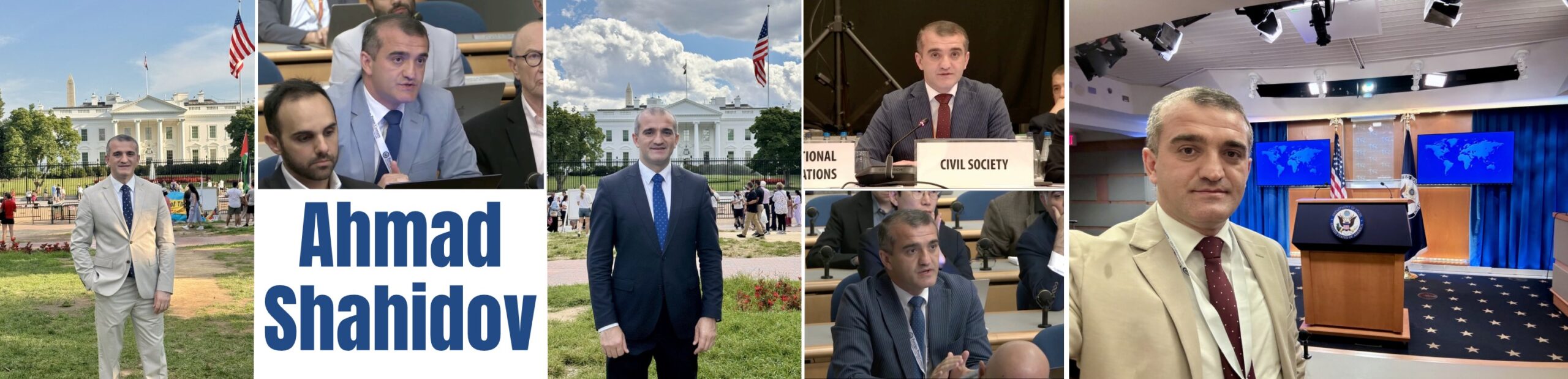
Political analyst Ahmad Shahidov stated during his appearance on ARB24 Televiziyası that other countries may eventually join the military operations carried out by the US and Israel against Iran. According to him, while Iran was expected to weaken internally after Khamenei’s killing, the opposite occurred, with Tehran adopting a tougher military and political stance.
Ahmad Shahidov emphasized that Iran is a large state with substantial military capabilities and significant regional influence, making the war extremely challenging for the US and Israel. In his view, current developments indicate that the conflict is unlikely to end quickly and may instead evolve into a prolonged and multi-dimensional war, posing serious risks to both regional and global security.