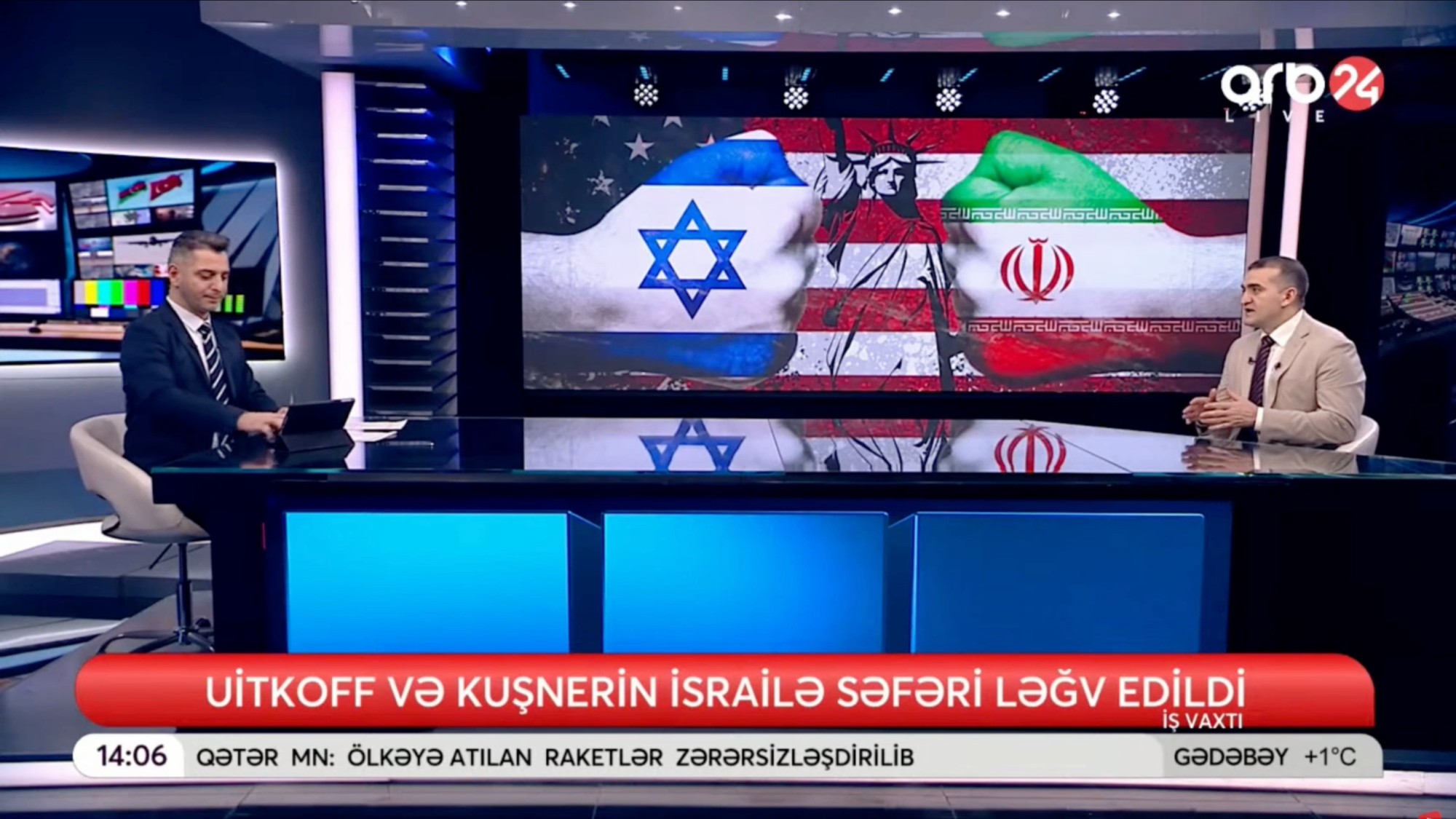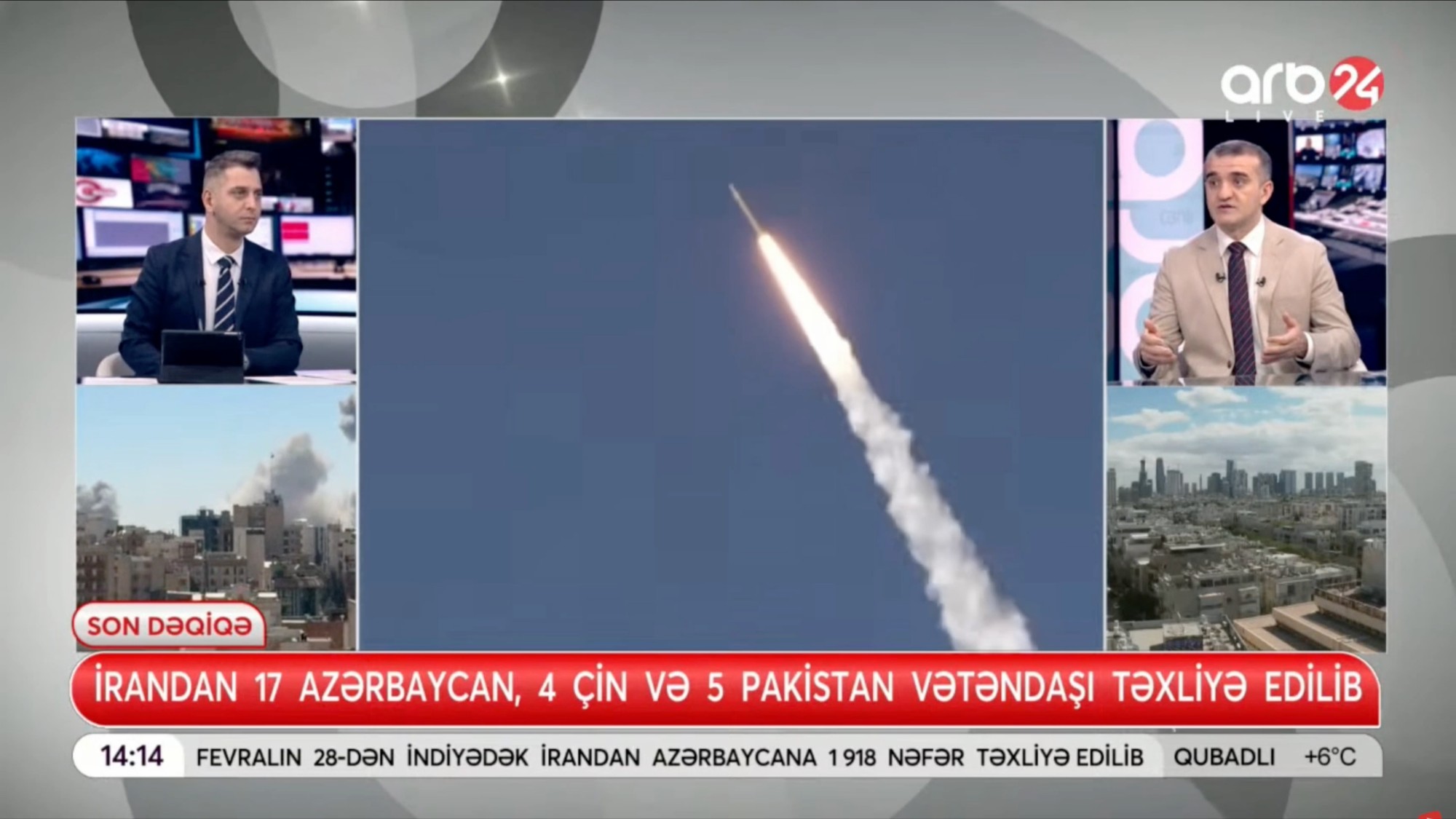
Tensions in the region continue to rise as the military operations carried out by the United States and Israel against Iran persist. As the war enters its tenth day, Iranian territory is being regularly bombed, while Tehran is responding with missile strikes. Recent developments, including the selection of a new Supreme Leader in Iran, have brought political and military processes in the region into sharper focus.
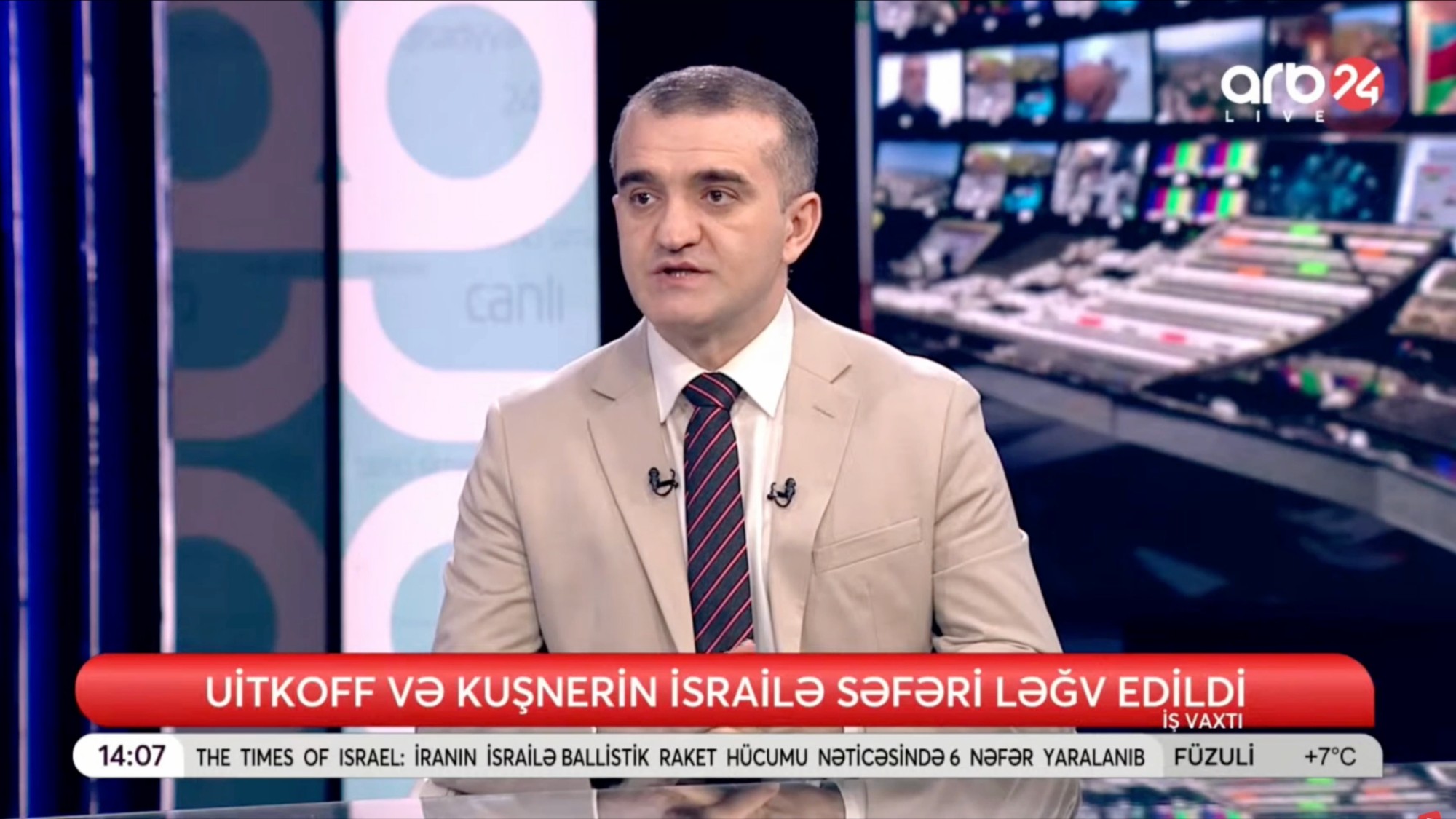
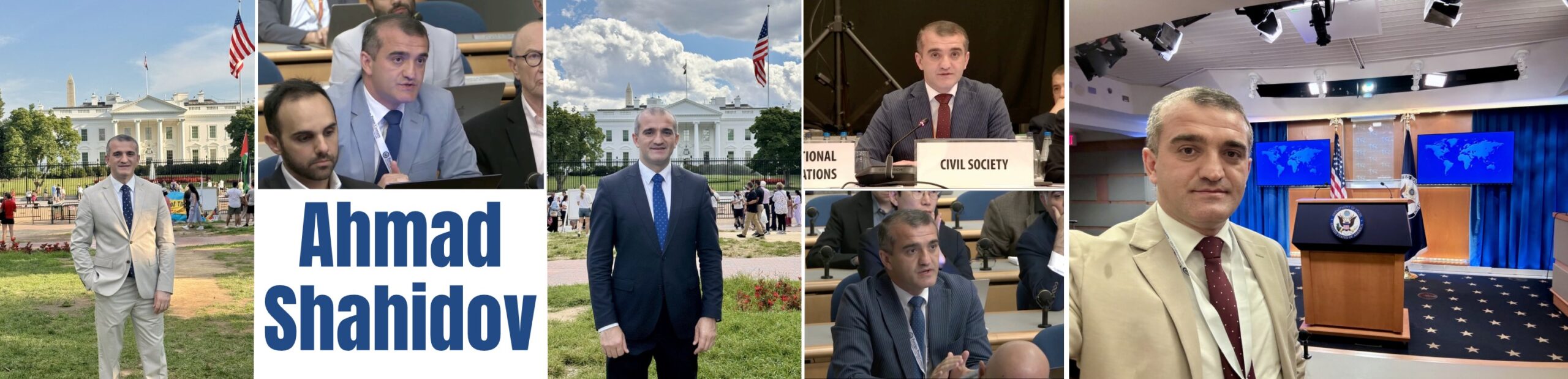
Speaking to ARB24 Television, political analyst Ahmad Shahidov said the current situation indicates that the conflict will not end in the short term. According to him, contrary to the expectations of the United States and Israel, the Iranian government does not appear ready to sign a capitulation agreement, and there is no serious political fragmentation within the country. On the contrary, following the death of the Supreme Leader, a certain level of unity and political consolidation has emerged inside Iran.
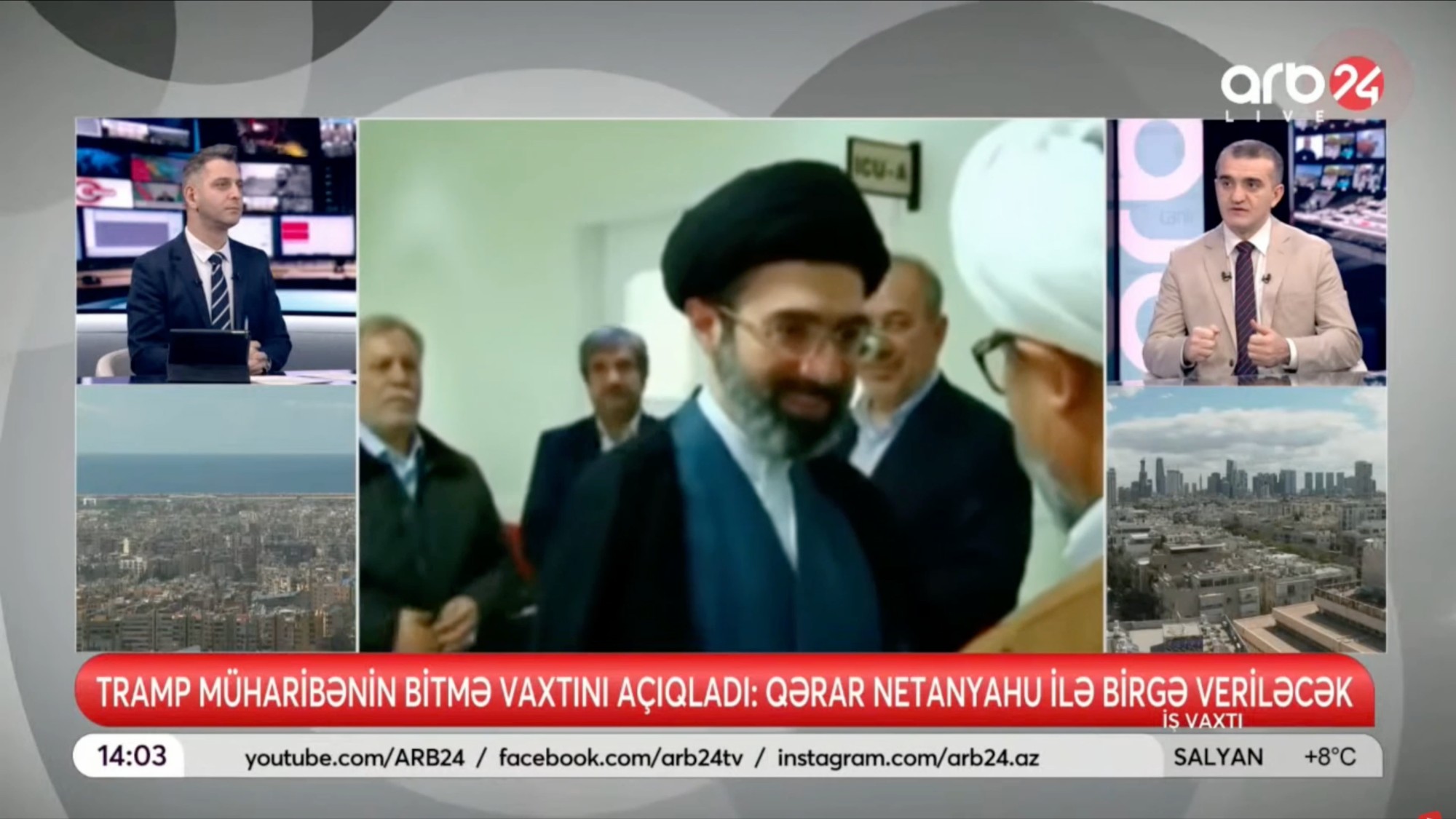
Ahmad Shahidov also noted that the rise of Mojtaba Khamenei as a potential new Supreme Leader increases the likelihood that the war will continue: “The current developments show that Tehran has no intention of stepping back. Despite the military pressure from the United States and Israel, there is no civil war or collapse of the government inside Iran. This suggests that the war around Iran may not remain limited to two sides and could evolve into a long-term confrontation involving other countries in the region.”