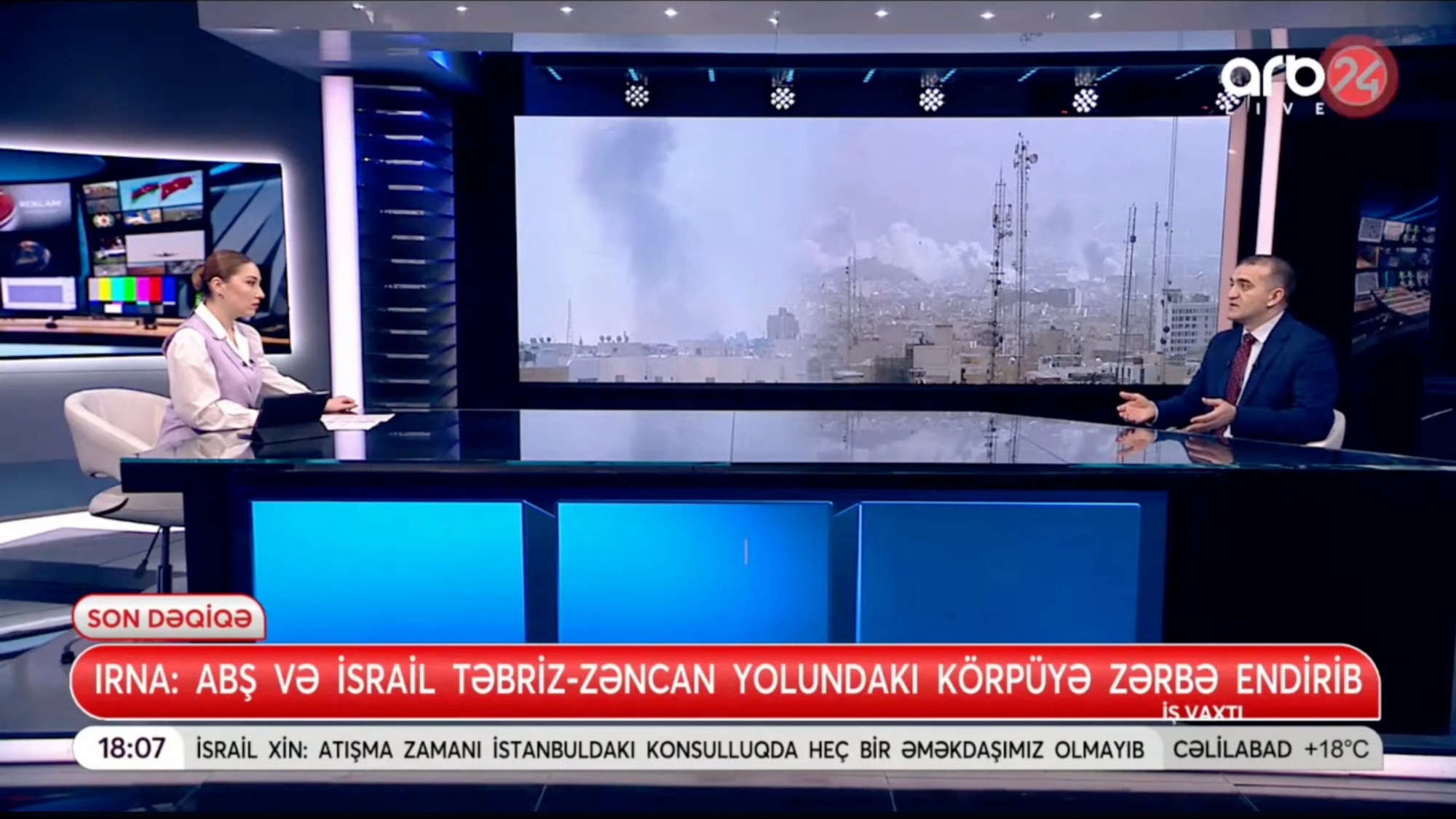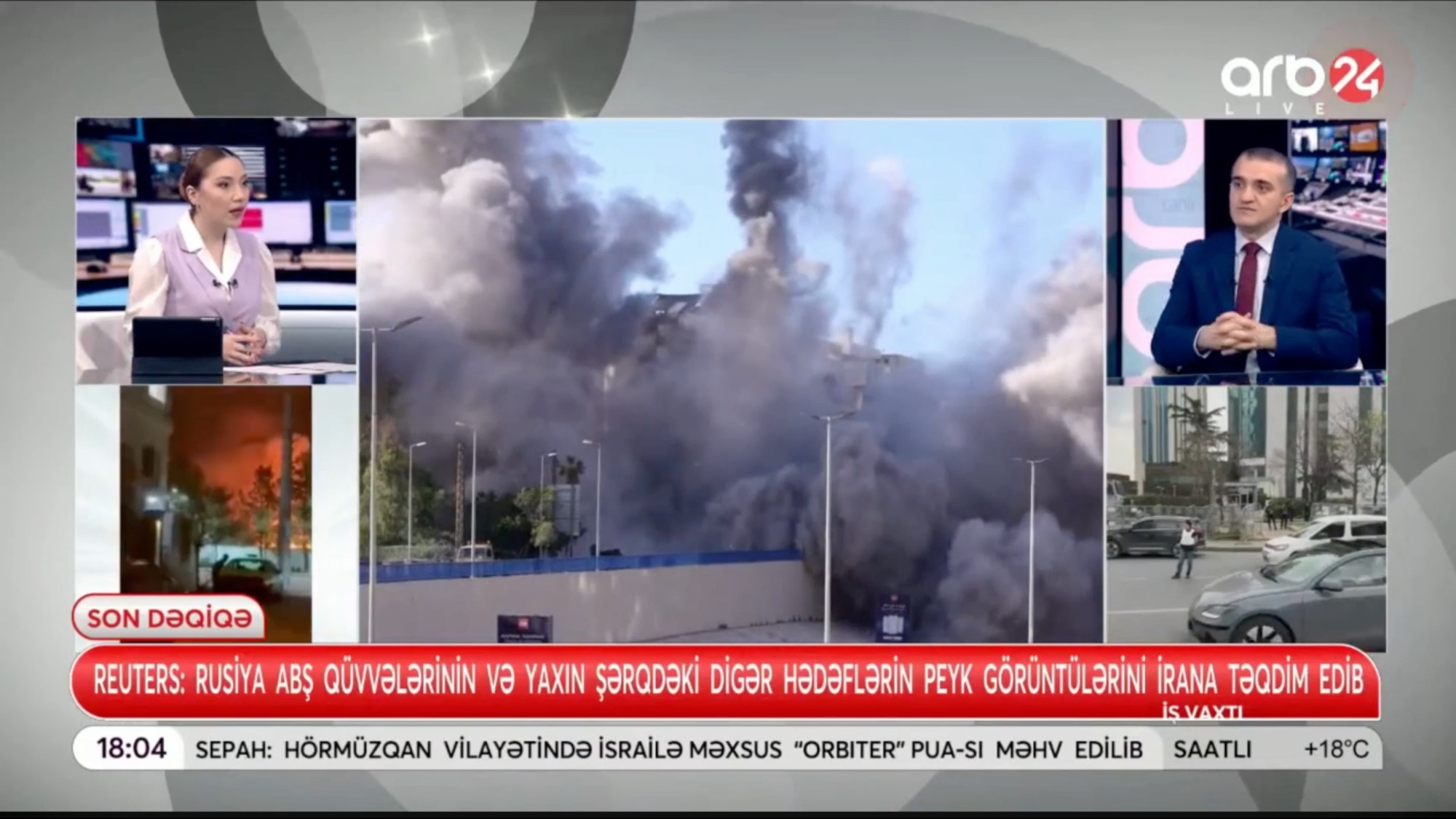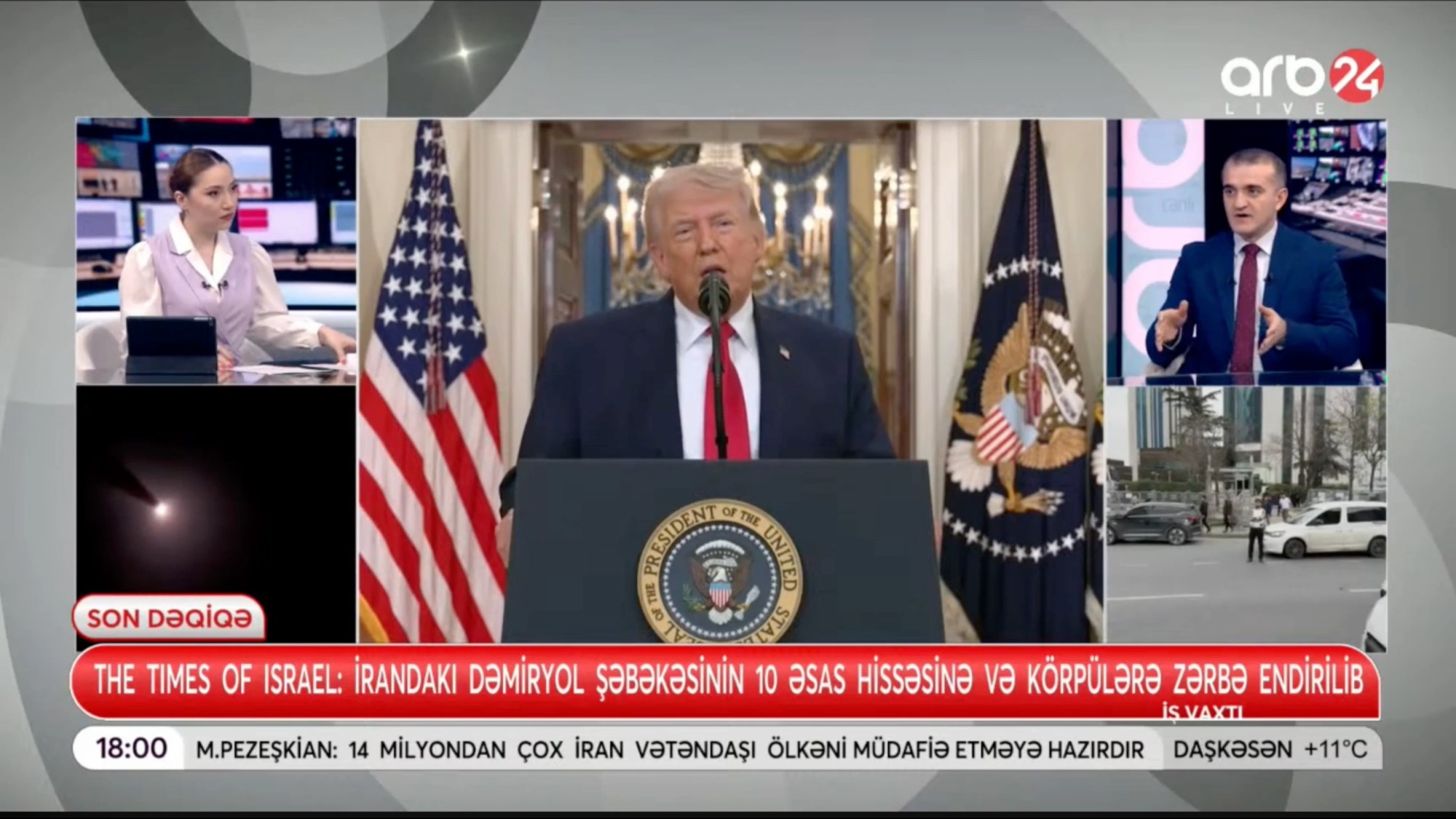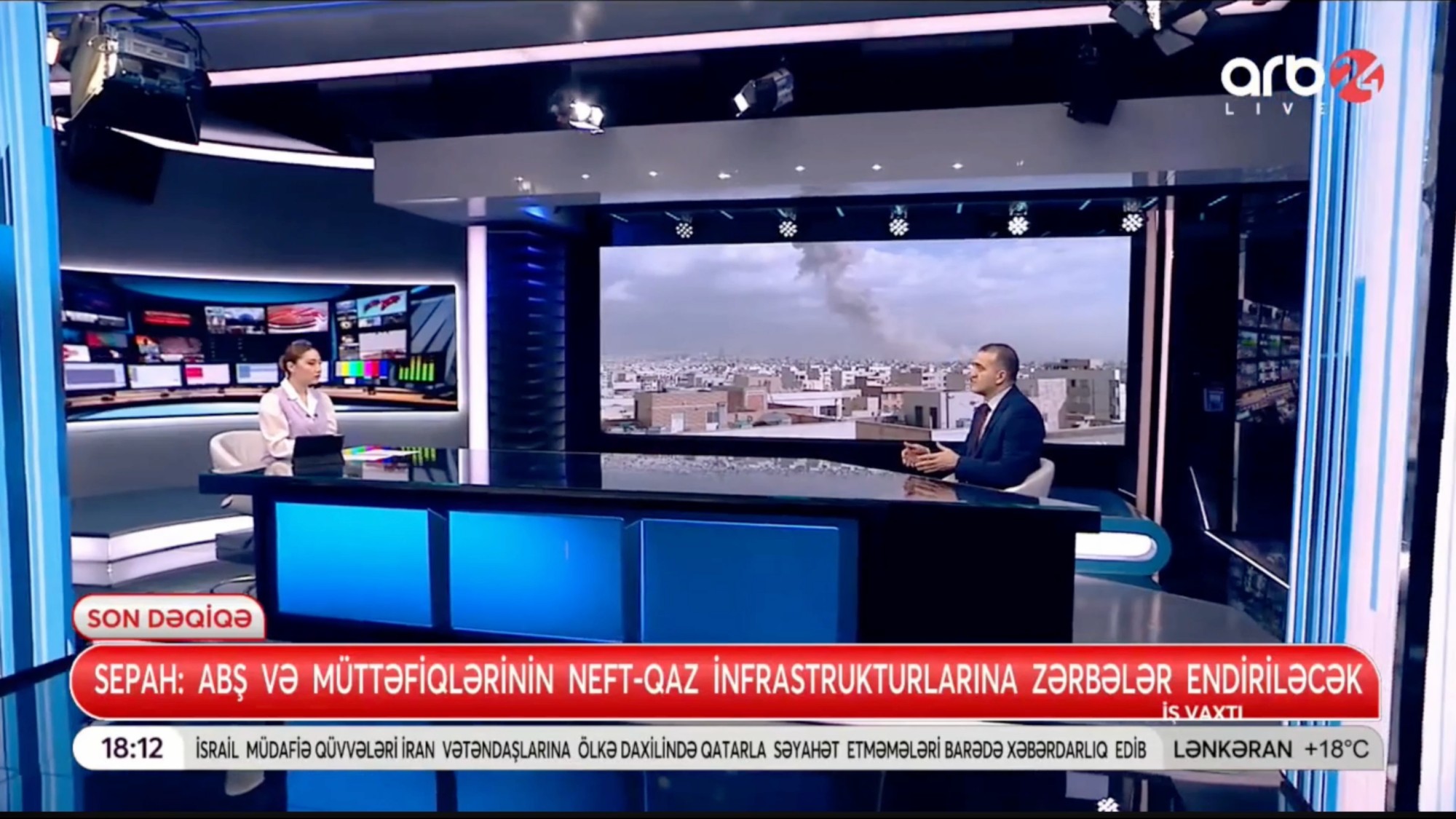
Amid ongoing military operations by the United States and Israel against Iran, tensions in the region continue to escalate. On the day the deadline given to Iran expired, U.S. President Donald Trump shared a strong message on Truth Social, drawing renewed international attention to the crisis. Reports indicate that airstrikes have targeted oil facilities on Kharg Island, as well as key infrastructure inside Iran, including bridges, railways, and highways. Iran’s retaliatory strikes on energy and industrial facilities in the Gulf region have further expanded the scope of the confrontation.
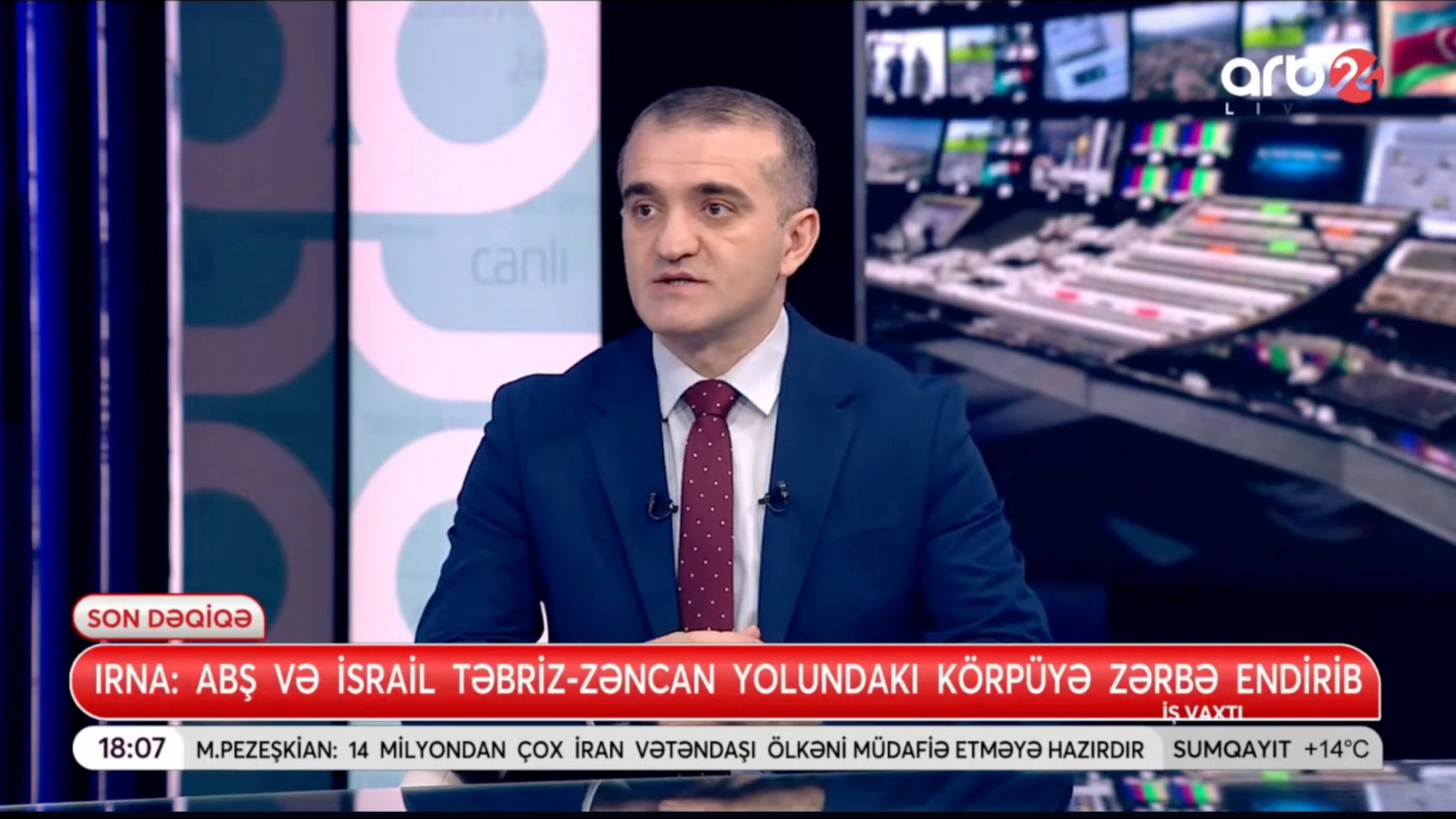
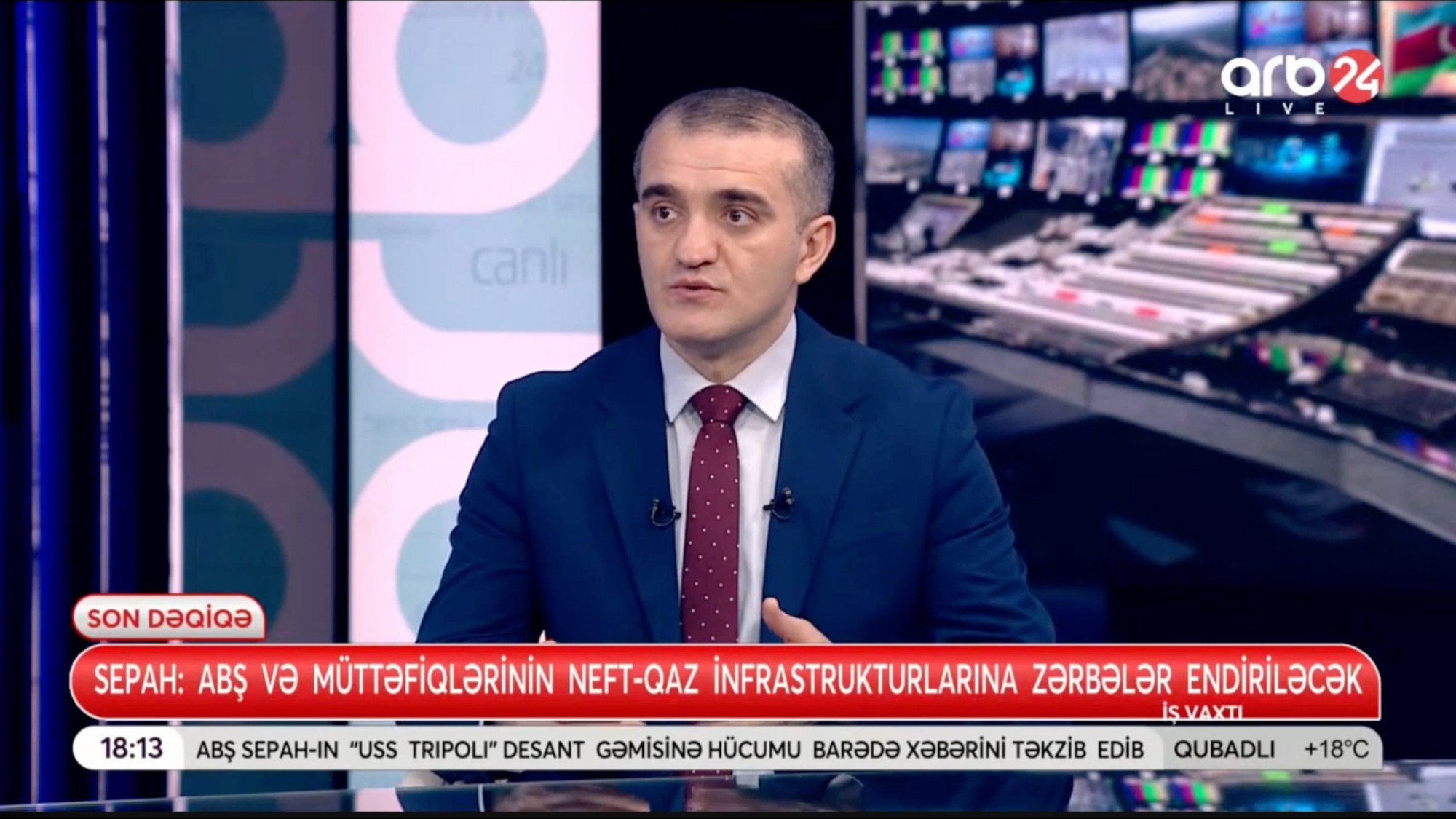
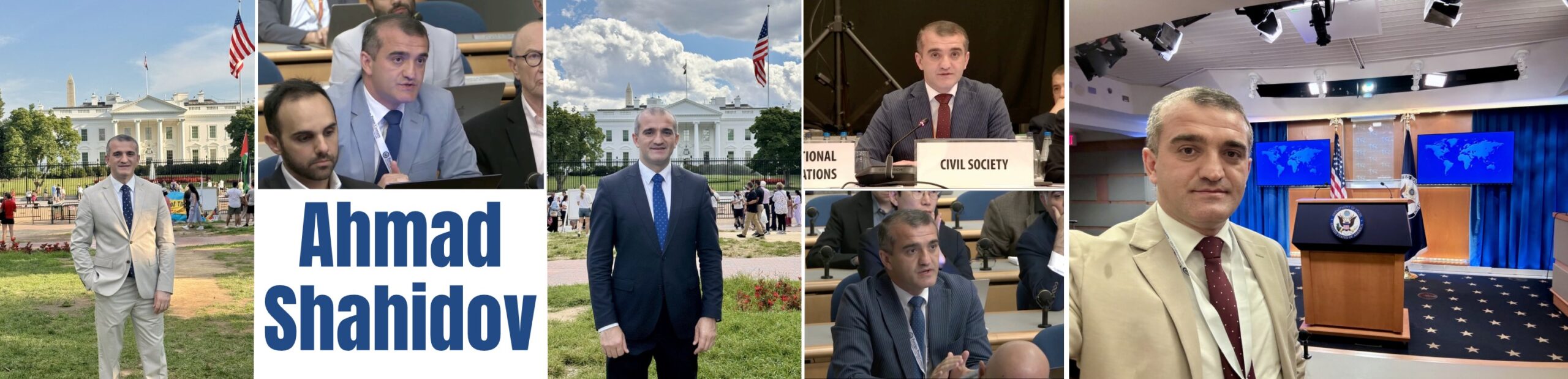
Political analyst Ahmad Shahidov stated in his interview with ARB24 television that reaching an agreement between the U.S. and Iran currently appears unlikely. According to him, Tehran is not willing to compromise and has put forward a 10-point counterproposal to Washington’s terms, which falls outside what can realistically be accepted. These demands include lifting sanctions, recognition of Iran’s rights over the Strait of Hormuz, the return of frozen assets, and firm security guarantees. However, under current geopolitical conditions, these demands are not seen as acceptable, leaving negotiations effectively stalled.
Ahmad Shahidov also noted that the systematic targeting of strategic infrastructure inside Iran may indicate preparation for broader operations. He emphasized that discussions among some Western experts about the possible use of tactical nuclear weapons are notable and can be viewed primarily as a tool of pressure: “Such messaging is intended to push Iran’s leadership toward more pragmatic decisions. The current situation suggests that Iran will have to make certain concessions.” He added that the evolving situation is shaping new realities in the region and compelling all sides to reassess their strategies.