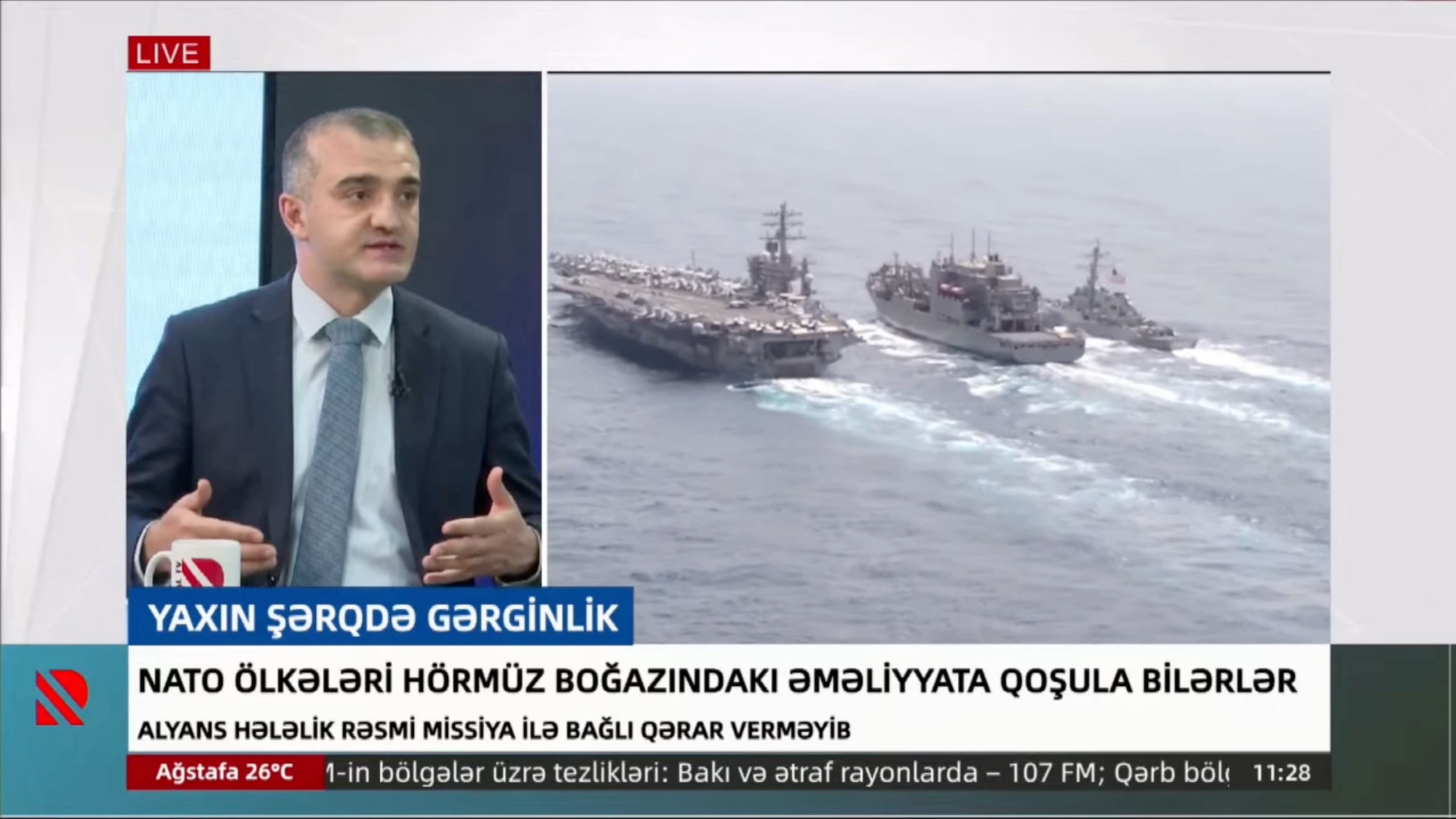
The ongoing tensions in the Strait of Hormuz remain one of the key issues on the international security agenda. Recent statements by NATO Military Committee Chairman Giuseppe Cavo Dragone regarding the deployment of alliance member states’ forces closer to the region have increased speculation that the Middle East crisis could enter a more complex phase. Developments in the Strait of Hormuz, a vital route for global energy supplies, continue to carry significant political and economic implications.
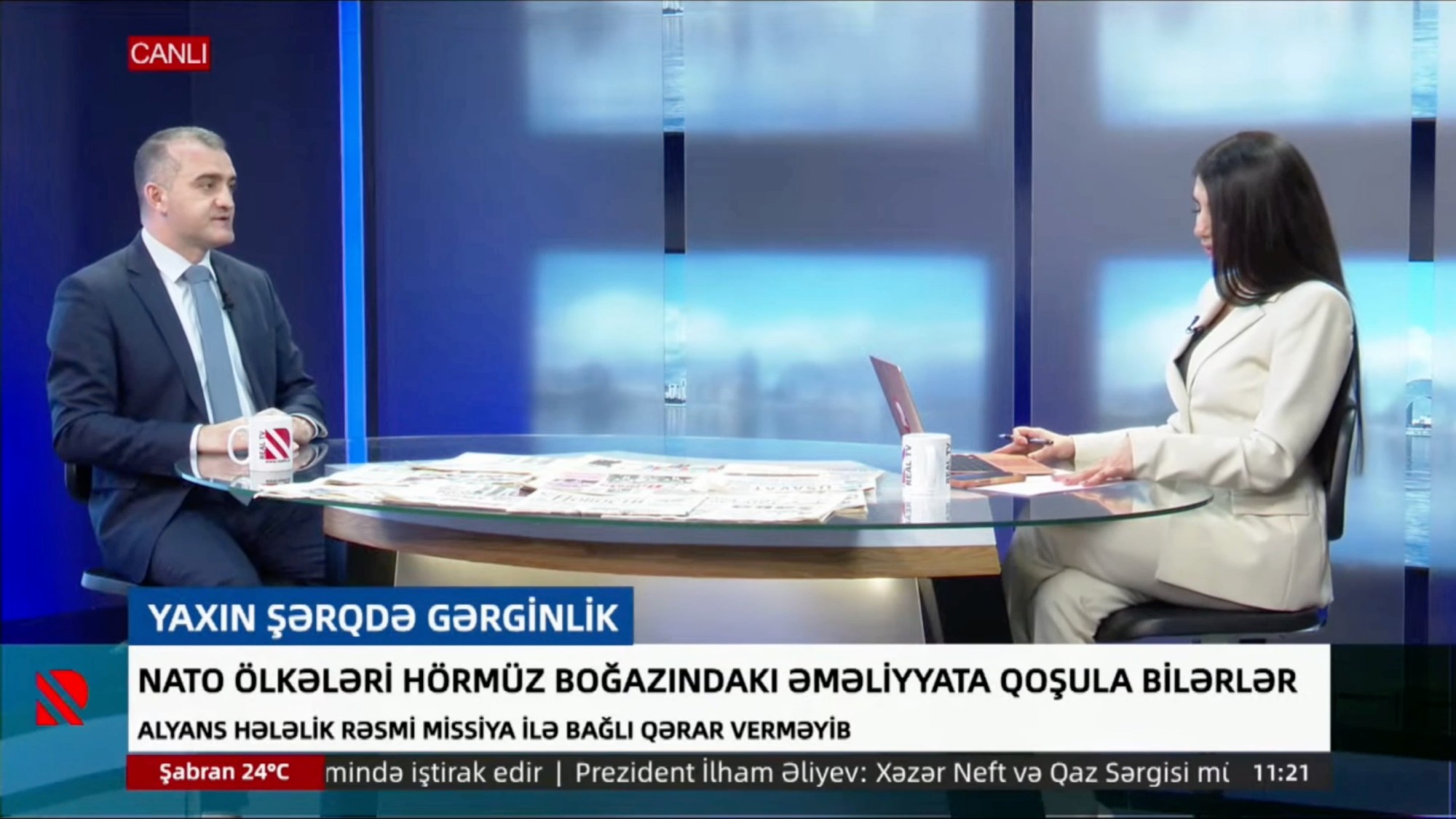
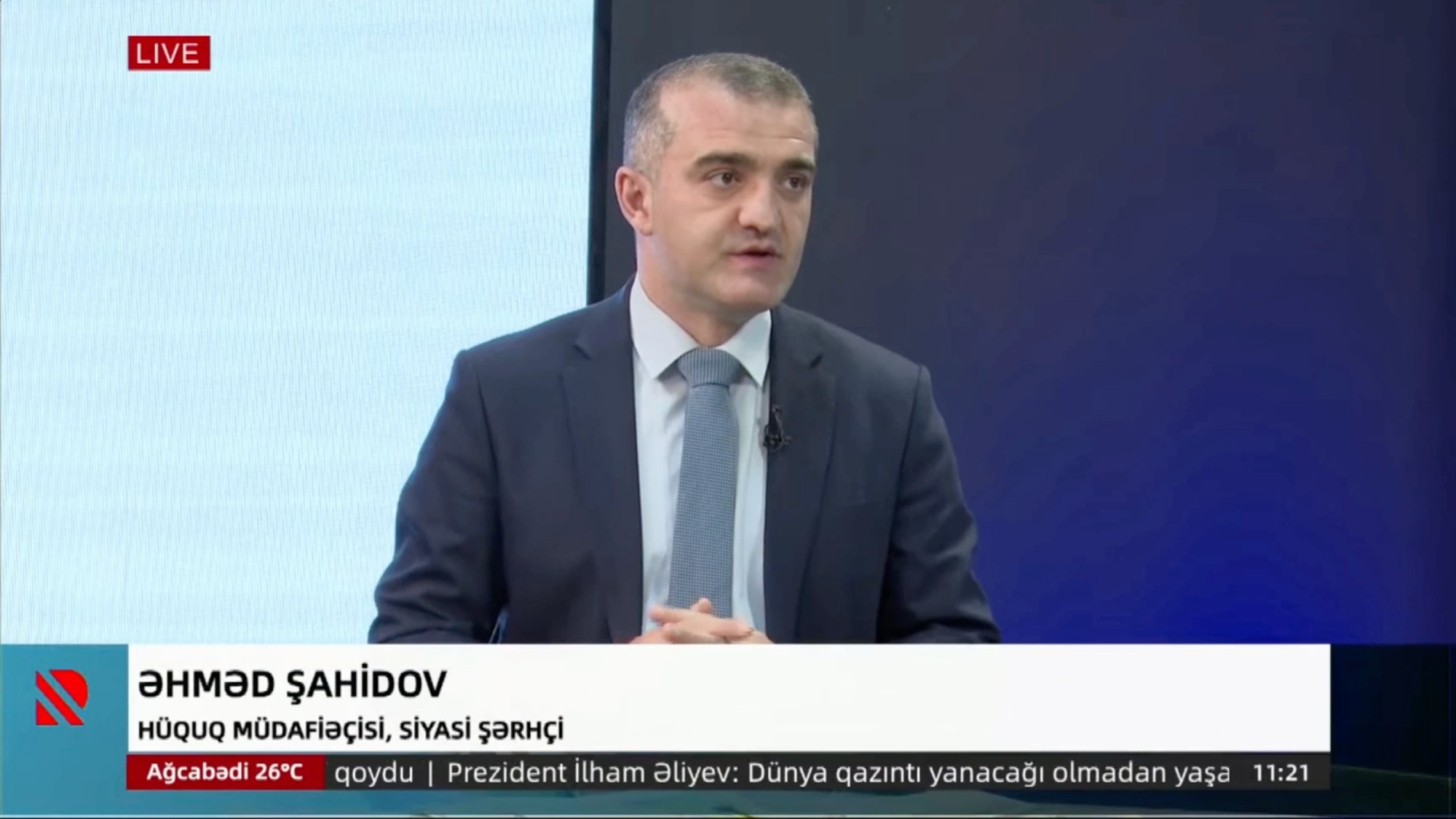
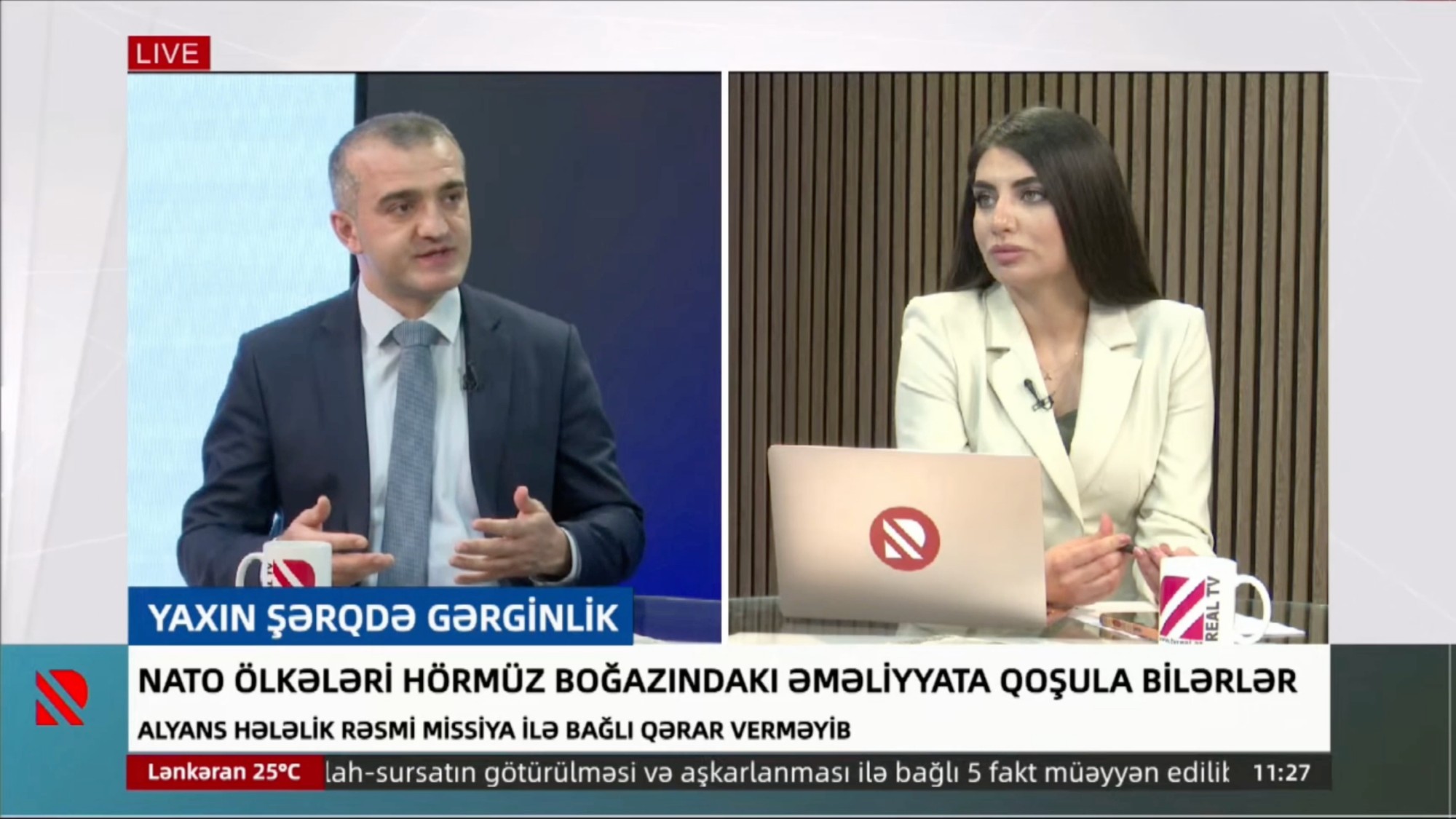
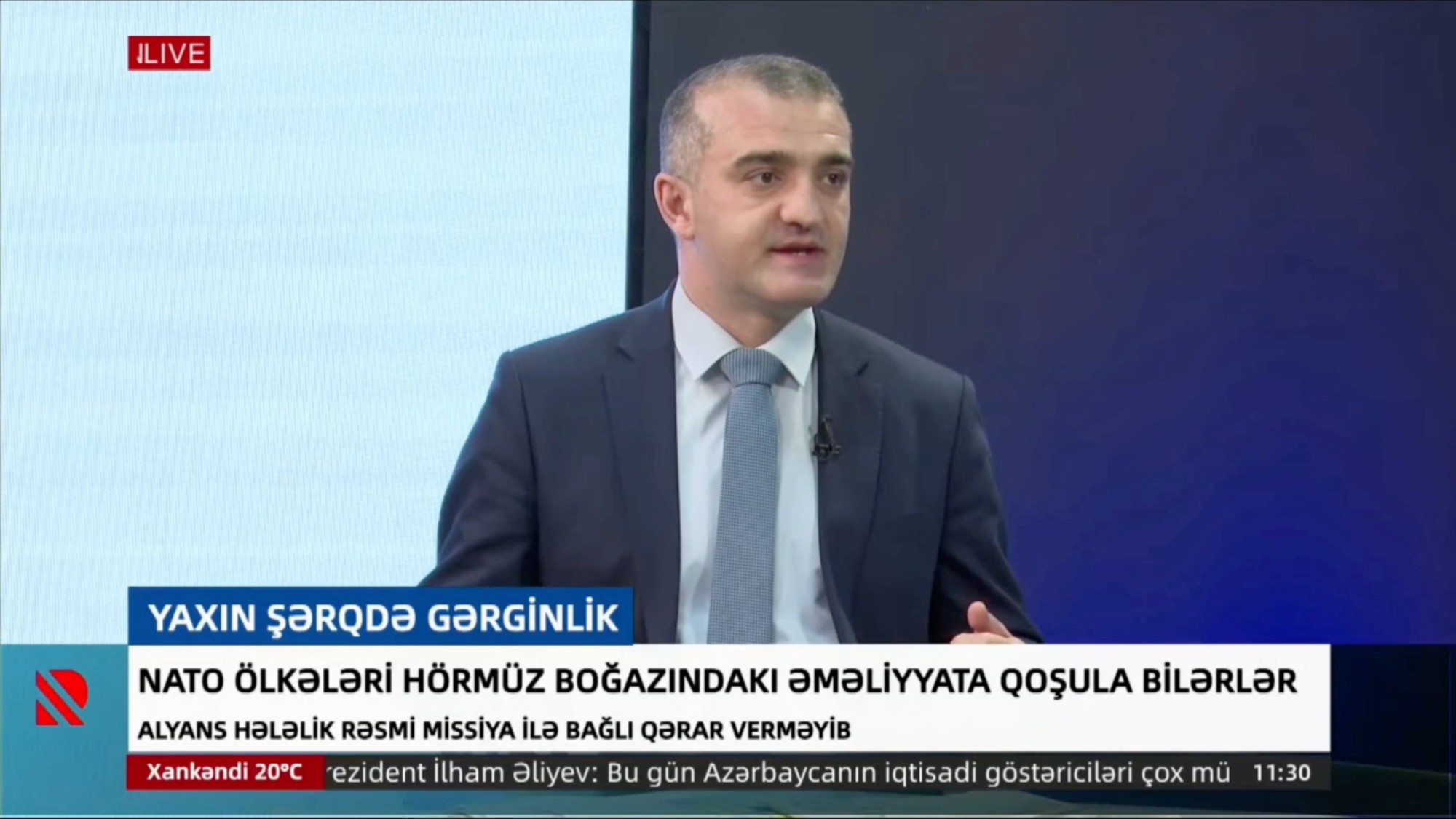
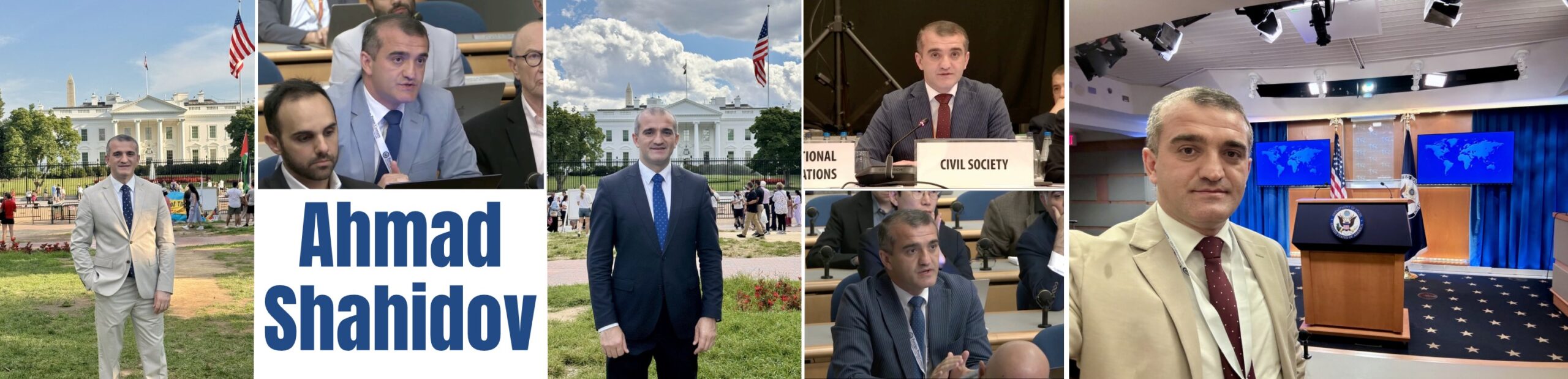
Speaking on Real Television, political analyst Ahmad Shahidov stated that growing concerns over energy security are among the main reasons NATO member states are paying closer attention to the region: “At the beginning of the conflict, Western countries were reluctant to become directly involved. However, the situation in the Strait of Hormuz has begun to affect global energy markets. If the strait remains closed for an extended period or international maritime transportation faces serious disruptions, new military operations could become a realistic possibility. The security of energy routes is a strategic priority for Western countries.”
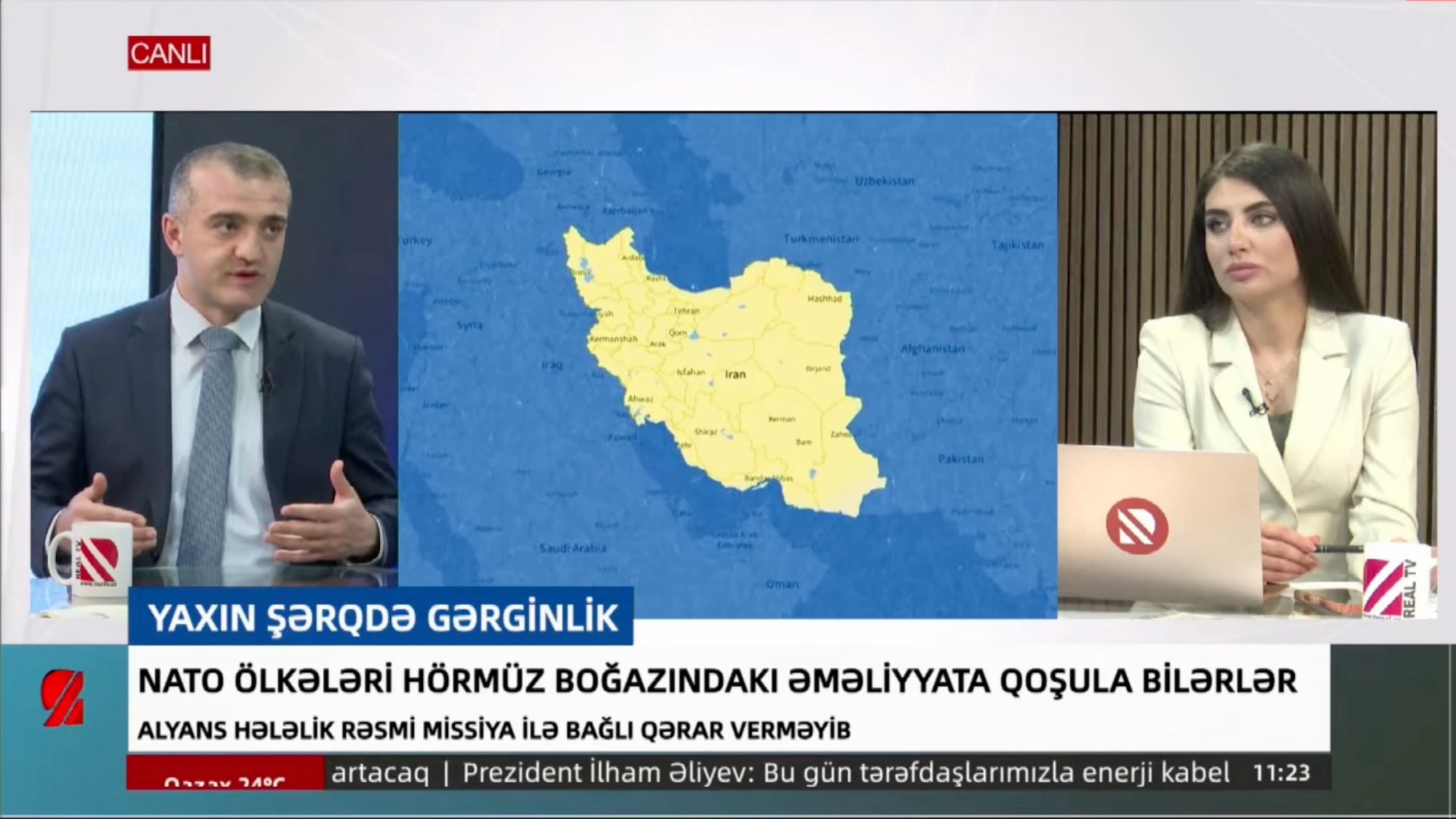
According to Ahmad Shahidov, Iran has recently made substantial progress in strengthening its military capabilities, particularly its air defense systems: “The reported downing of a U.S. F-15 fighter aircraft over Iranian airspace indicates that Tehran has begun employing more advanced technologies. Assessments pointing to the use of modern Chinese-made air defense systems have also attracted attention. This suggests that the interests of major powers are becoming increasingly visible in the ongoing developments surrounding Iran and that the scope of the conflict could expand further.”
Ahmad Shahidov added that while diplomatic contacts are continuing, military scenarios remain under consideration: “Negotiations between the United States and Iran are ongoing with Pakistan acting as a mediator. So far, the parties have not been able to reach common ground. Nevertheless, any provocation or direct confrontation could rapidly alter the situation. As a result, diplomatic efforts and military contingency planning are continuing simultaneously.”