Twenty-five years have passed since the terrorist attacks in the United States on September 11, 2001. Thousands of people were killed in the attacks in New York and Washington. The events brought significant changes to both U.S. domestic and foreign policy, while the fight against terrorism became one of the central priorities of Washington’s national security strategy.
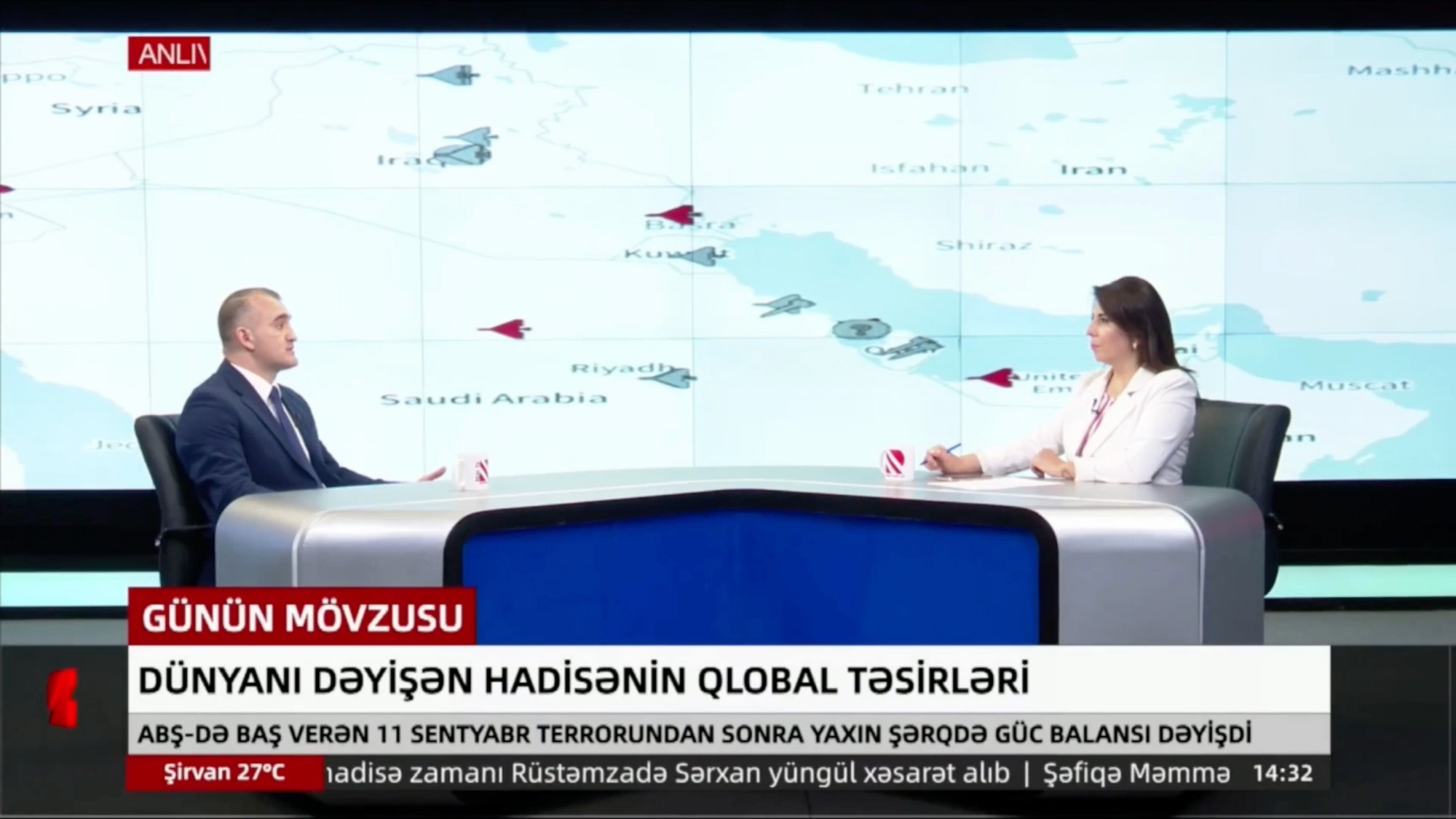
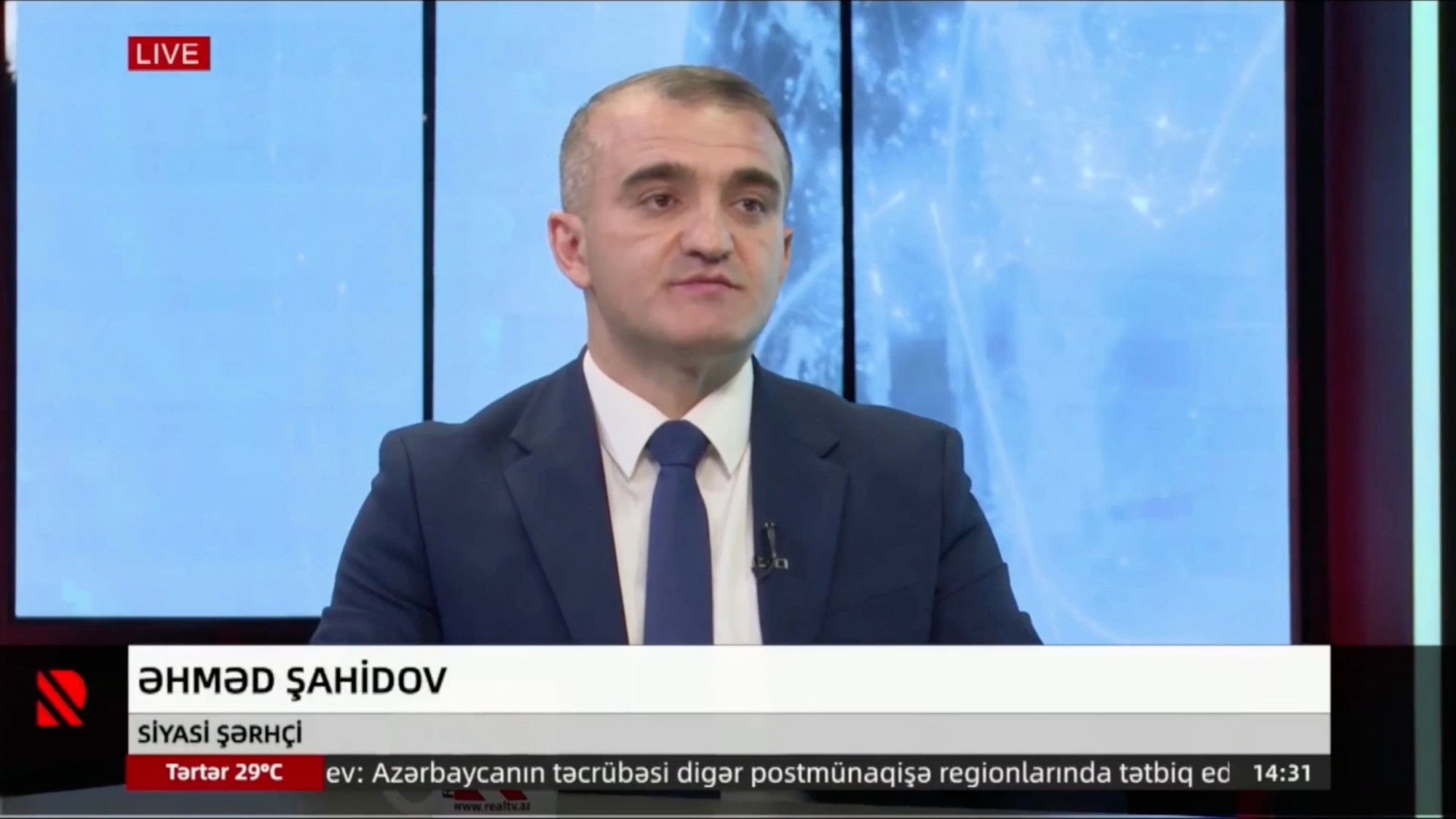
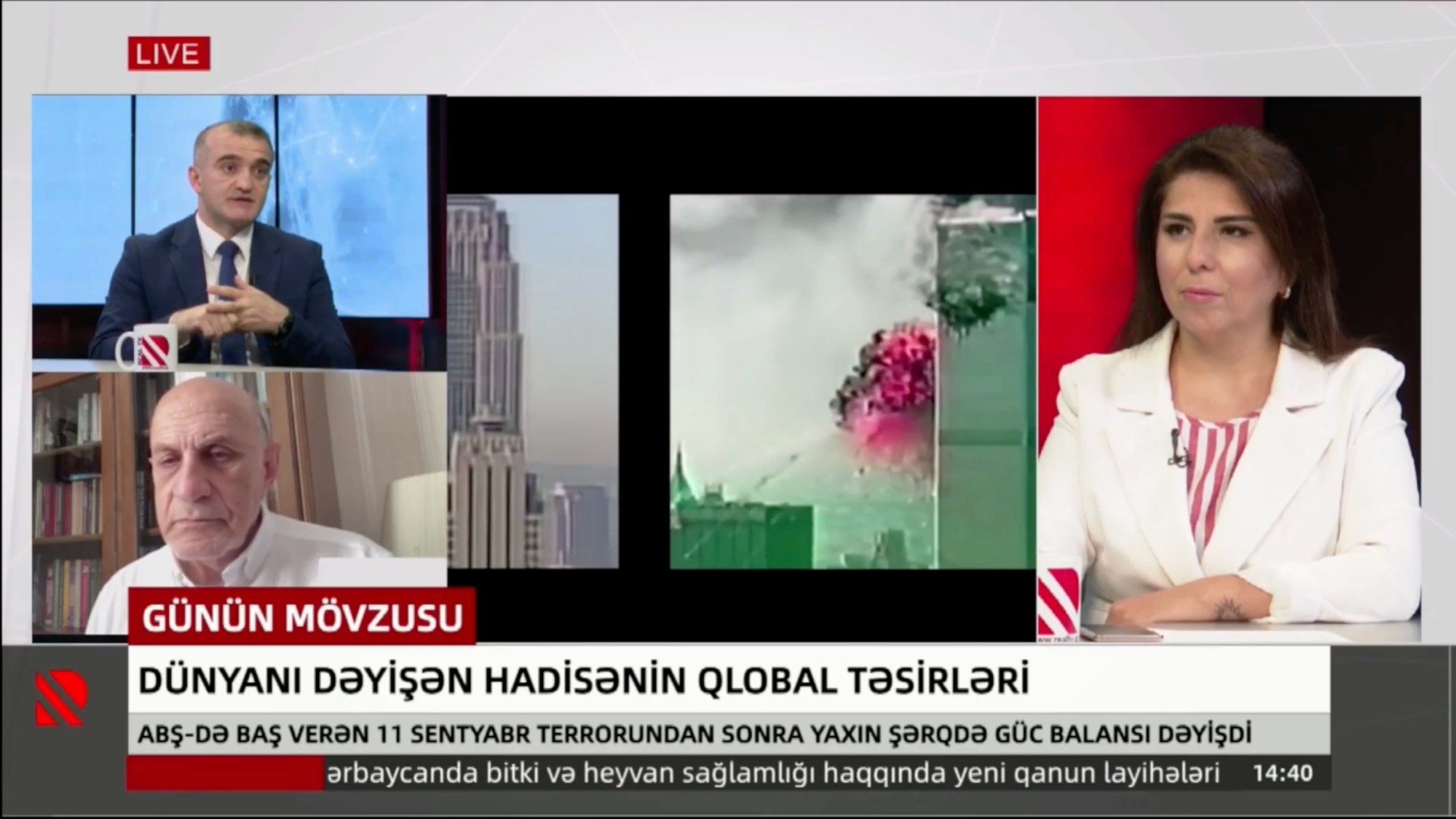
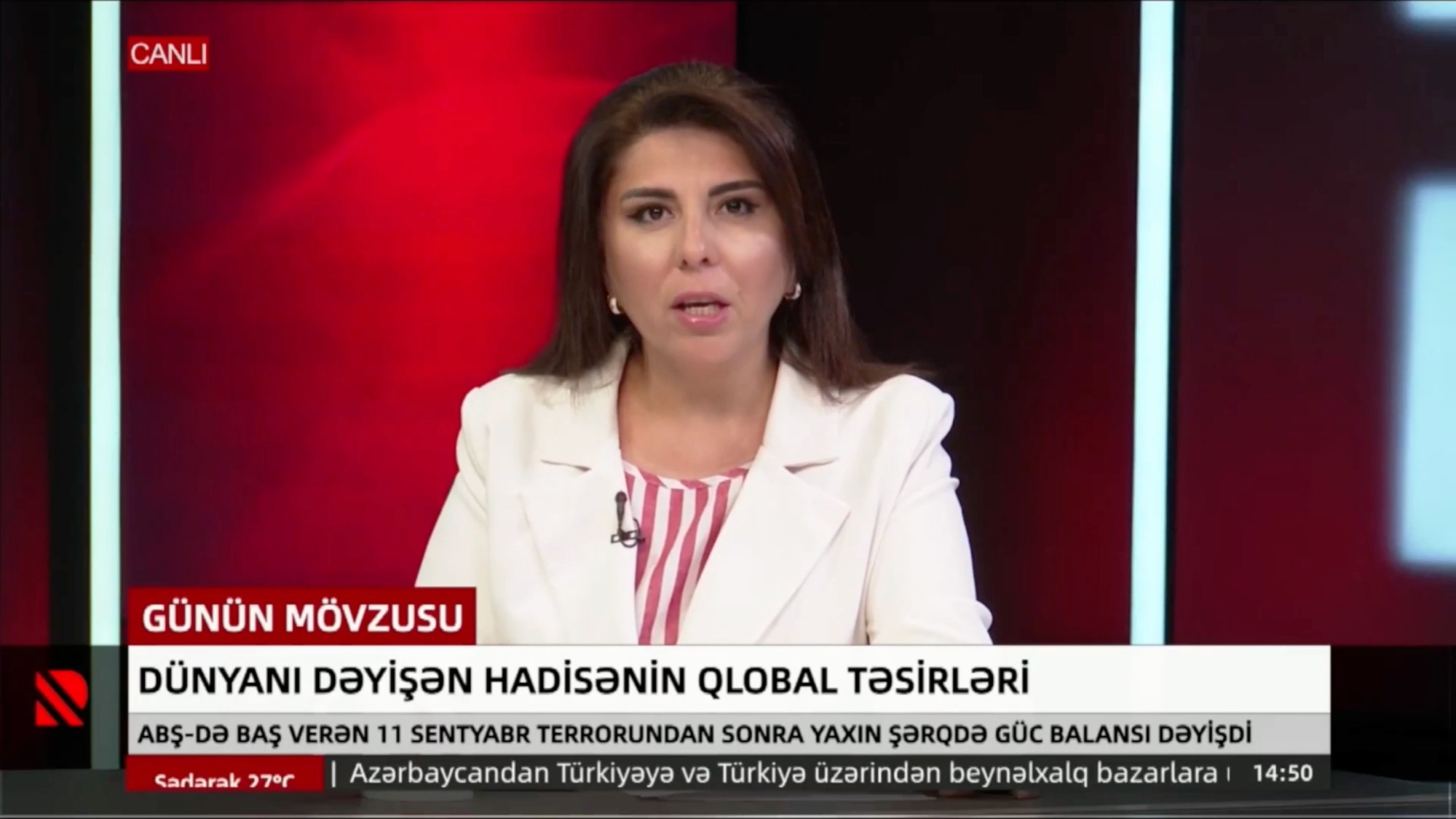
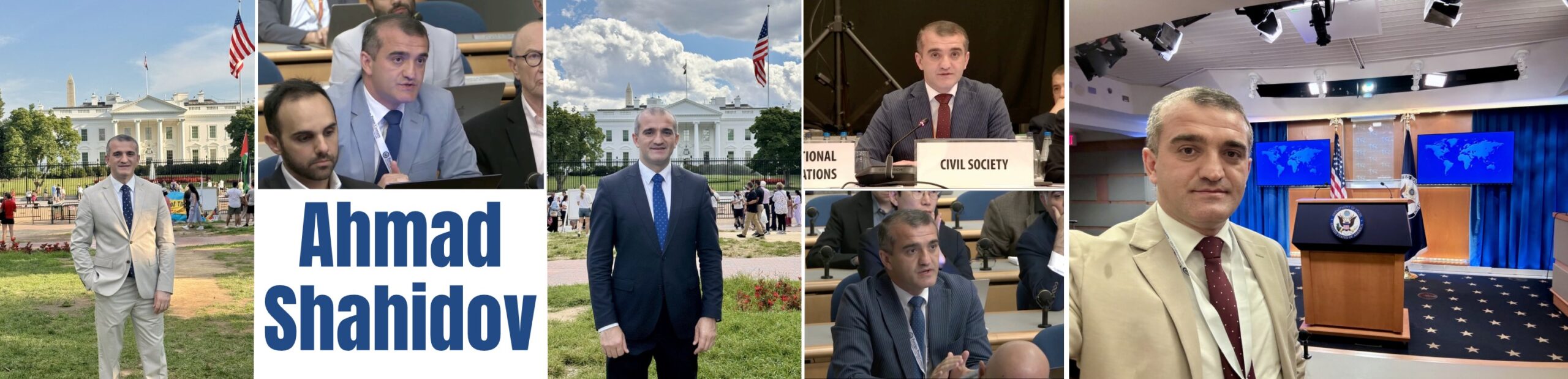
Real TV hosted a discussion marking the anniversary of the September 11 terrorist attacks. Political commentator Ahmad Shahidov participated in the discussion from the studio, sharing his views on the subject, while political scientist Fikret Sadikov joined the program via live video link.
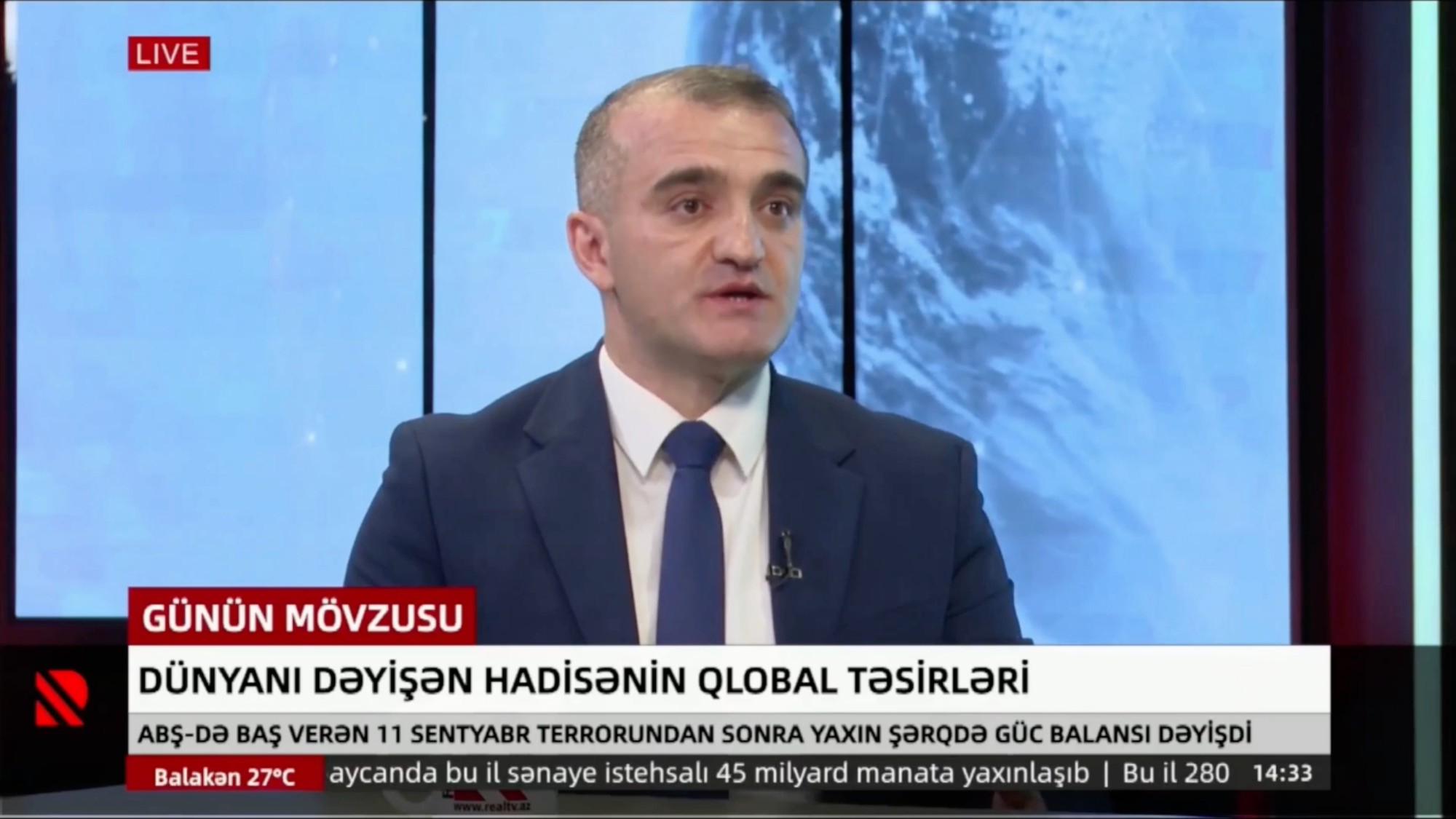
Ahmad Shahidov said that the United States before and after September 11 can effectively be viewed as two completely different countries. According to him, following the terrorist attacks, Washington began paying much greater attention to its national interests, national security, and, above all, the personal safety of ordinary Americans. Although the United States conducted long-term counterterrorism campaigns in countries such as Afghanistan, Iraq and Syria, it was unable to completely eliminate the roots of international terrorism. Shahidov pointed to the return of the Taliban to power in Afghanistan despite the long fight against the group, as well as the continuing struggle against ISIS and other terrorist organizations in Iraq and Syria, as examples of this reality.
Ahmad Shahidov also highlighted the rise of Islamophobia in the United States following September 11. At the same time, he noted that 25 years later, a significant paradox has emerged: while negative attitudes and discrimination against Muslims remain subjects of debate, the participation of Muslim Americans in the country’s political and social life continues to grow. According to Shahidov, Muslim candidates have also been gaining greater political visibility and support in elections in recent years. In this regard, the anniversary of September 11 is important not only for remembering the terrorist attacks, but also for assessing the transformation of U.S. national security policy, its relations with the Muslim world, and the growing role of Muslim Americans in the country’s political and social life.